

Disclaimer

How to change spark plugs on a car – replacement tutorial
downloads:
1531
Views:
10050


How to change spark plugs on your car [AUTODOC TUTORIAL]
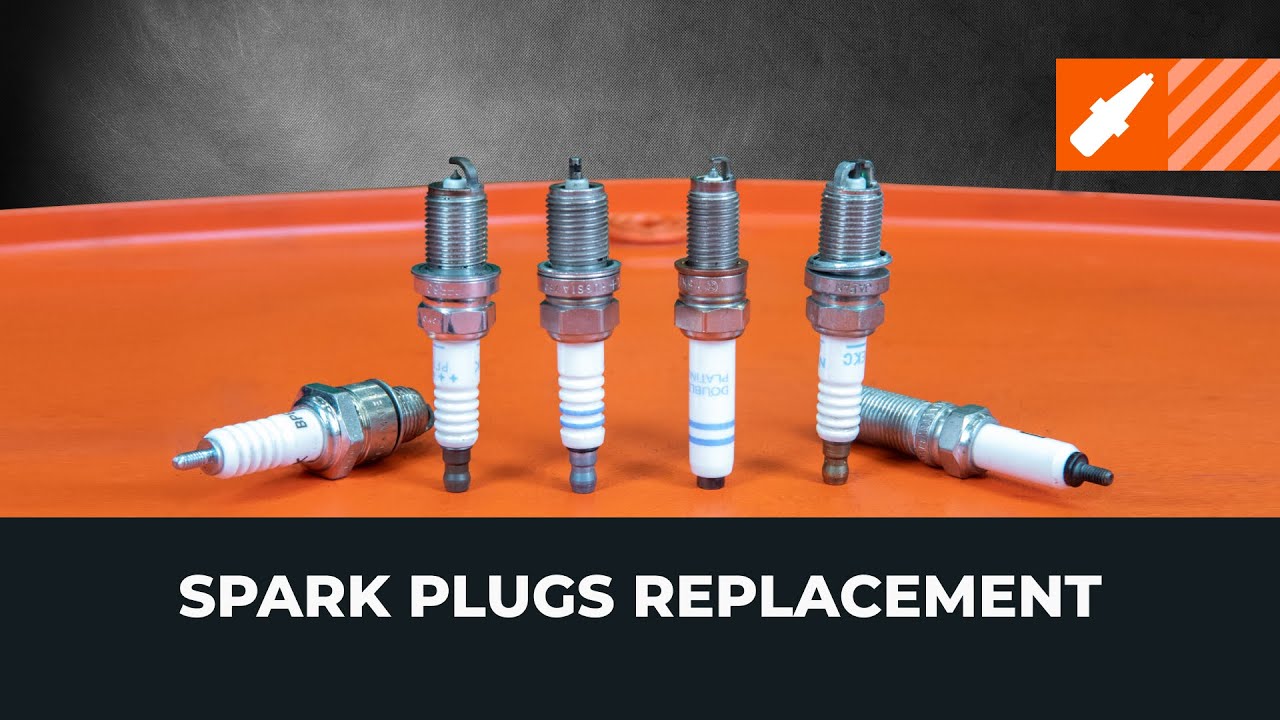

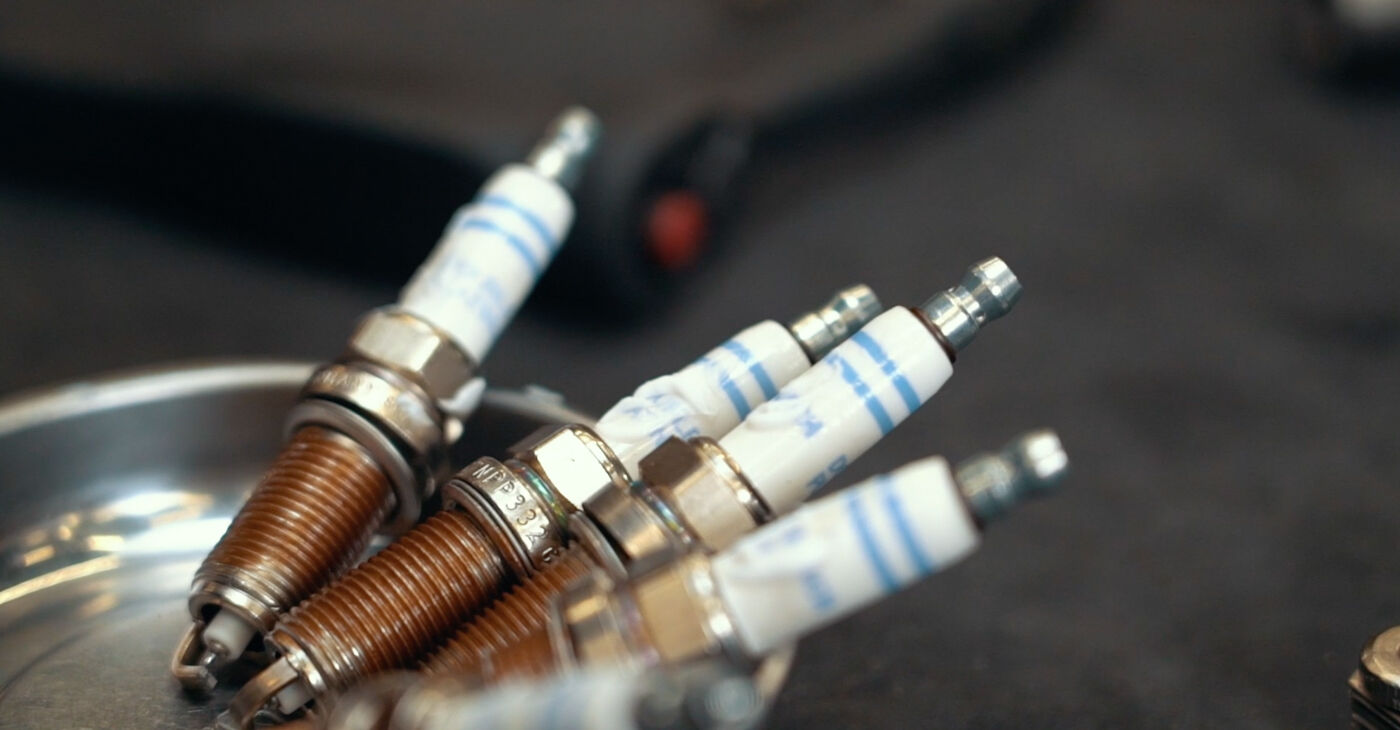
a set of new spark plugs
a ratchet wrench or other tool that makes replacement easier
a spark plug wrench or socket
a torque wrench
pliers for removing spark plug caps or ignition coils
a special tool or feeler gauge set to measure the gaps between the electrodes
high-temperature and dielectric greases

Please note!
- Nickel, platinum, and iridium plugs are the most common
- The symptoms of bad spark plugs include difficulty starting the engine, engine malfunctioning, and increased fuel consumption
- Typically, nickel versions have a service life of about 30,000 km; iridium ones up to 100,000 km
- All spark plugs must be changed, even if only one has failed
- They have roughly the same lifespan
- 1.
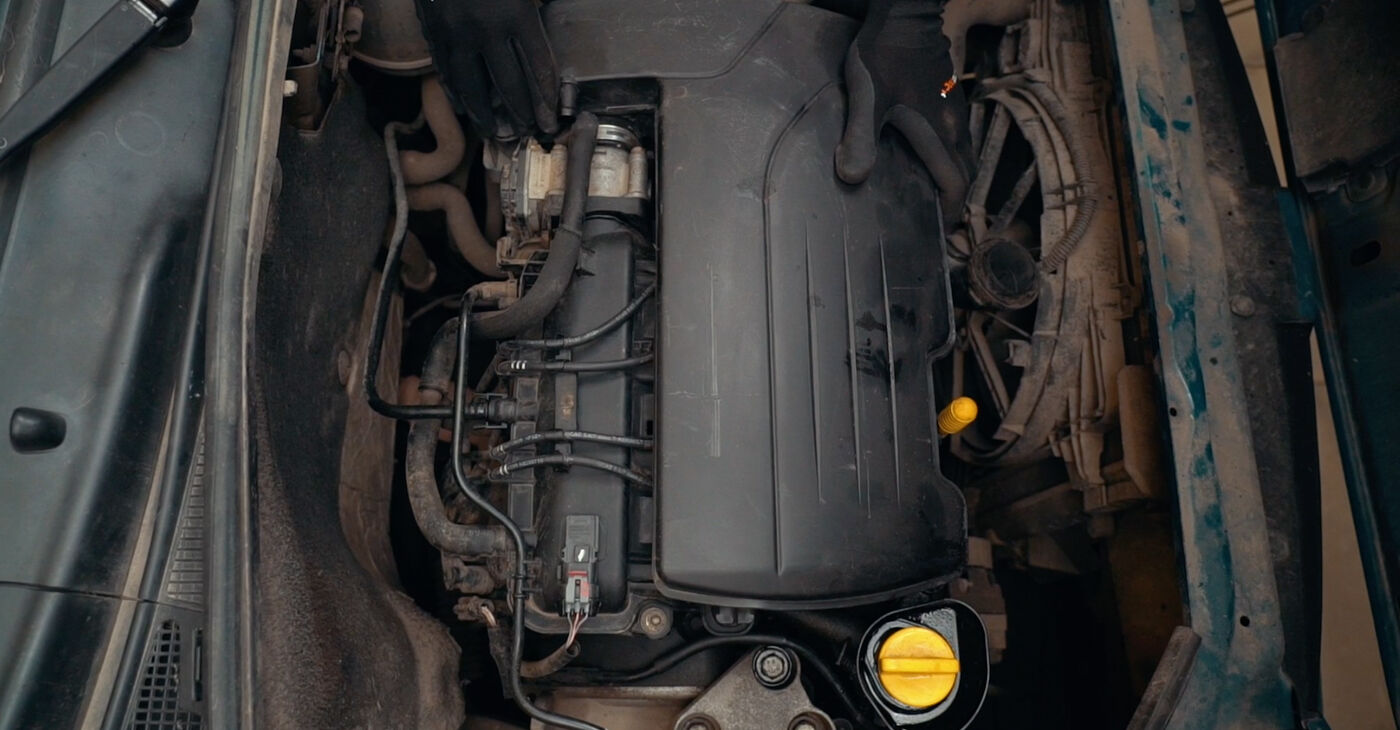
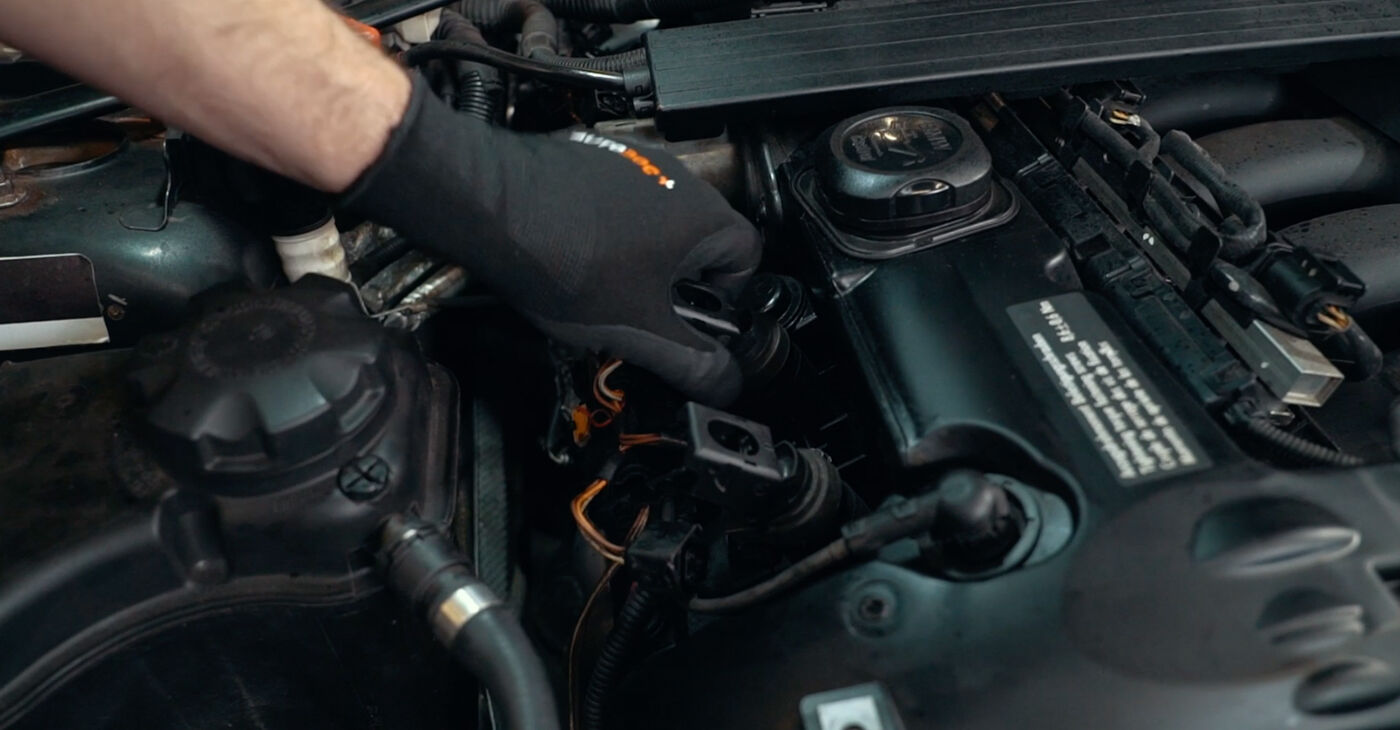
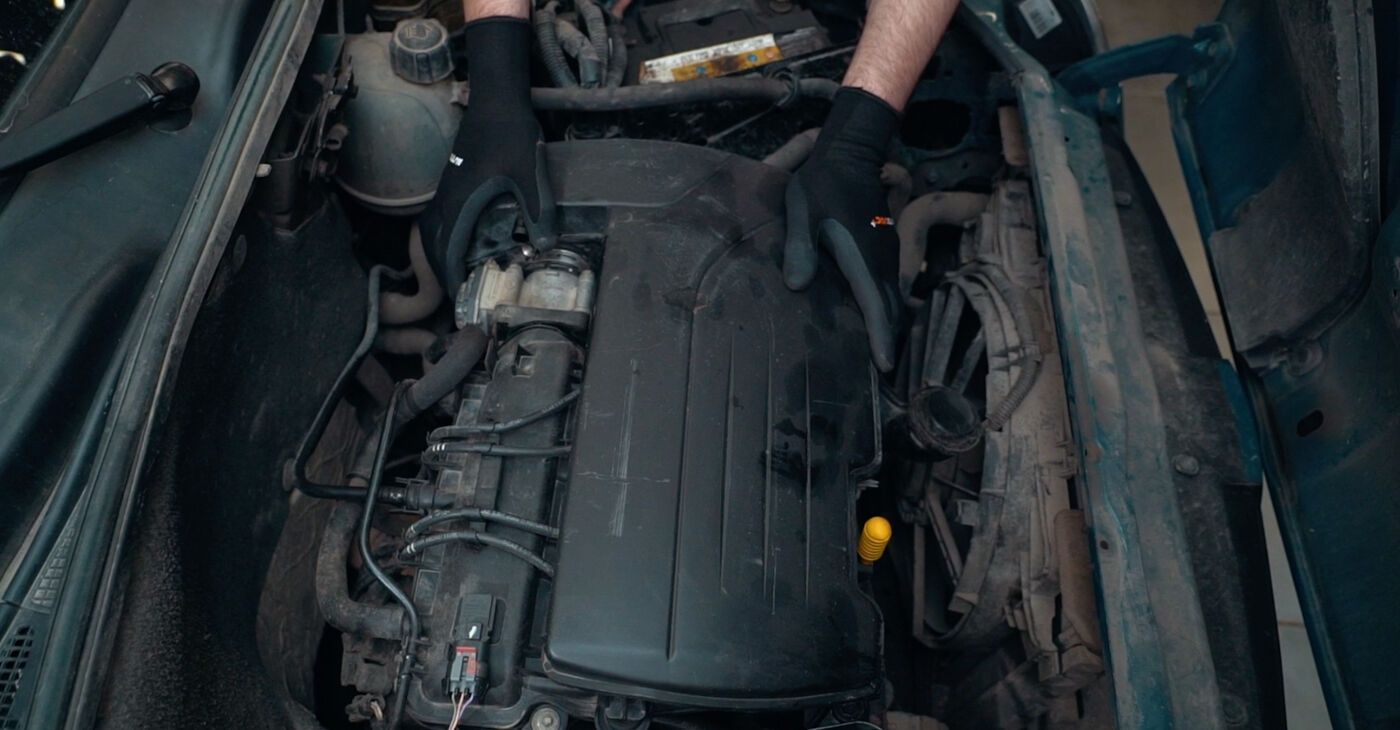 To access the spark plugs, it might be necessary to remove some parts under the bonnetImportant!The spark plugs are installed in the spark plug wells in the cylinder headThey can be located either on the side or on top of the cylinder head
 - 2.
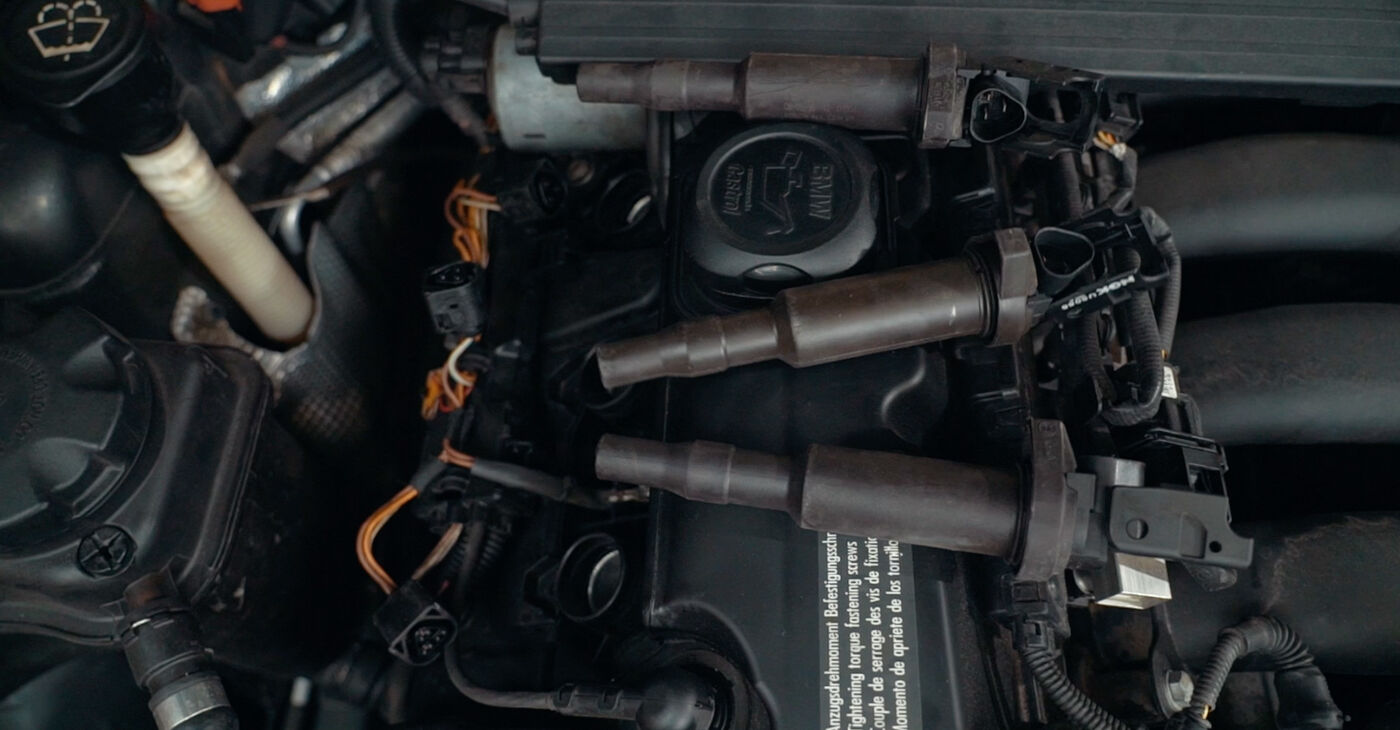
 Note the order in which the spark plug wires are connected and carefully remove the plug capsBe careful!Do not pull on the wires, as this could damage themUsually, spark plug caps snap easily into their mounting seatsThe length of the spark plug caps helps determine how deep the plugs are fitted in the wells
 - 3.
 To prevent dirt entering the engine, clean the spark plug wells thoroughly before installing the plugs
 - 4.
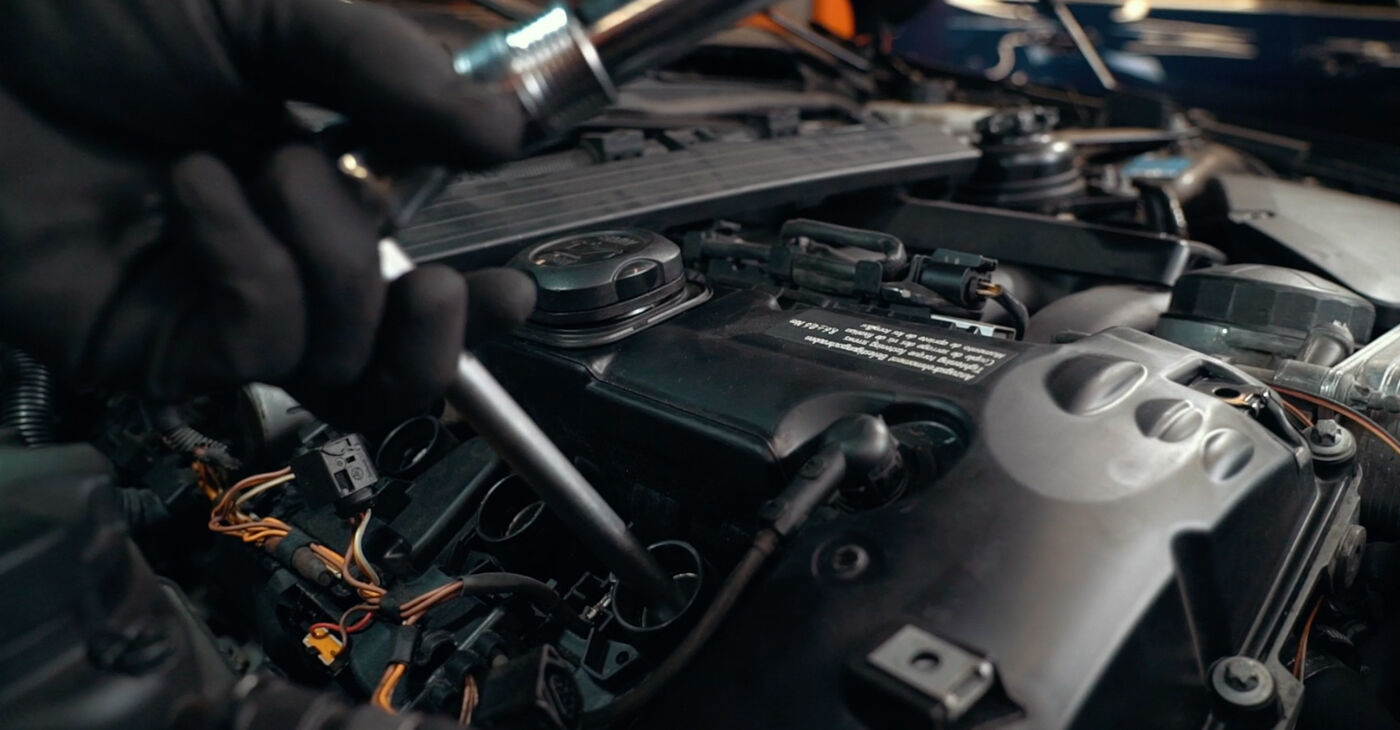
 Select a spark plug socket of the required size and lower it into the spark plug well
 - 5.
 Make sure the socket is securely attached to the spark plug and carefully unscrew the component
 - 6.
 Repeat the same steps with the other spark plugs
 - 7.
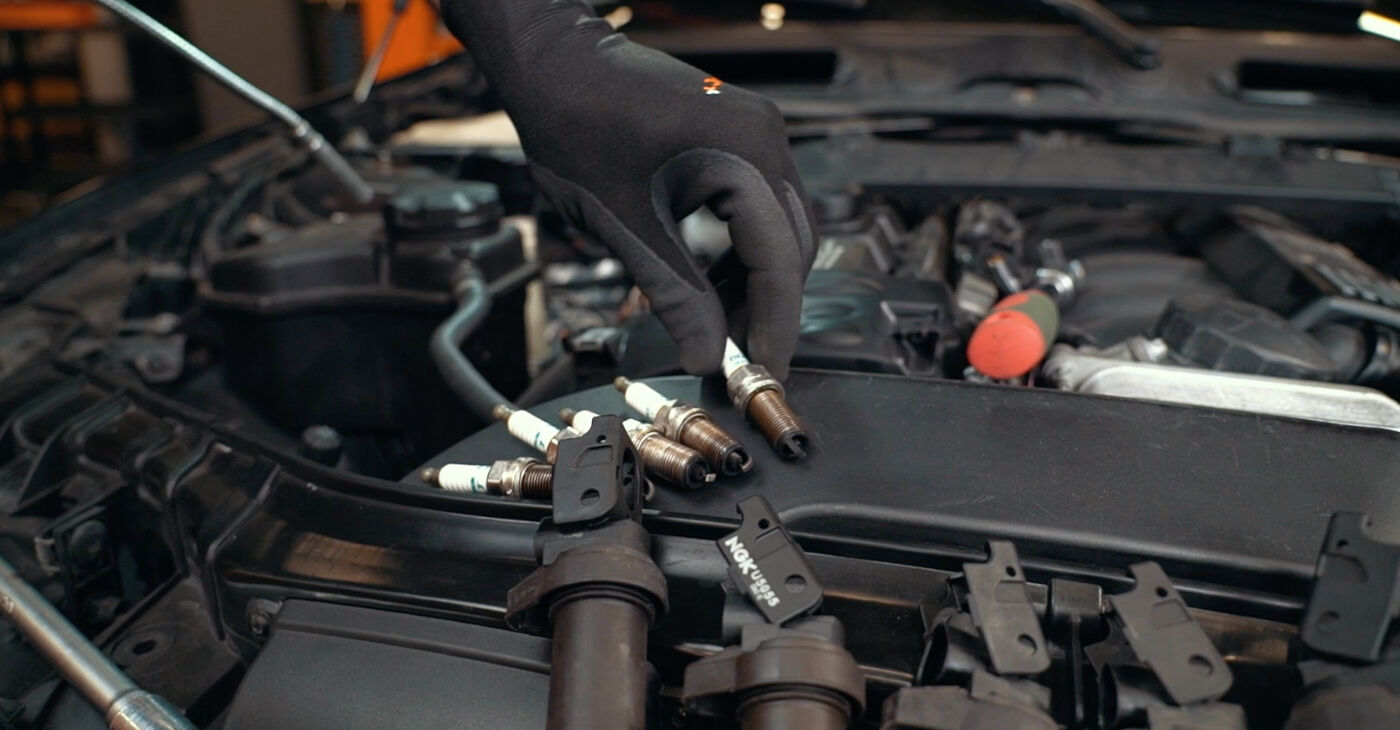
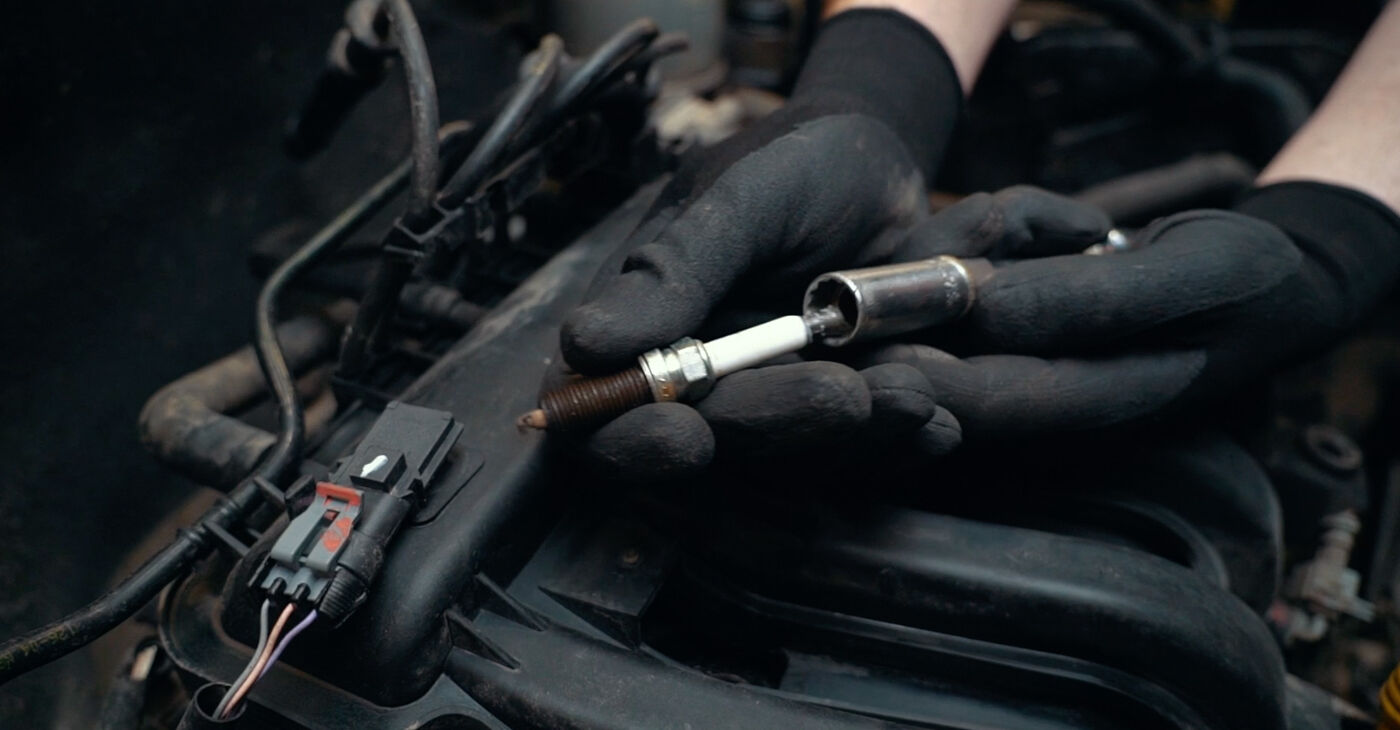 Remove the spark plugs from their wells. A special magnetic socket can be used for thisBe careful!Do not allow dirt to get in open spark plug wells
 - 8.
 Before installing a new spark plug, treat its threaded part with high-temperature grease
 - 9.
 Apply some dielectric grease to the ceramic insulator
 - 10.
 Secure the component in the spark plug socket and lower it carefully into the spark plug wellImportant!Place the plug carefully in the well, as the component may fail if knocked
 - 11.
 Carefully fit and lightly screw in all the spark plugs
 - 12.
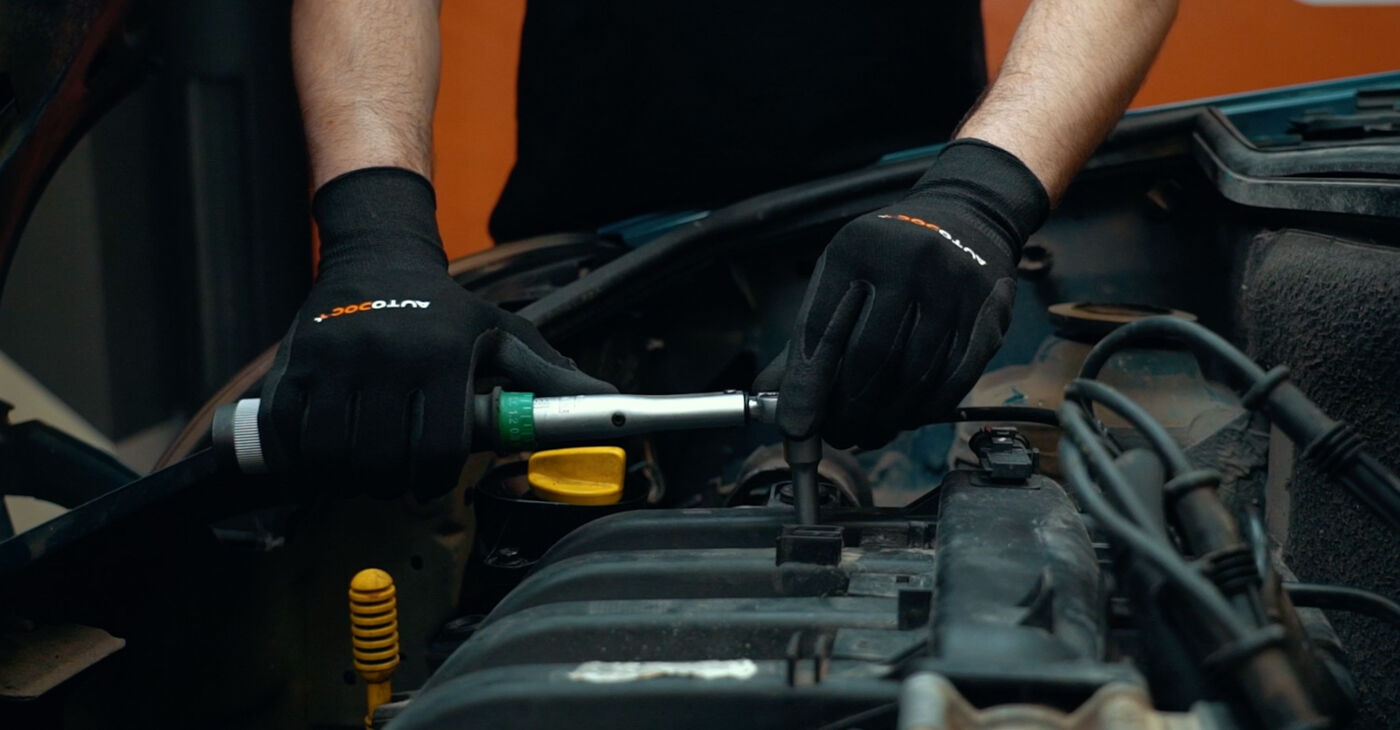 Tighten them with a torque wrench to the manufacturer's recommended torque
 - 13.
 Be sure to inspect the spark plug caps, high-voltage wires, ignition coils, and electric contactsPlease note!The type of deposit on the spark plug electrodes can help you determine whether the cylinders are working correctly
 - 14.
 Apply a small amount of dielectric grease to the inside walls of the spark plug caps
 - 15.
 Prevent dielectric grease getting on the electrodes to avoid ignition system malfunctions
 - 16.
 Install the spark plug caps, making sure they click into place in their mounting seats






Was this manual helpful?
Please rate this manual on a scale from 1 to 5. If you have any questions, feel free to ask us.
Users voted – 1

Unlock your car maintenance assistant!
Track expenses, manage logs, schedule replacements, and more.
Popular Engine maintenance tutorials
 Free download PDF
 1.51 MB
 Free download PDF1.62 MB
 Free download PDF1.98 MB
 Free download PDF1.65 MB
 Free download PDF1003.52 KB
 Free download PDF870.4 KB
 Free download PDF839.68 KB
 Free download PDF860.16 KB
 Free download PDF1 MB
Top auto repair manuals
 Free download PDF1.64 MB
 Free download PDF2 MB
 Free download PDF2.82 MB
 Free download PDF2.84 MB
 Free download PDF2.92 MB
 Free download PDF2.91 MB
 Free download PDF1.21 MB
 Free download PDF1.5 MB
 Free download PDF1.37 MB

























Time to replace parts? Get even better deals in our Shop app.

SCAN ME