
Disclaimer

How to change brake discs on a car – replacement tutorial
downloads:
2952
Views:
21763


How to change brake discs [AUTODOC TUTORIAL]
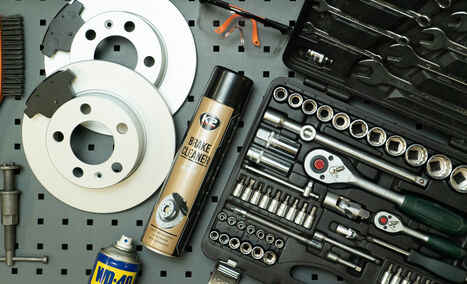
a set of new brake discs and pads
a set of suitable tools for removing wheels and brake system components
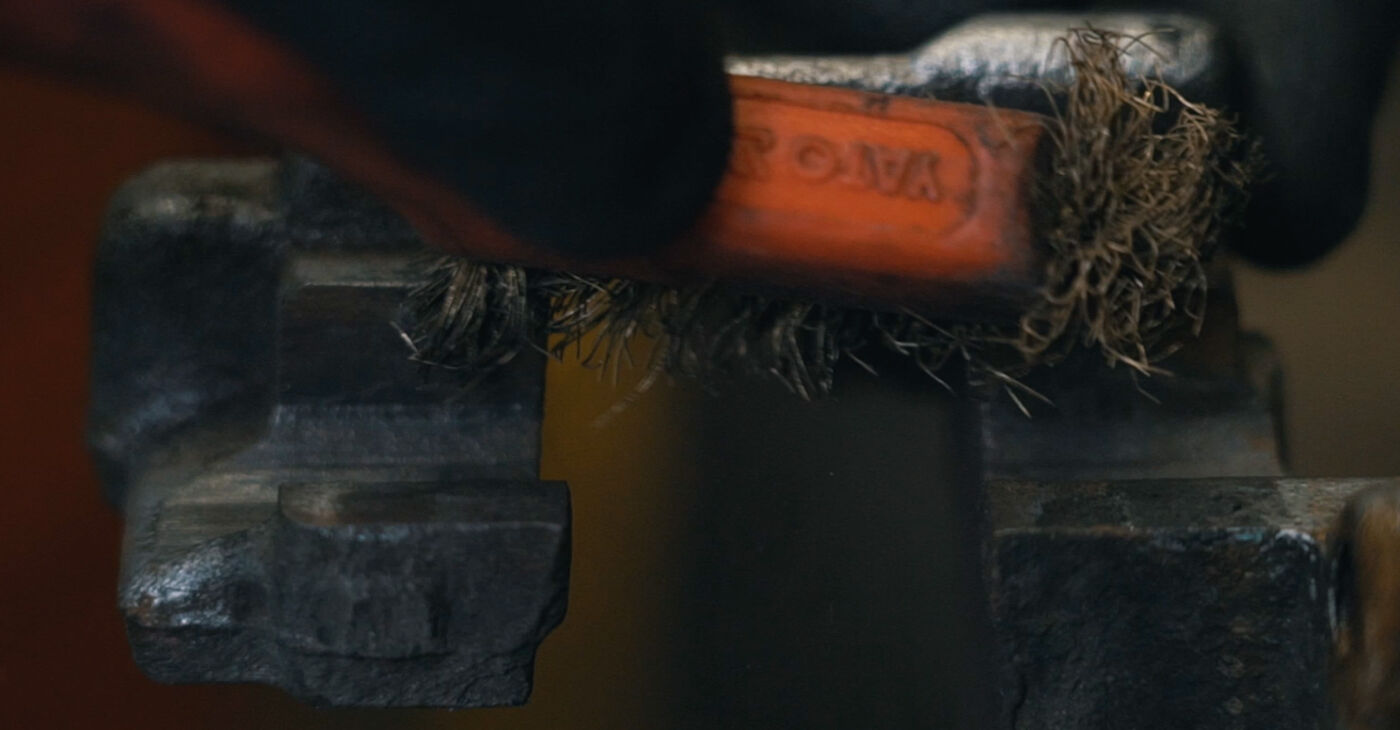
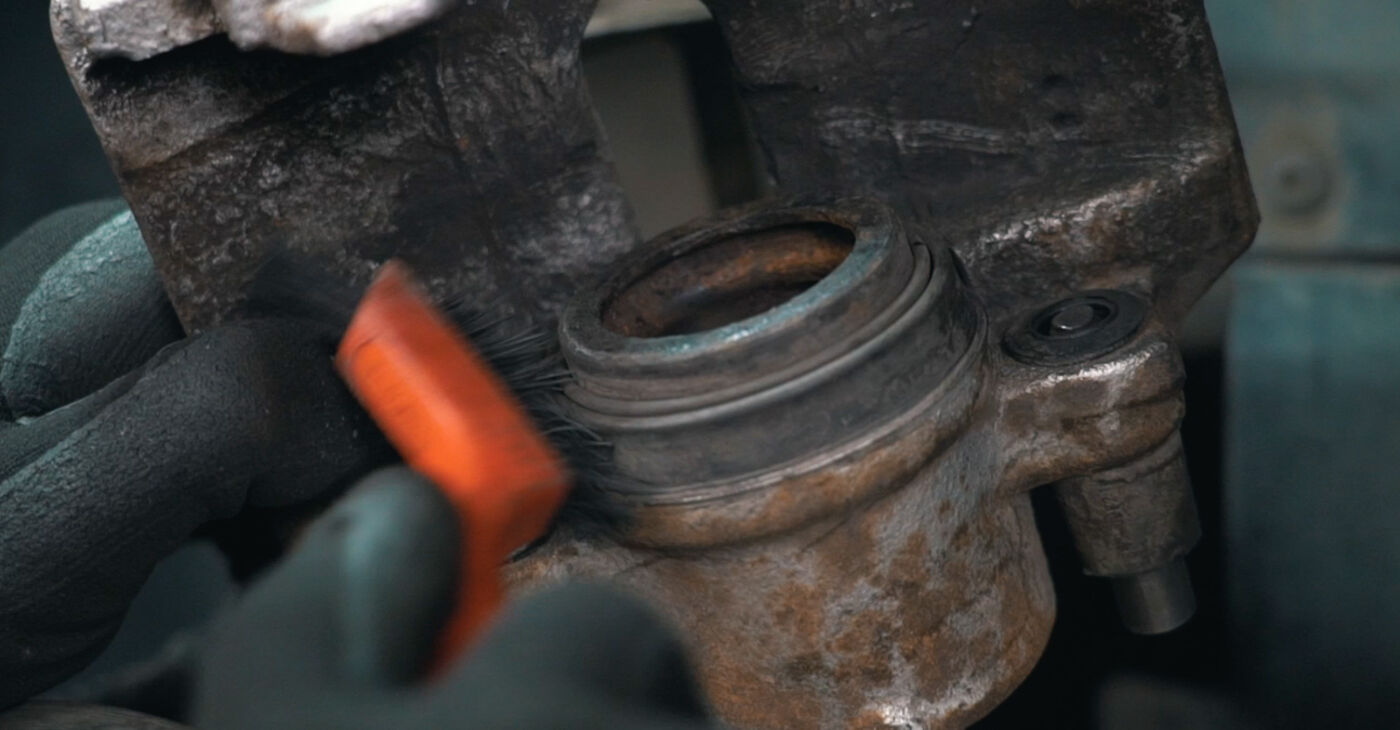
a wire brush and a WD-40 type agent
brake cleaner
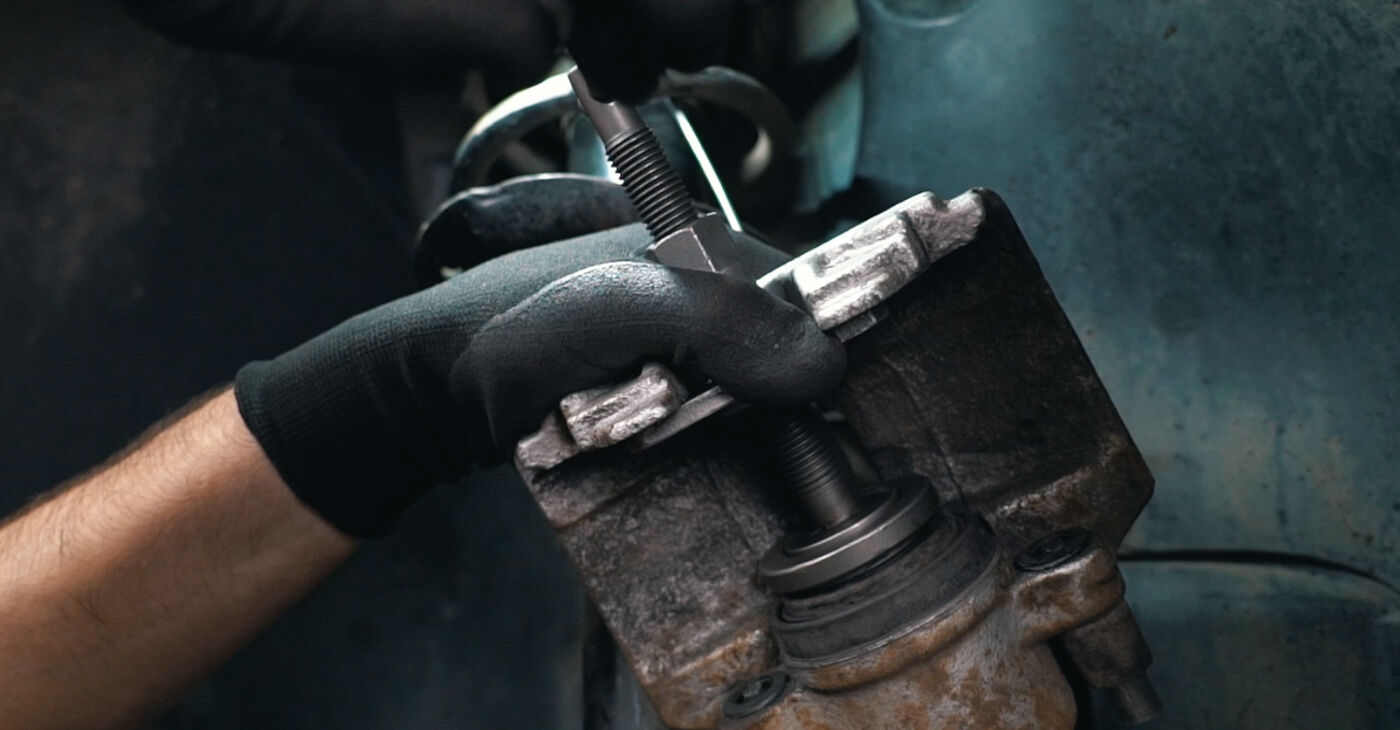
brake caliper wind back tool
respirator, gloves, goggles

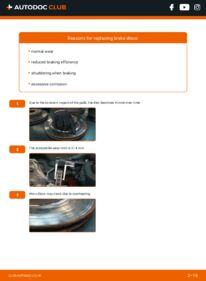
Reasons for replacing brake discs:
- normal wear
- reduced braking efficiency
- shuddering when braking
- excessive corrosion
- 1.
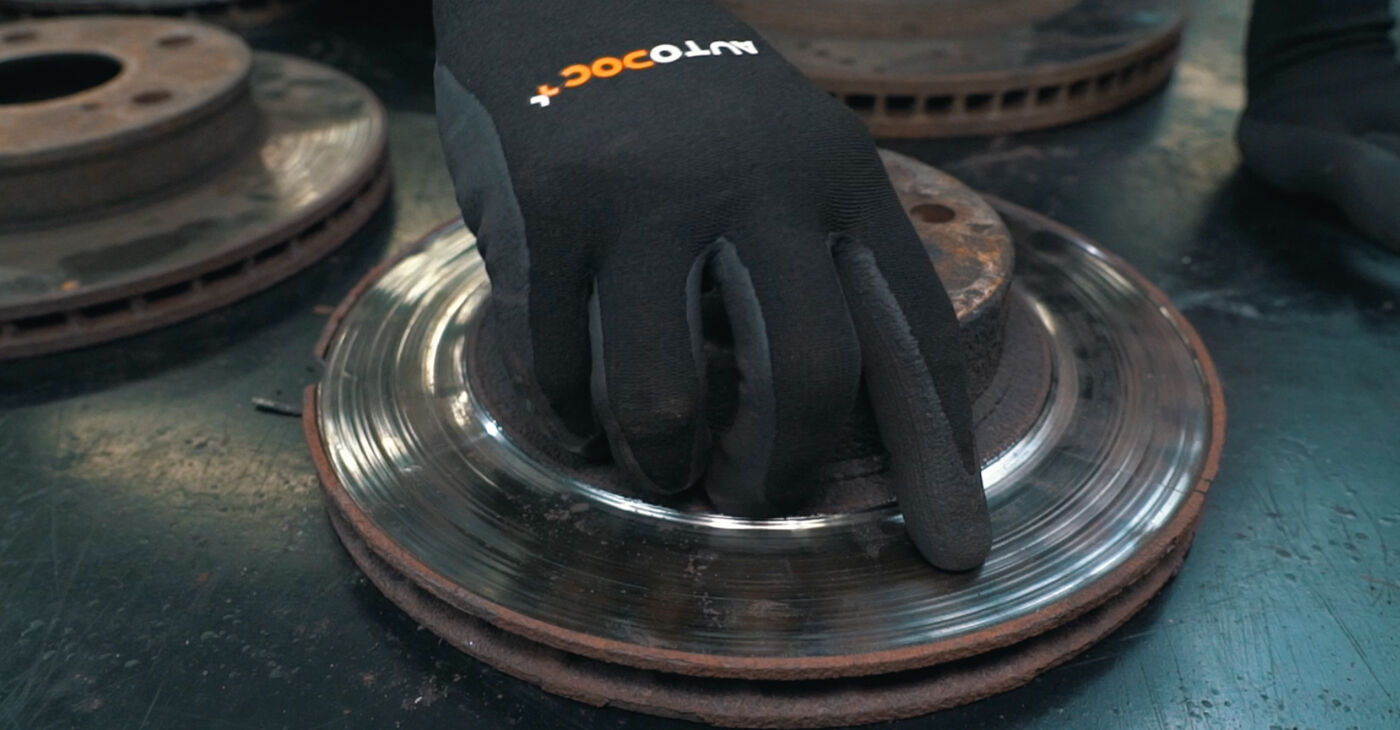 Due to the constant impact of the pads, the disc becomes thinner over time
 - 2.
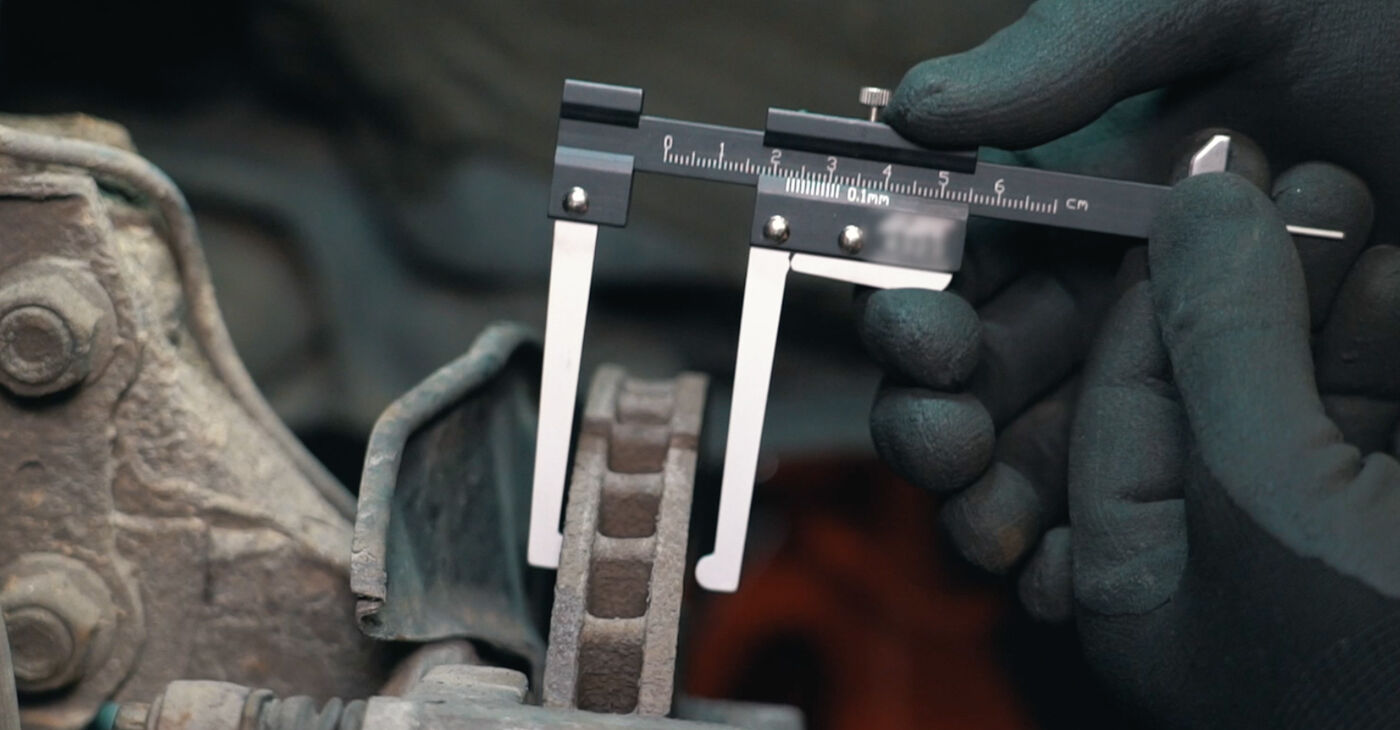 The acceptable wear limit is 2–4 mm
 - 3.
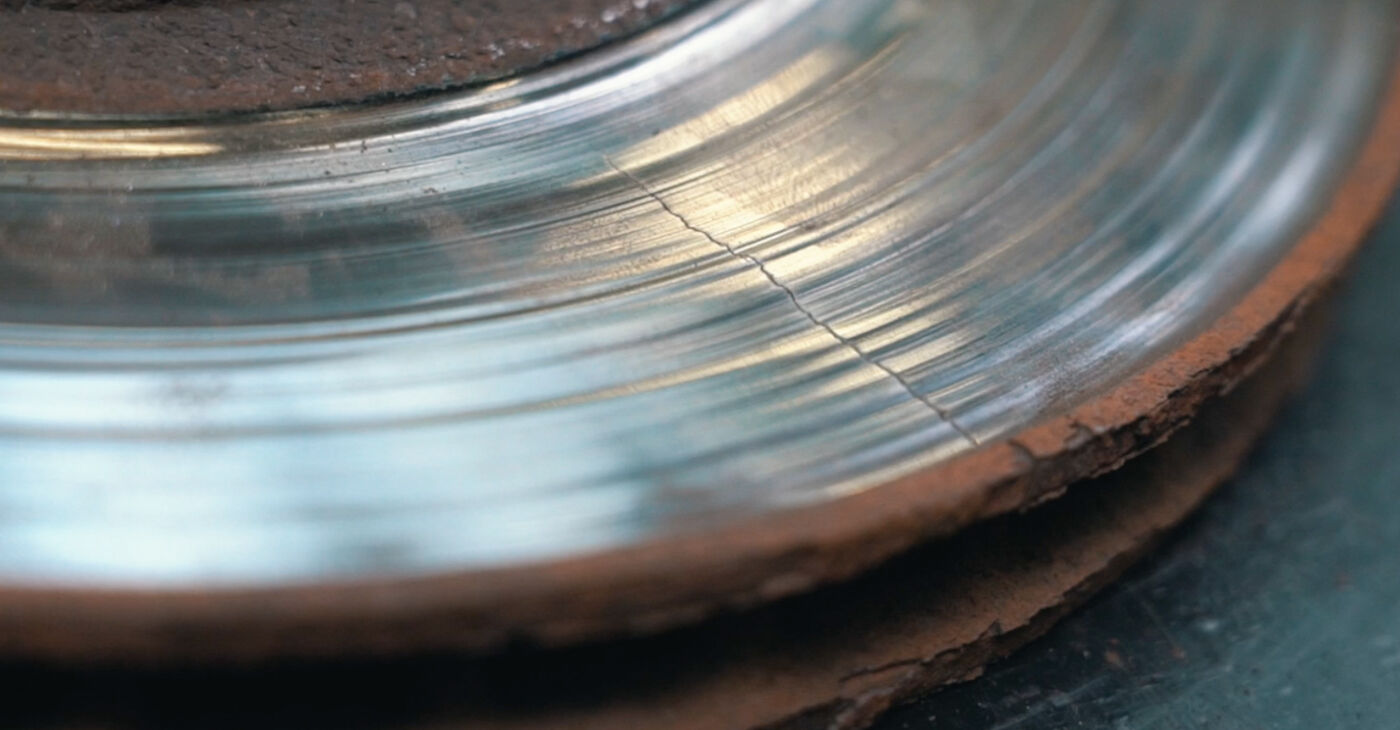 Worn discs may crack due to overheating
 - 4.
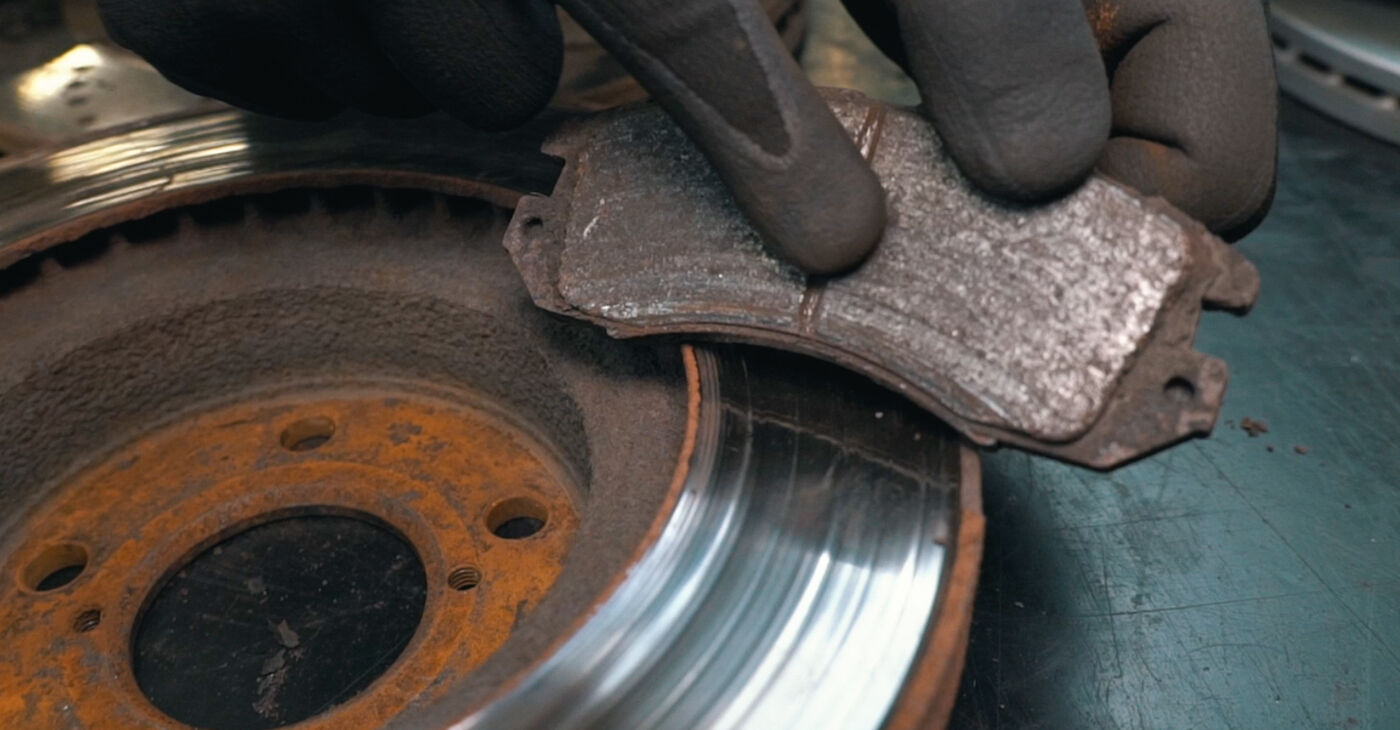 Uneven wear is caused by poor quality brake pads or dirt getting between the pads and the disc
 - 5.
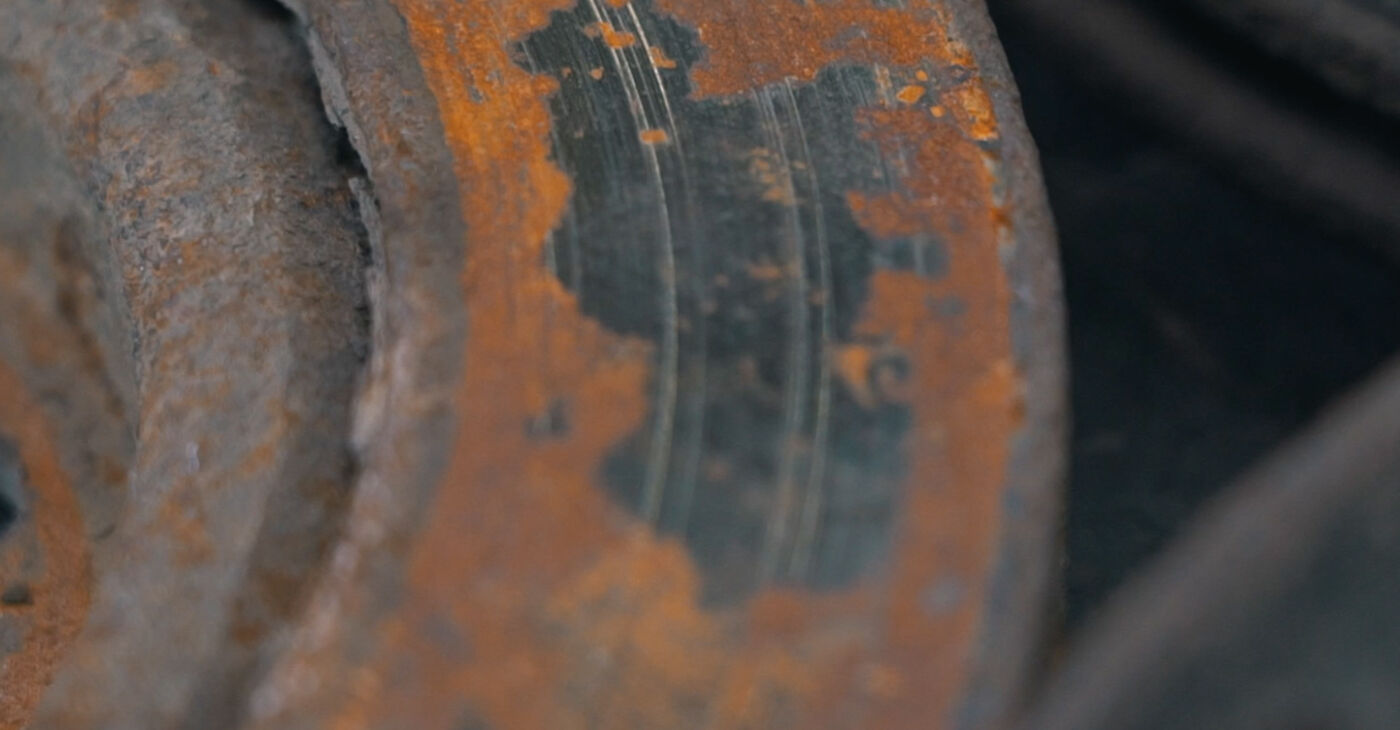 Discs can also be damaged from the inside due to corrosion
 - 6.
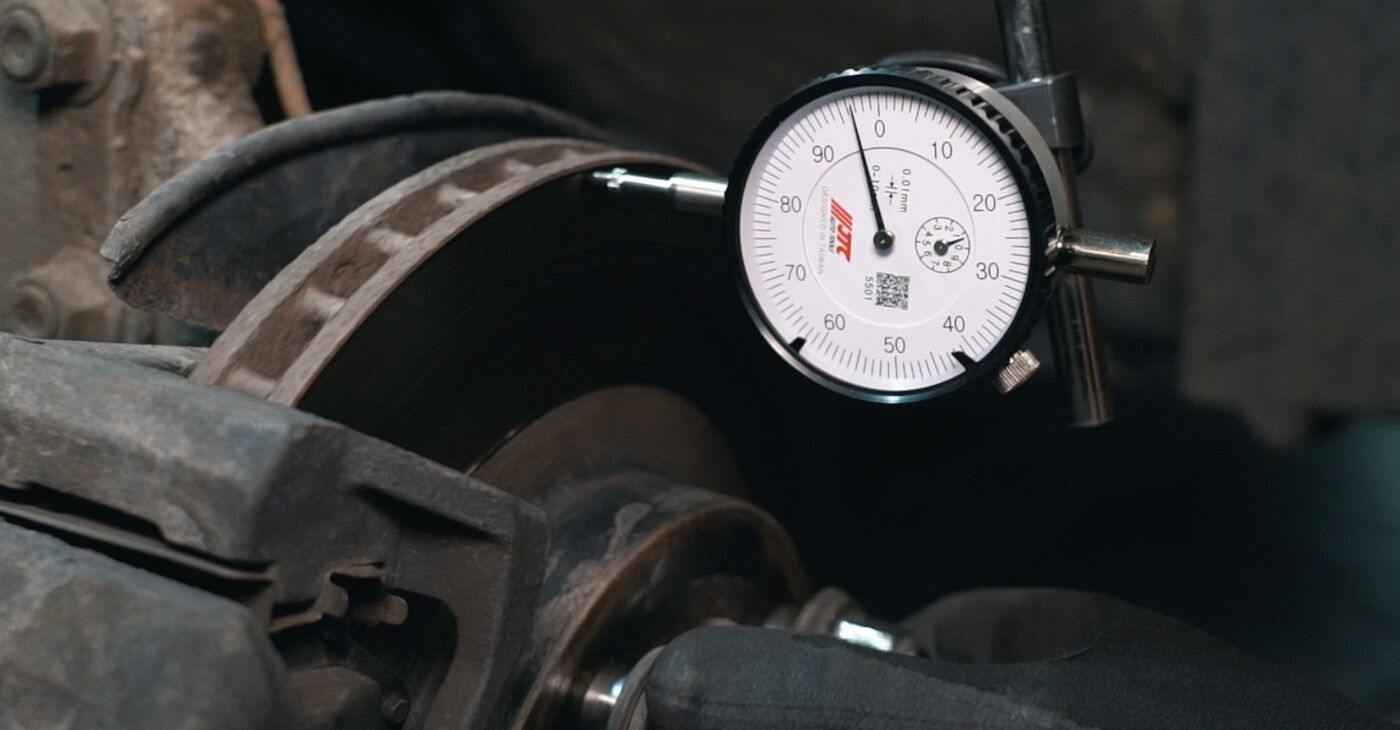 Overheating may cause the disc to warp
 - 7.
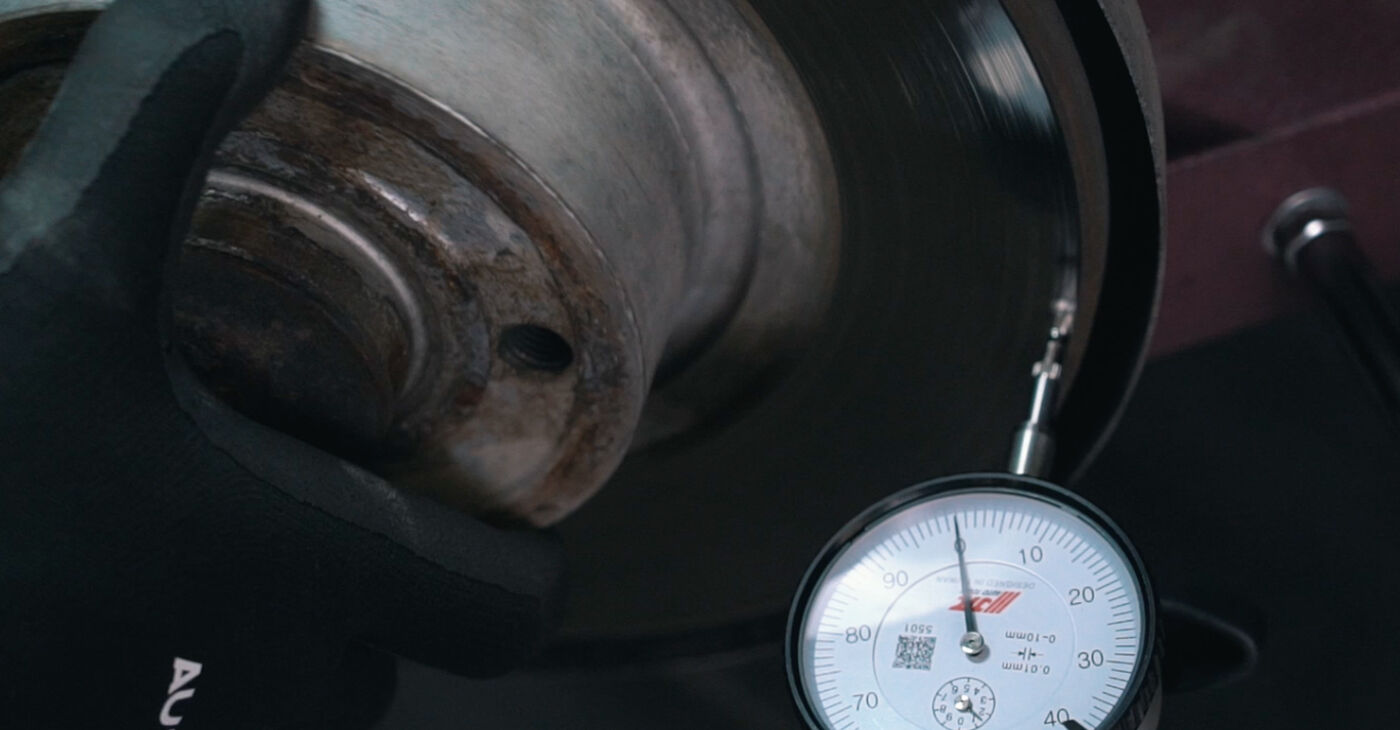 A corroded wheel hub prevents the disc from contacting the hub surface evenly
 - 8.This causes shudderingImportant!Brake discs should only be changed in pairs on each axle9.
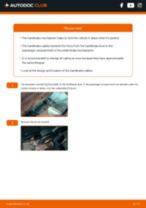
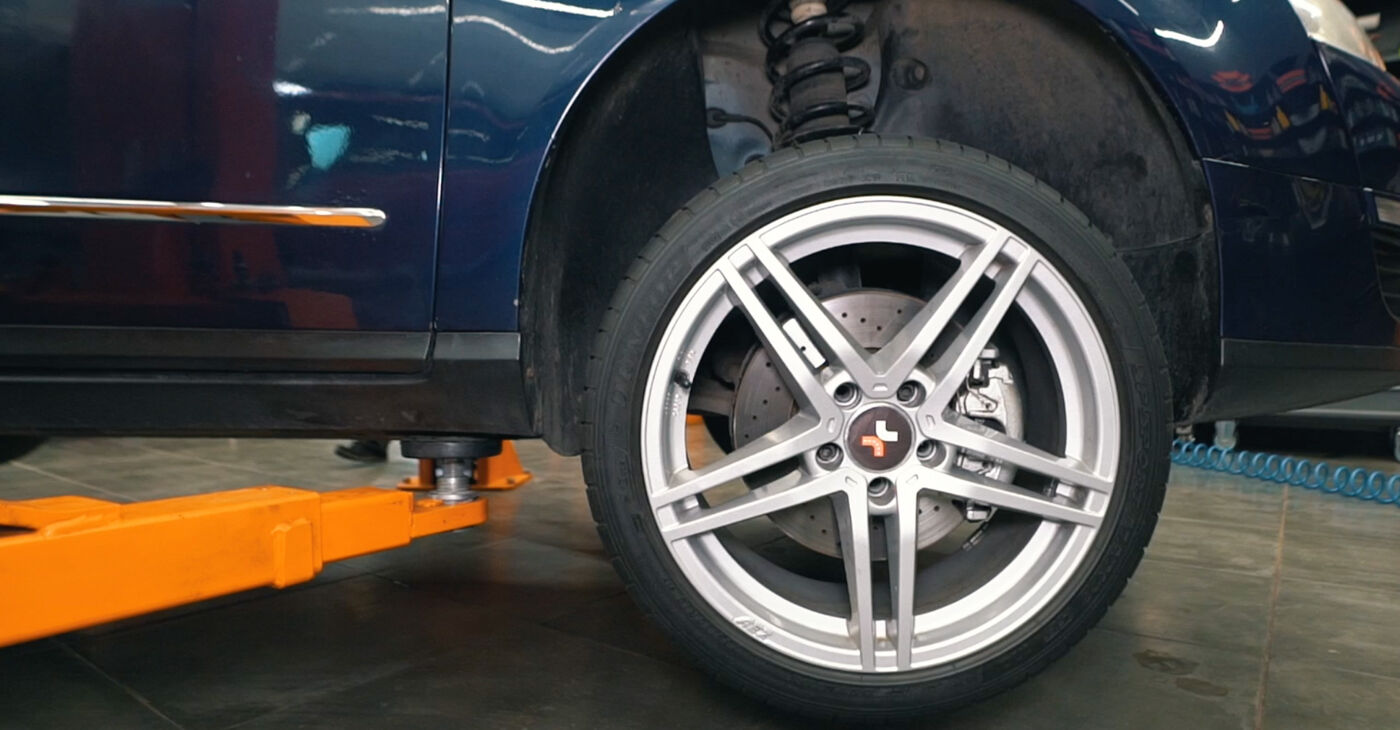 Raise the carPlease note!When using a jack you also need to use jack stands
 - 10.
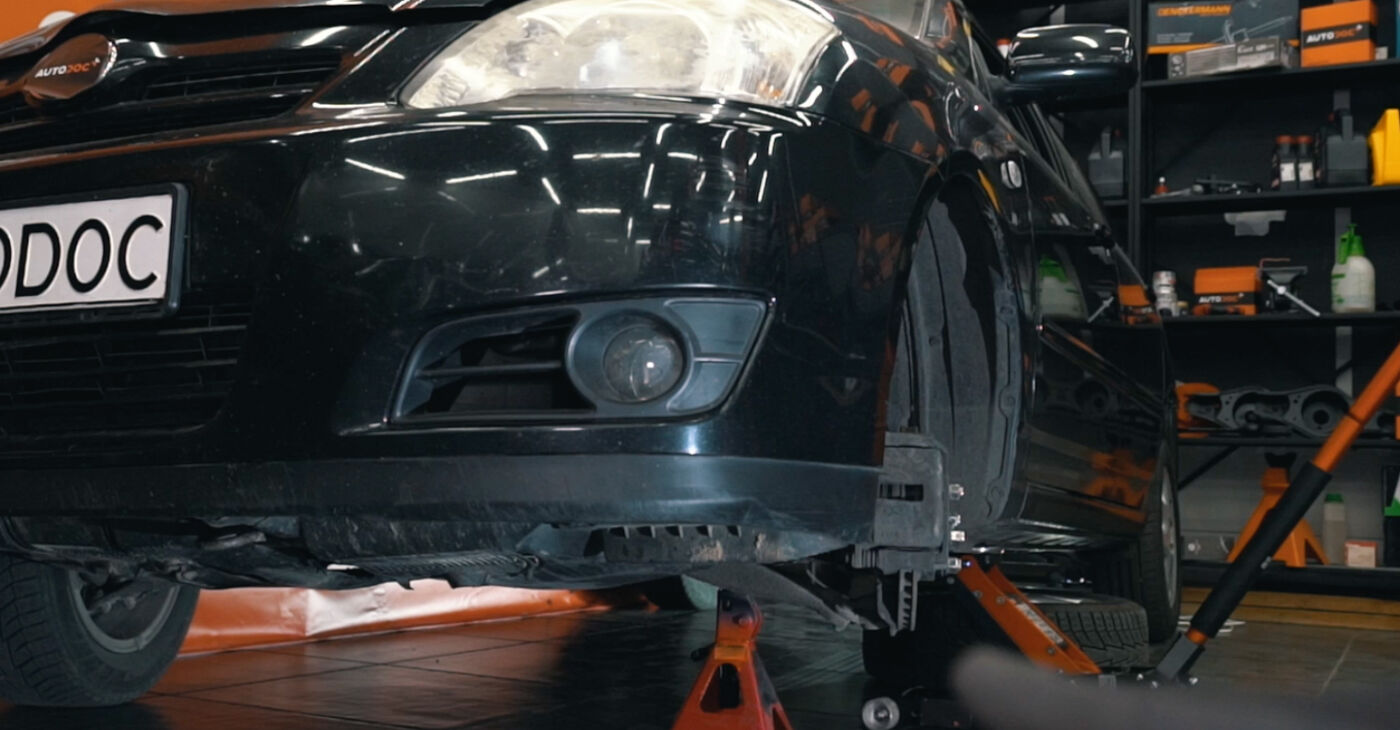 Raise the whole axle of the car
 - 11.or perform the repair job first on one side of the axle, and then on the other12.
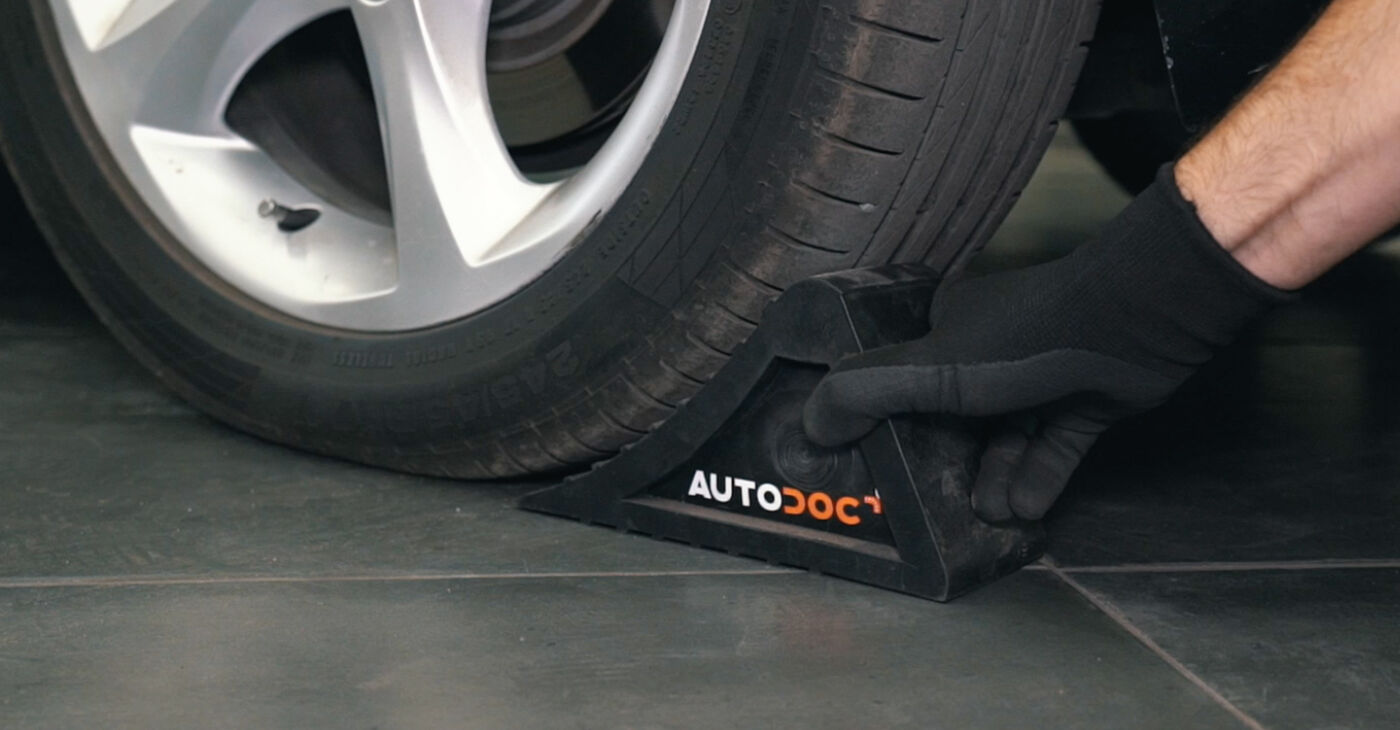 Be sure to use wheel chocksPlease note!The procedure for replacing brake discs is almost identical on most vehicles
 - 13.
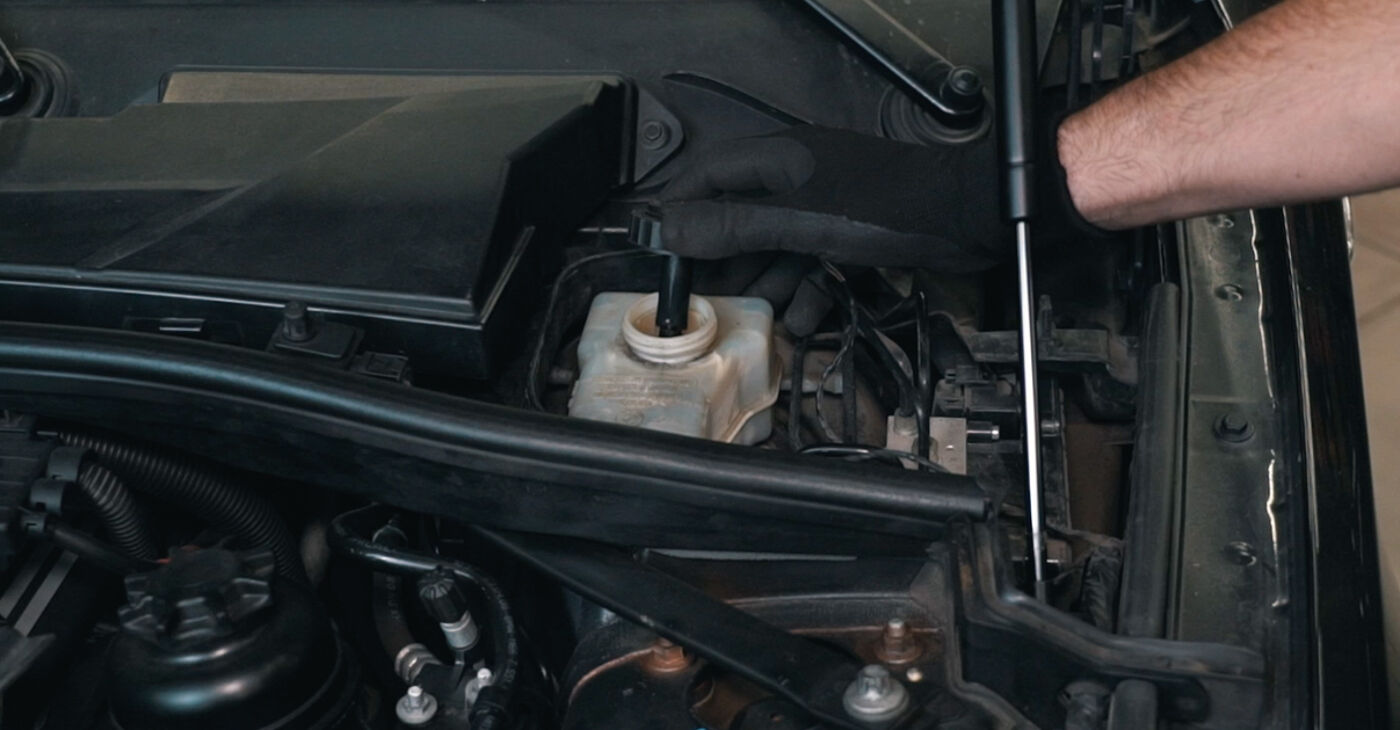
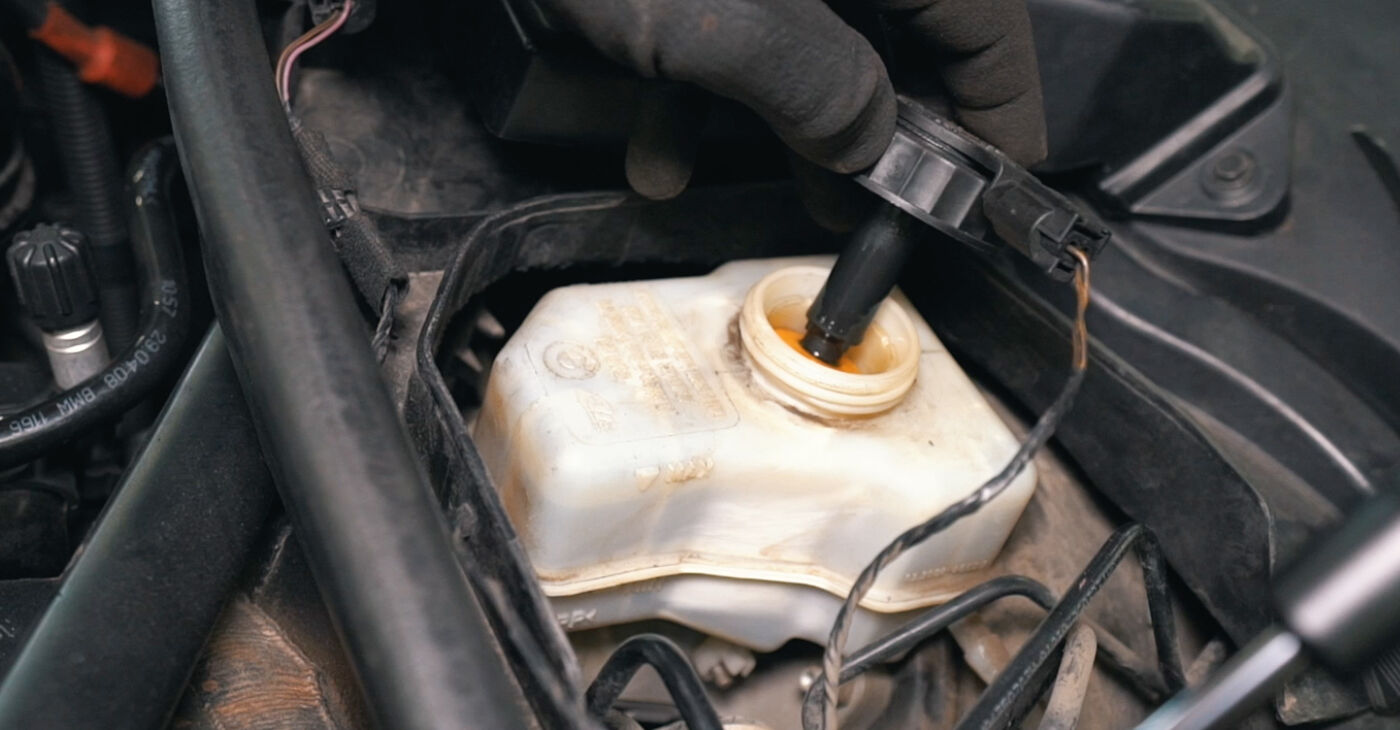 Check the level and condition of the brake fluid in the reservoir
 - 14.
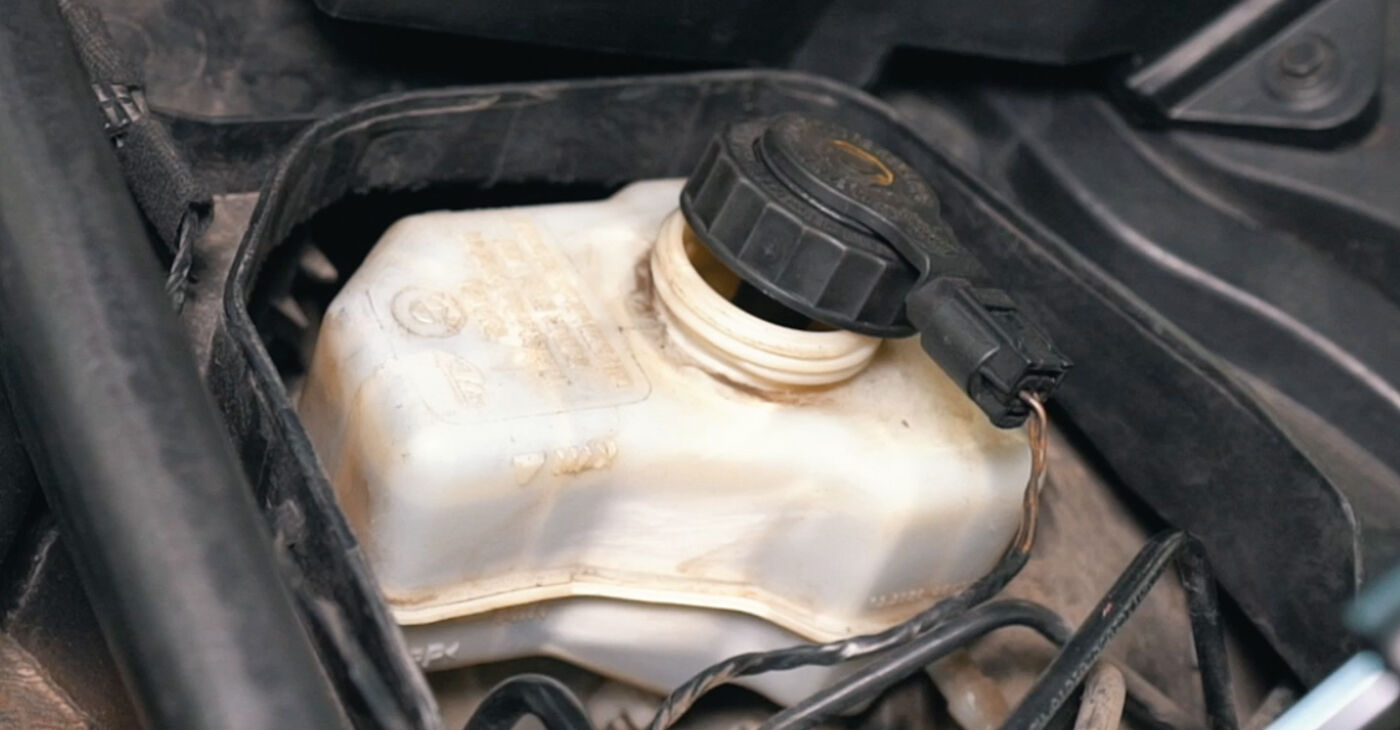 Leave the reservoir open and make sure that no dirt can get inside itCaution!When you're winding back the brake caliper pistons, brake fluid may overflow
 - 15.
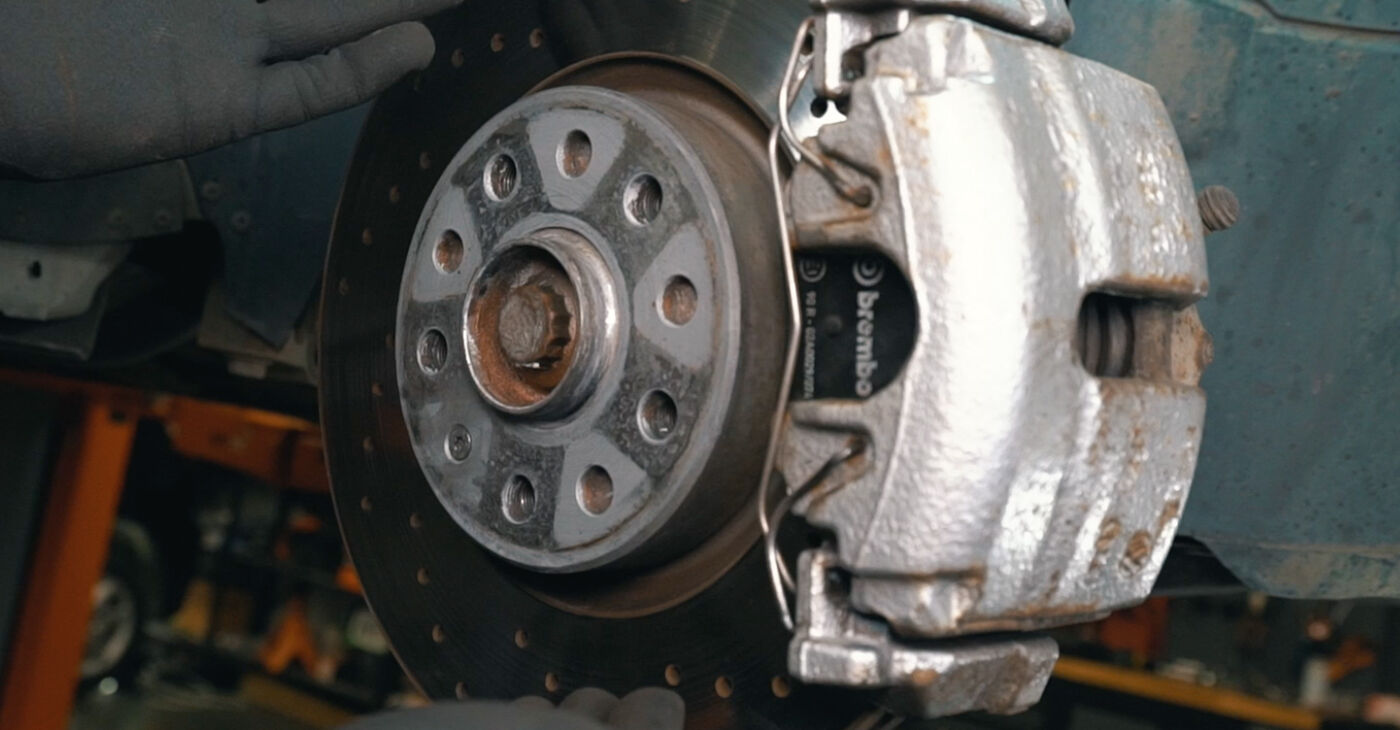 Before starting the replacement, look at the design of the brake caliper and the way it is fastenedAUTODOC recommends:Please note that products from different manufacturers can vary in design
 - 16.
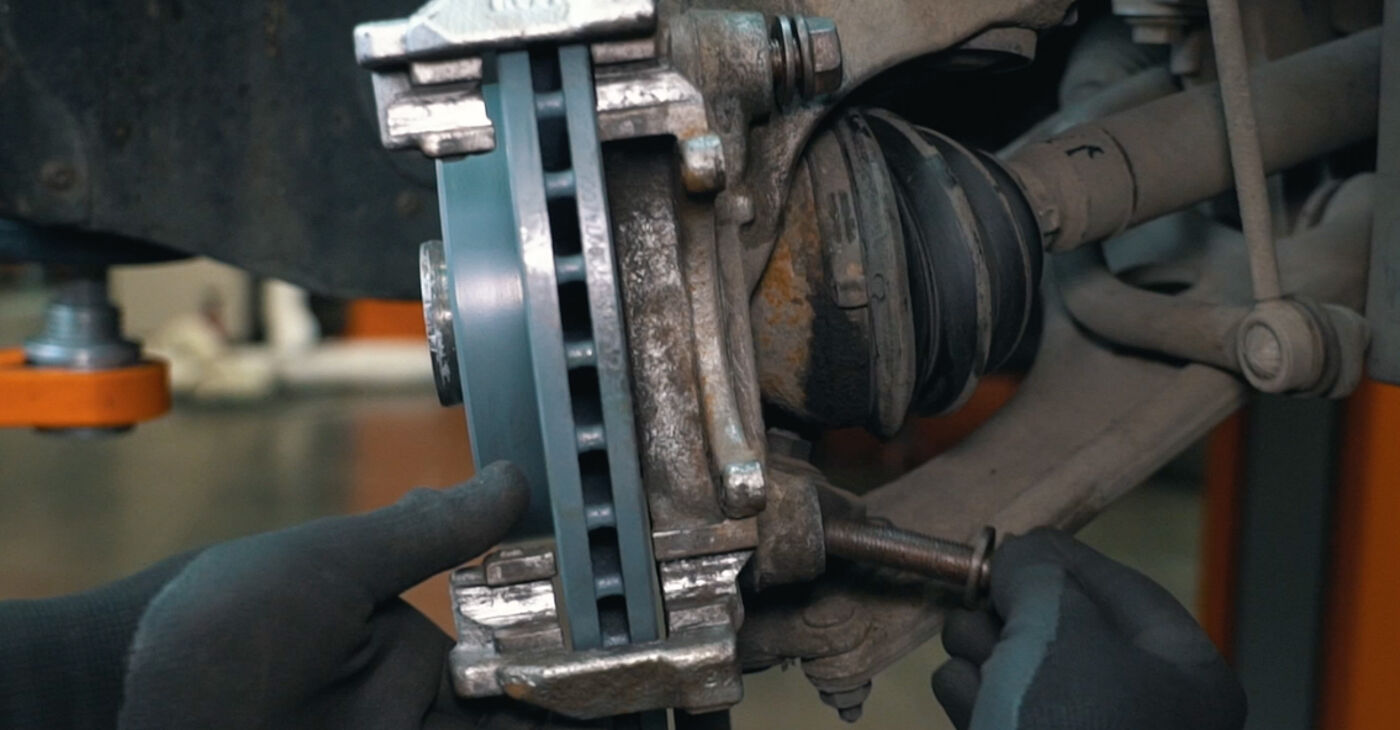
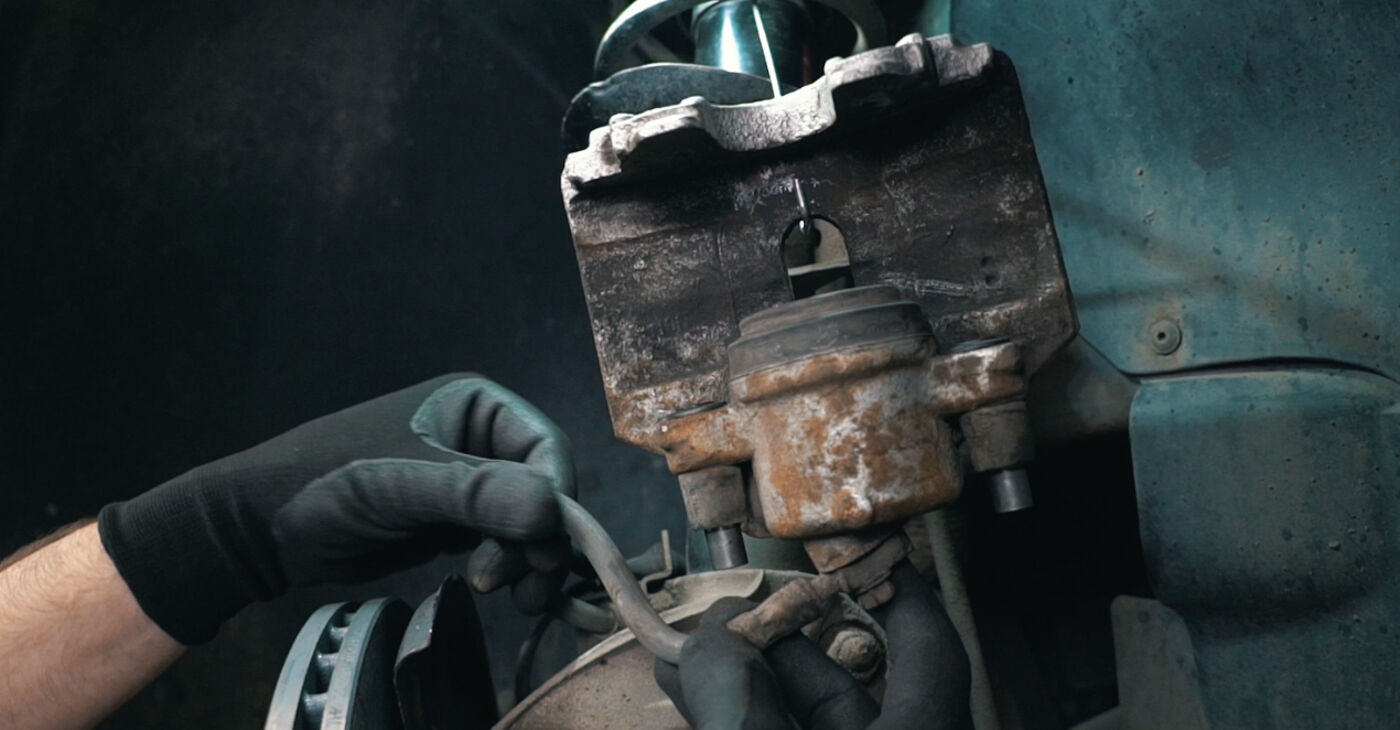
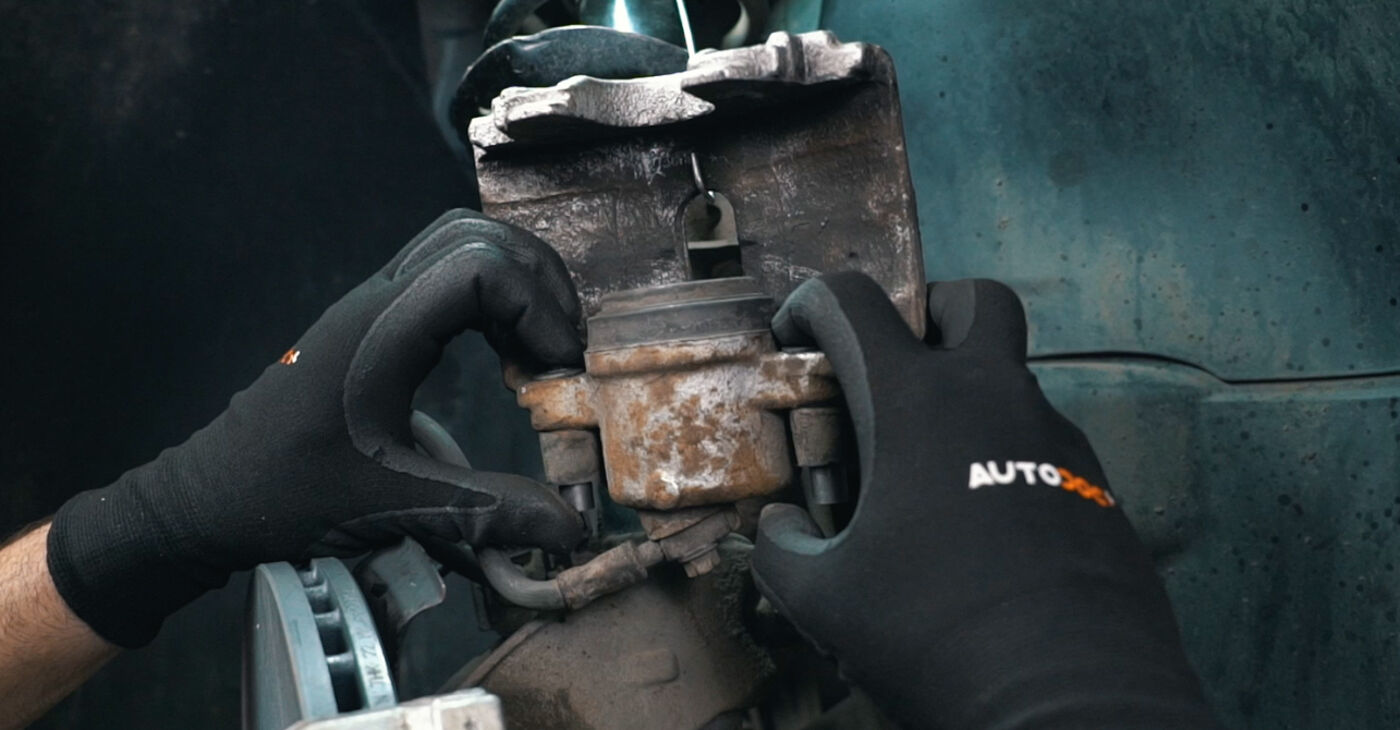
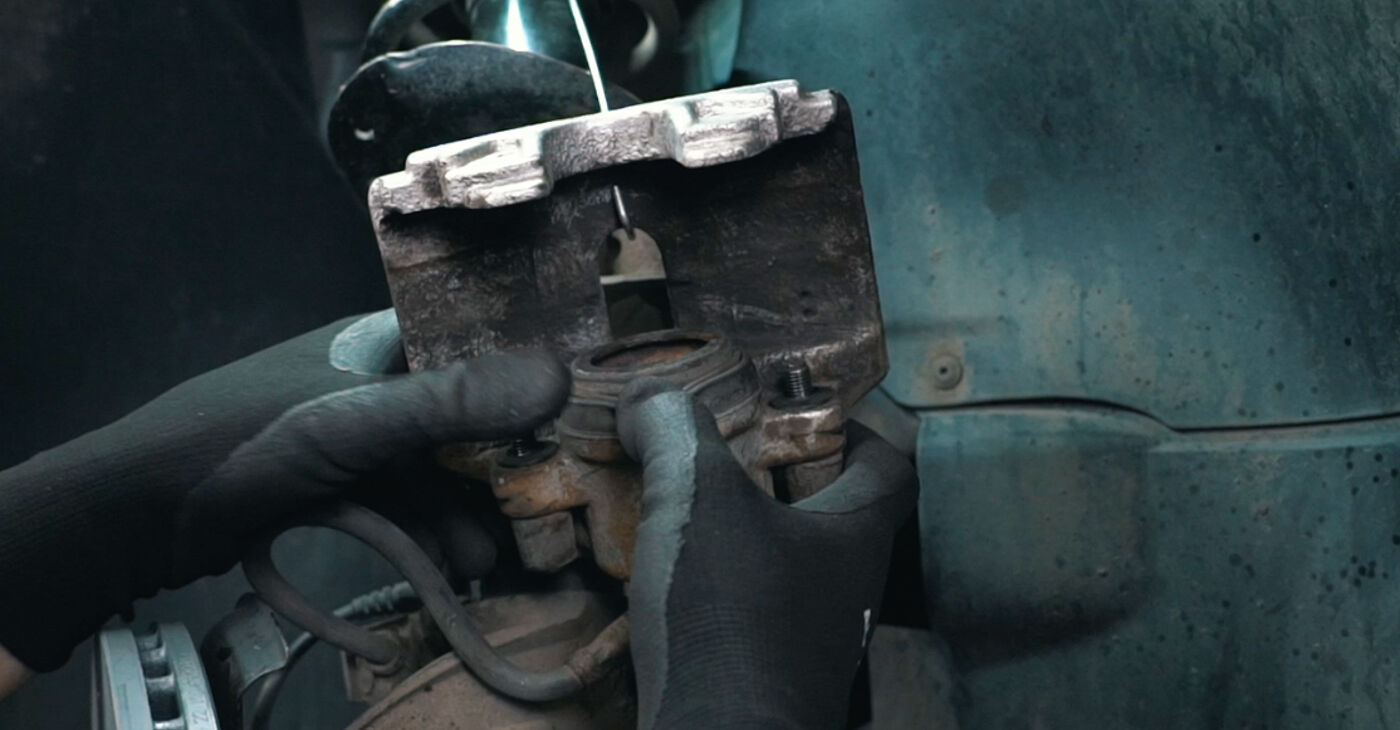
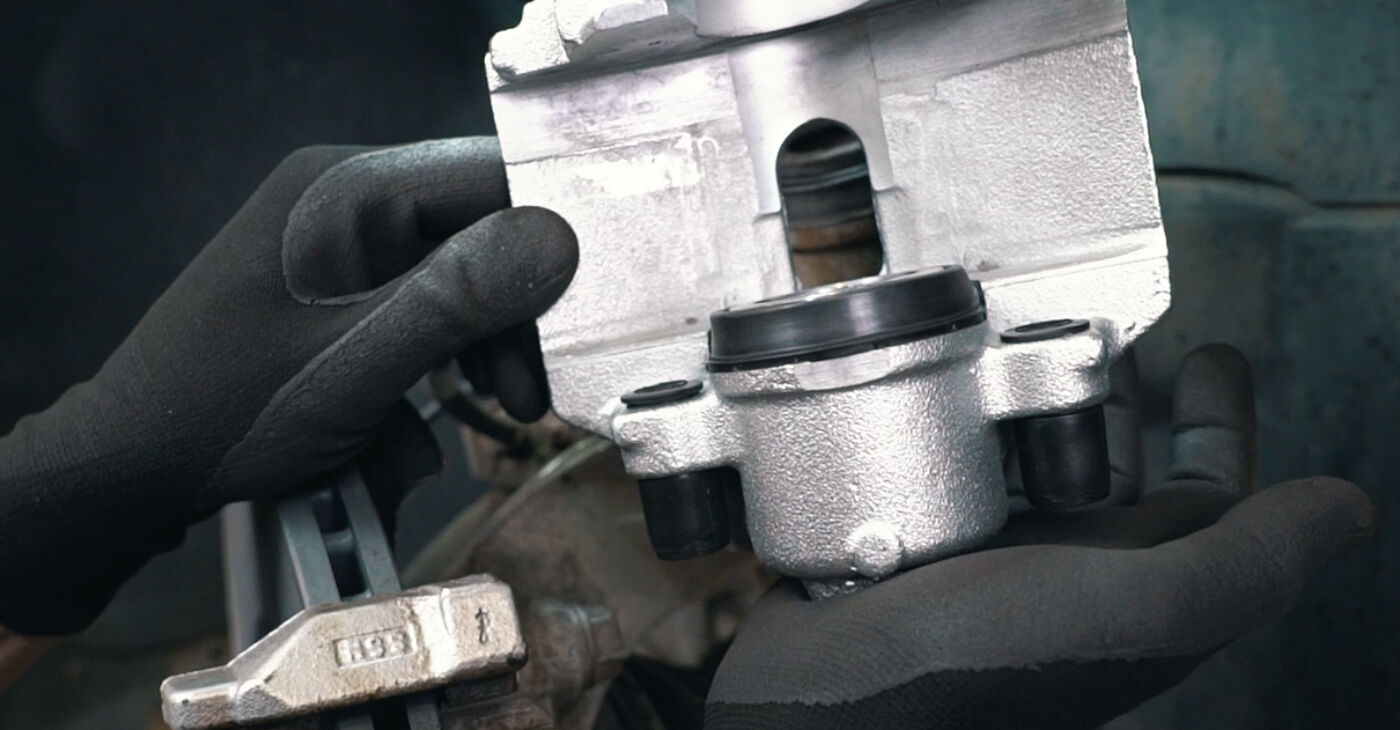
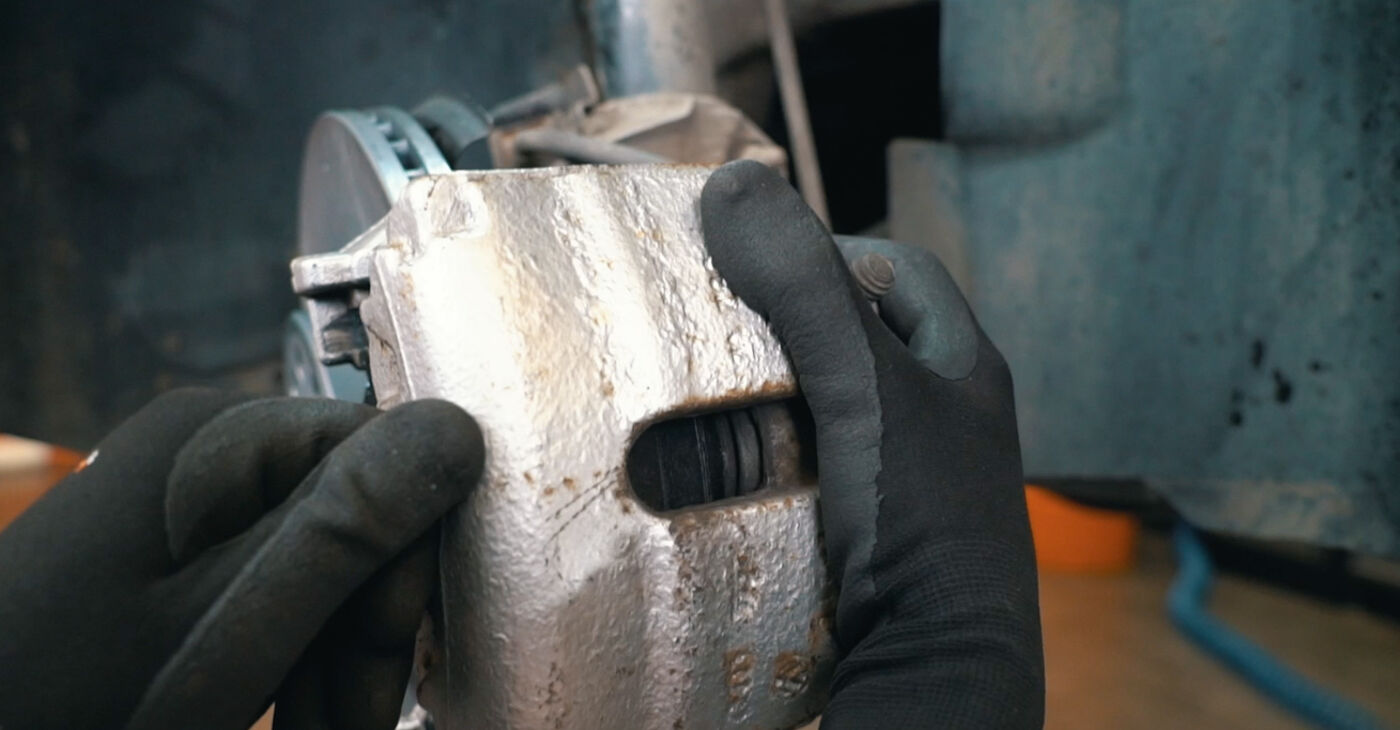
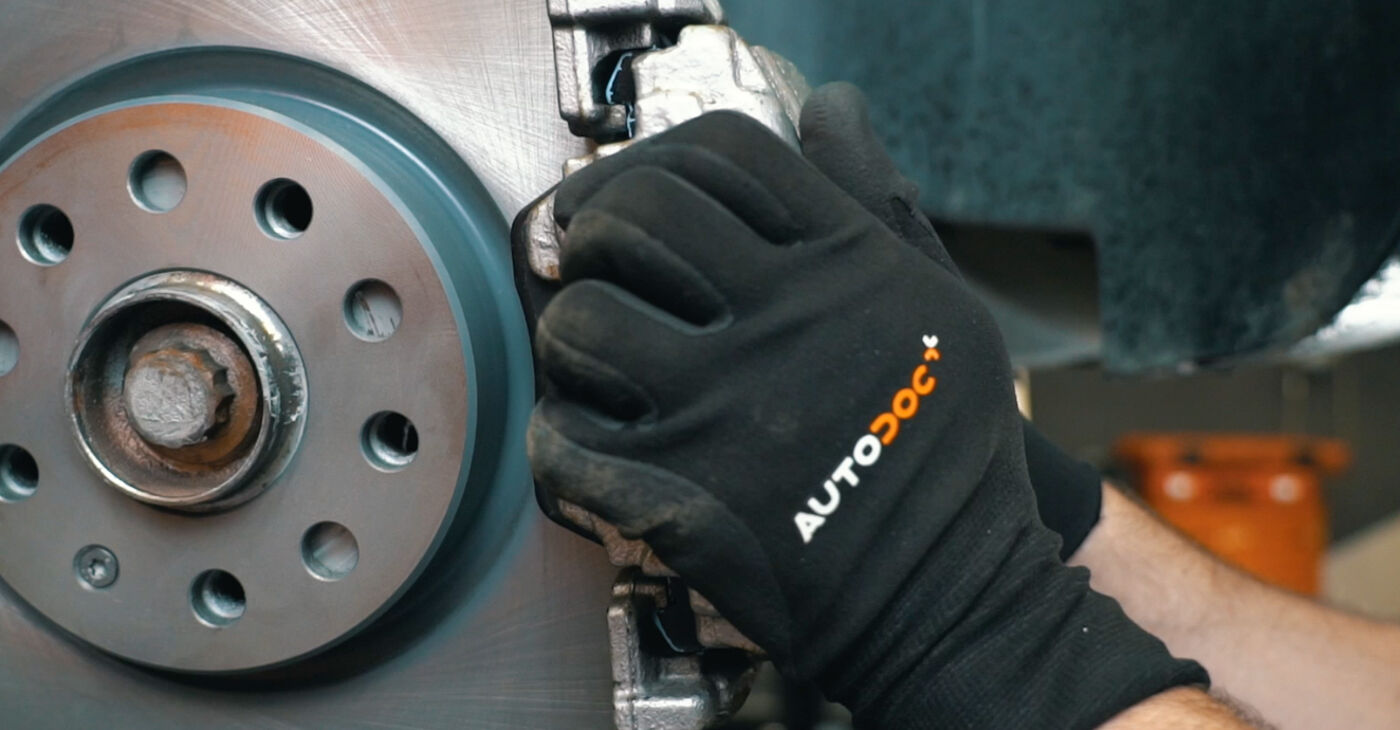
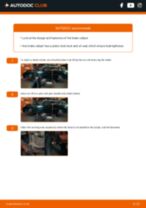
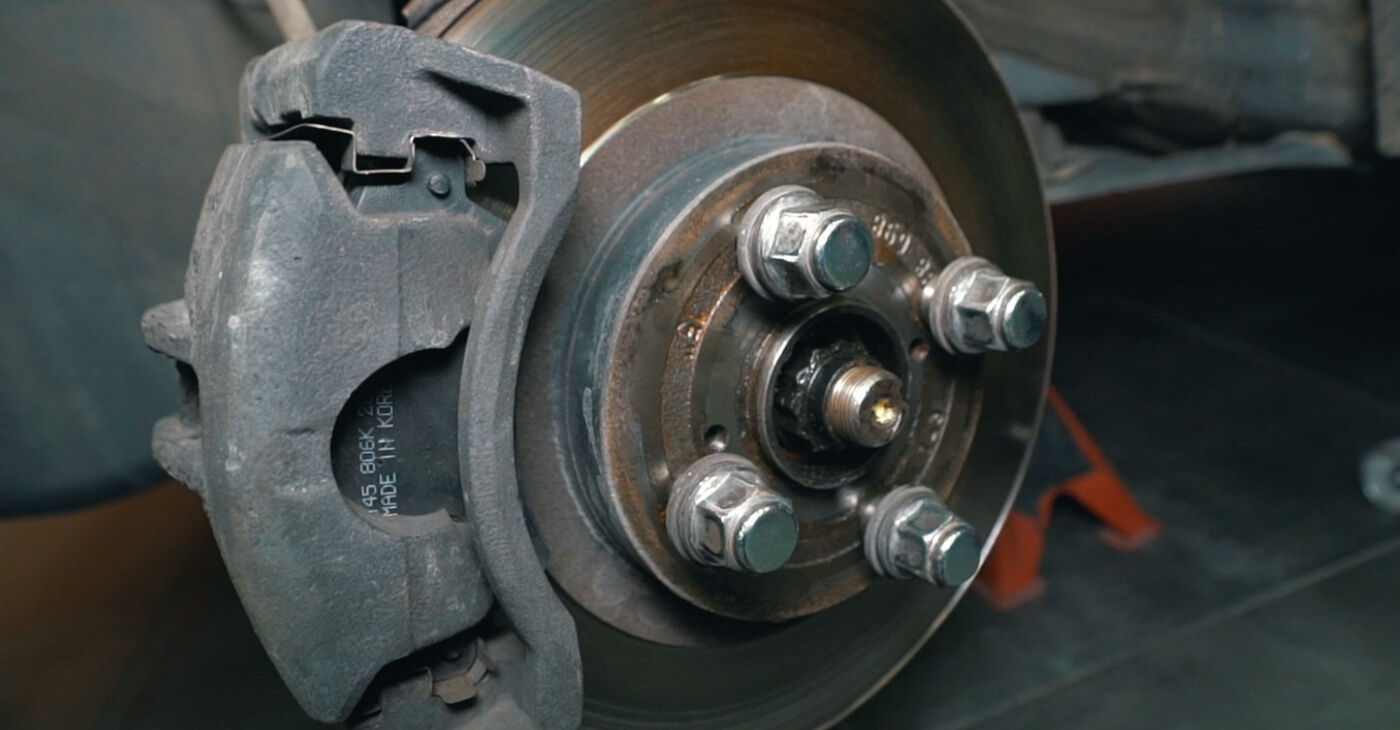 Remove the caliper to access the brake disc
 - 17.
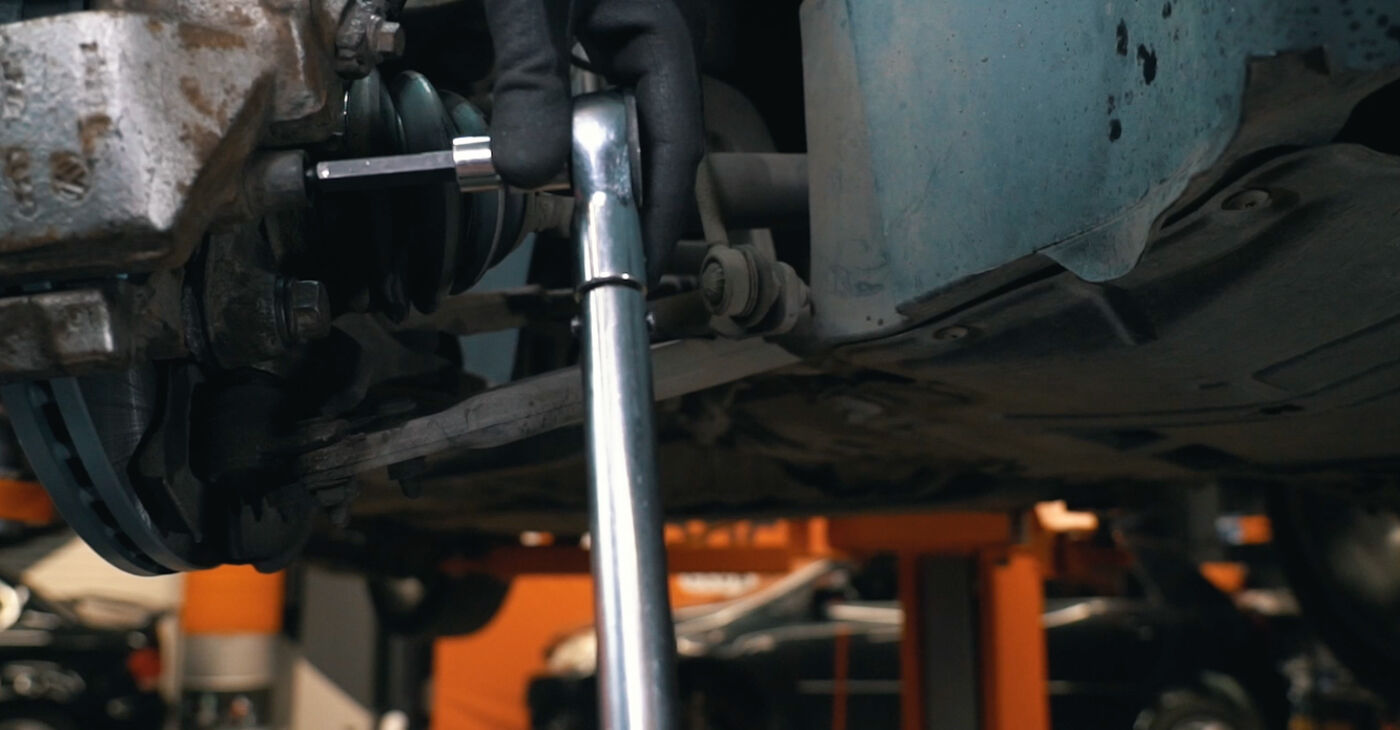
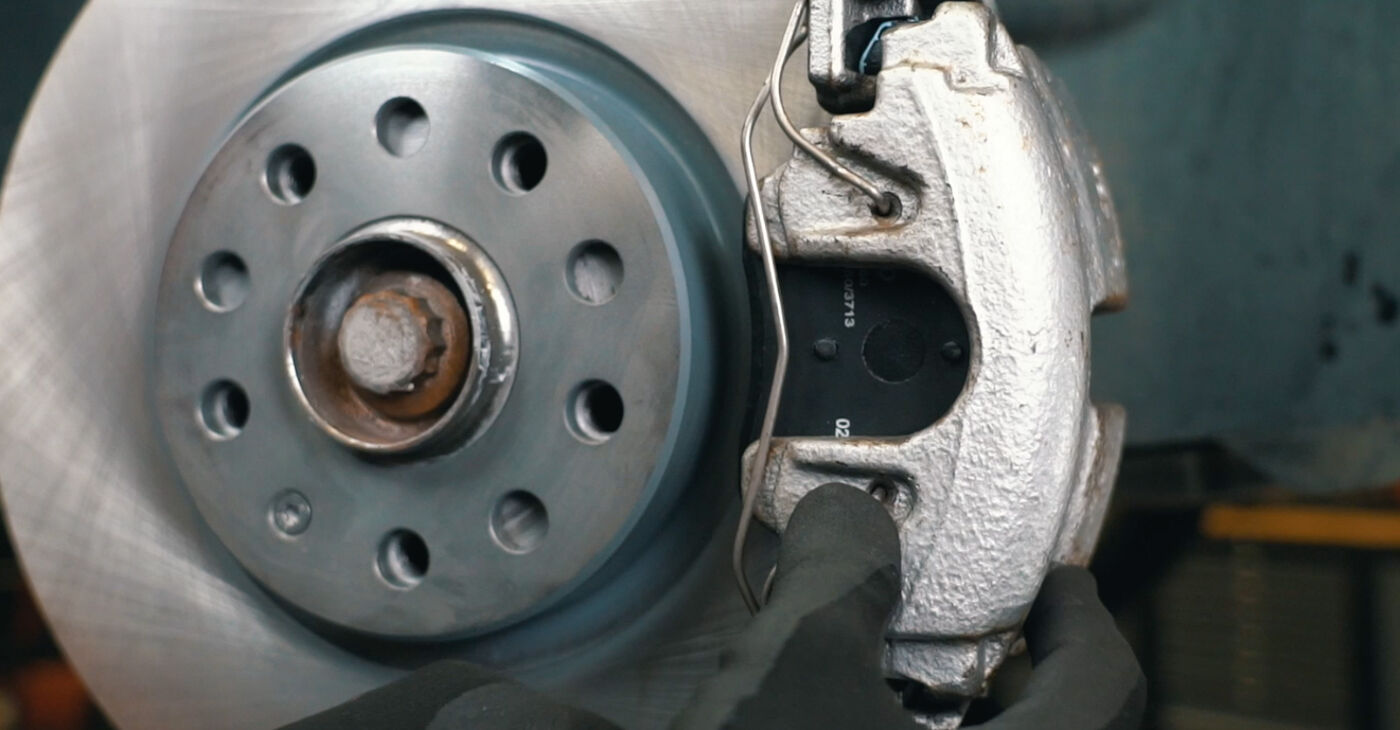
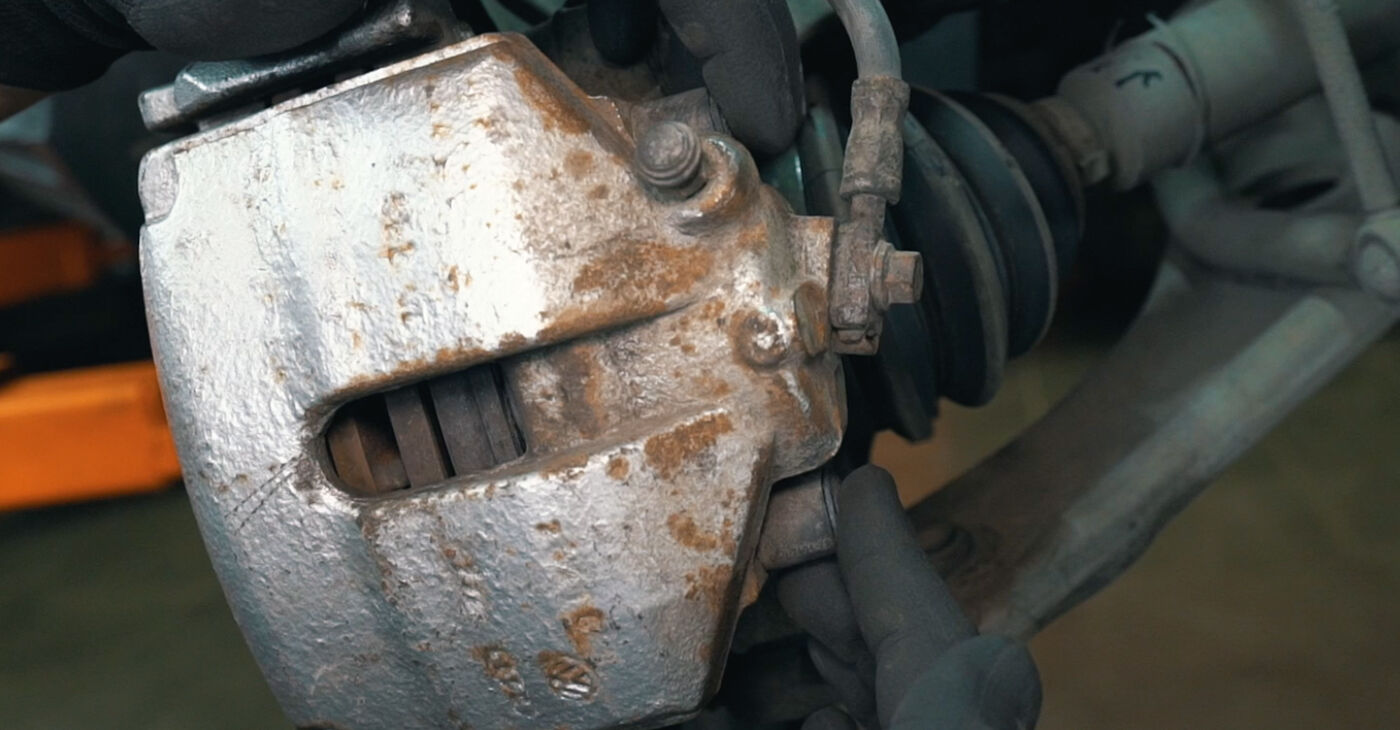 When doing this, you might need to remove the retaining spring, guide pin caps and guide pins themselves, and the fasteners of the brake caliper bracket
 - 18.
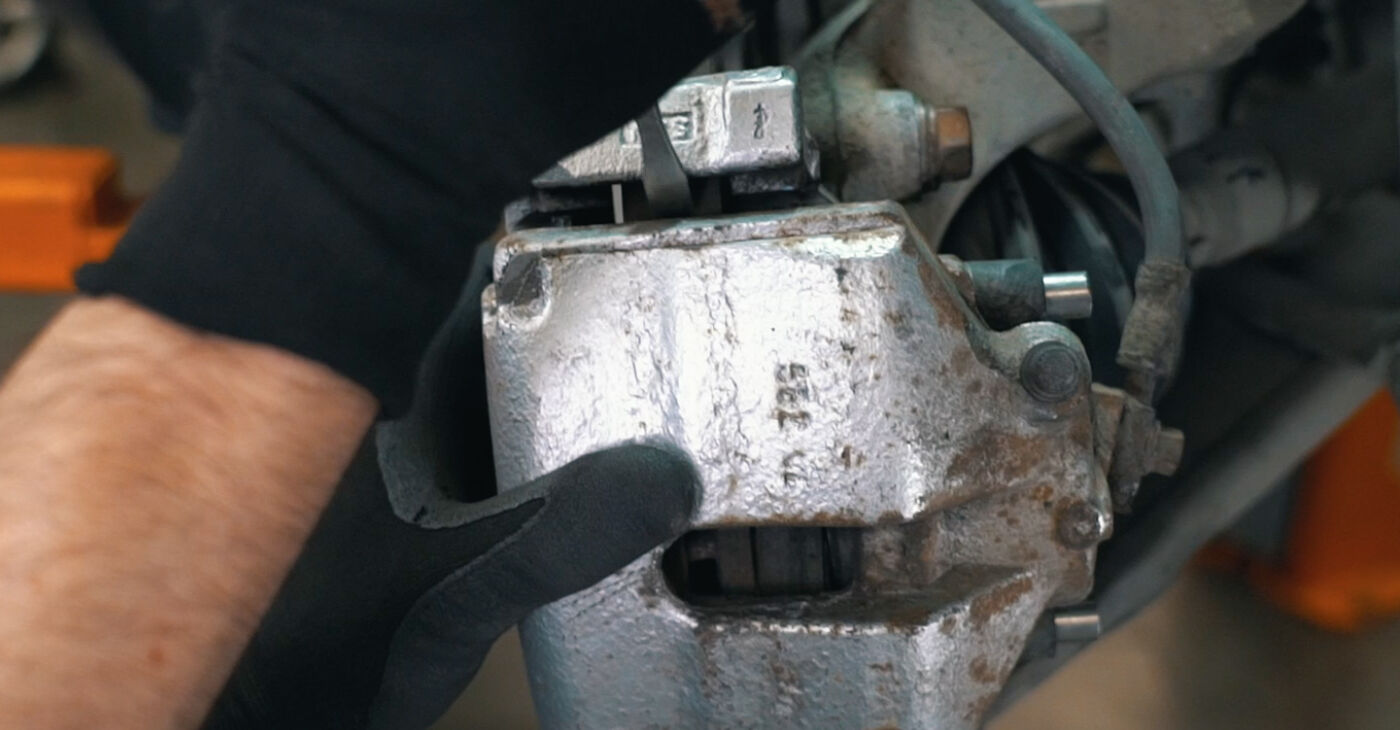 If the caliper is difficult to remove, use a suitable tool to force it apart or to pry it off
 - 19.
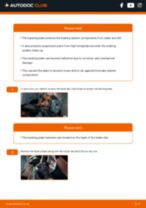
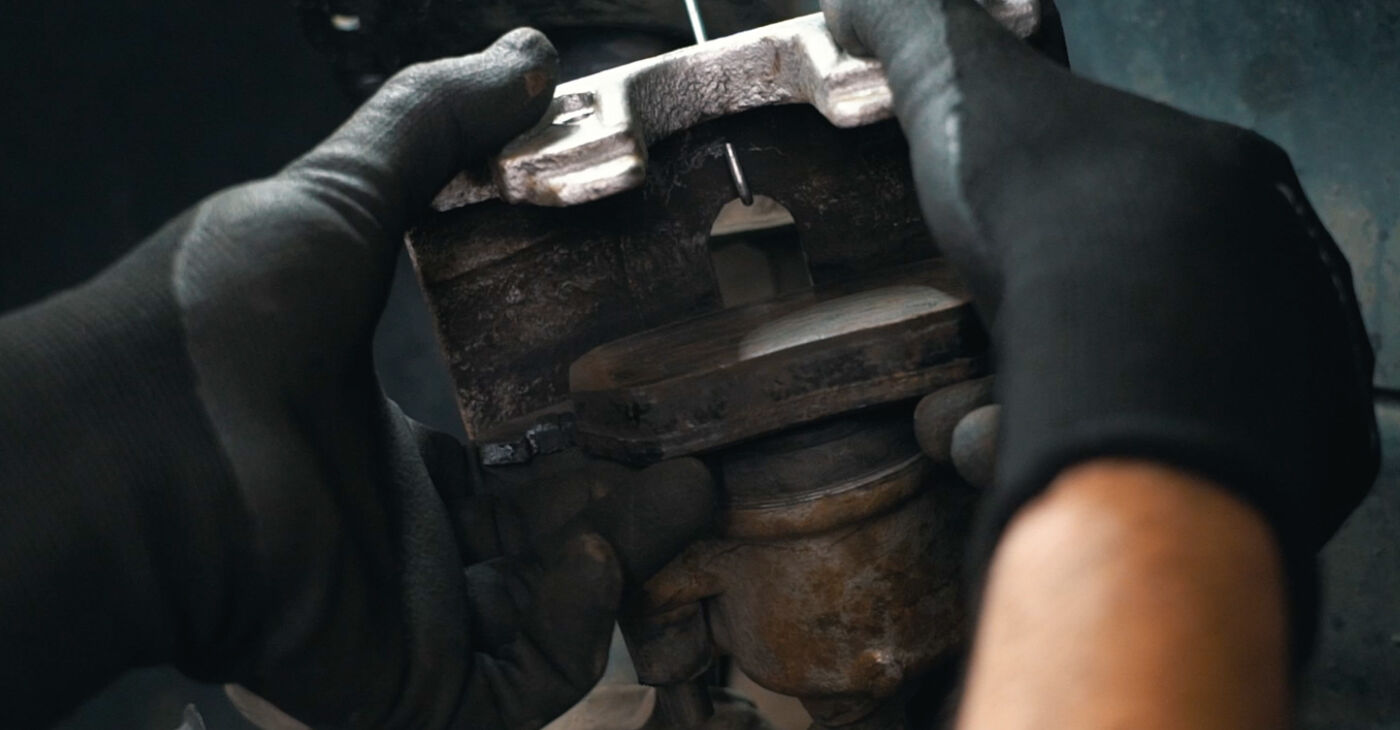 Hang the brake caliper from the suspension or the car bodyImportant!Do not hang the caliper from the brake hose to avoid damaging the hose
 - 20.
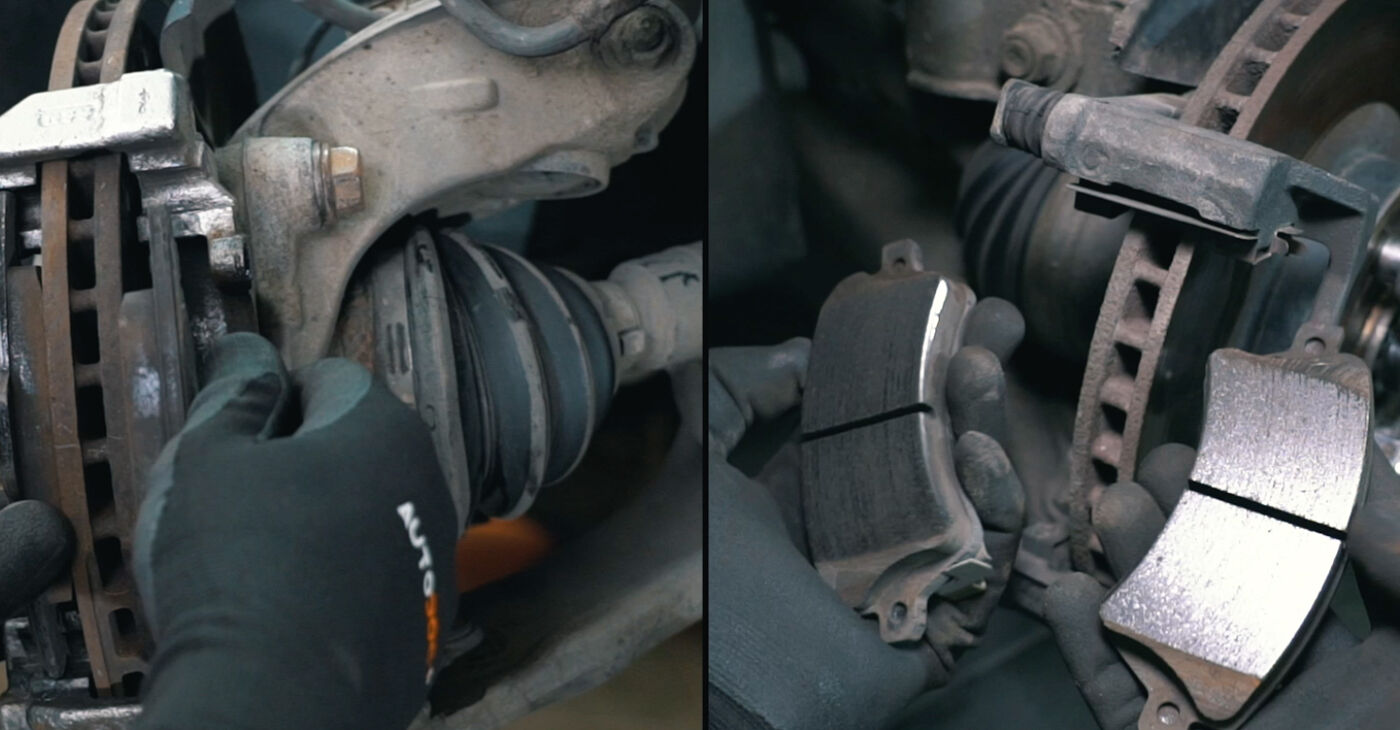 Remove the brake pads
 - 21.
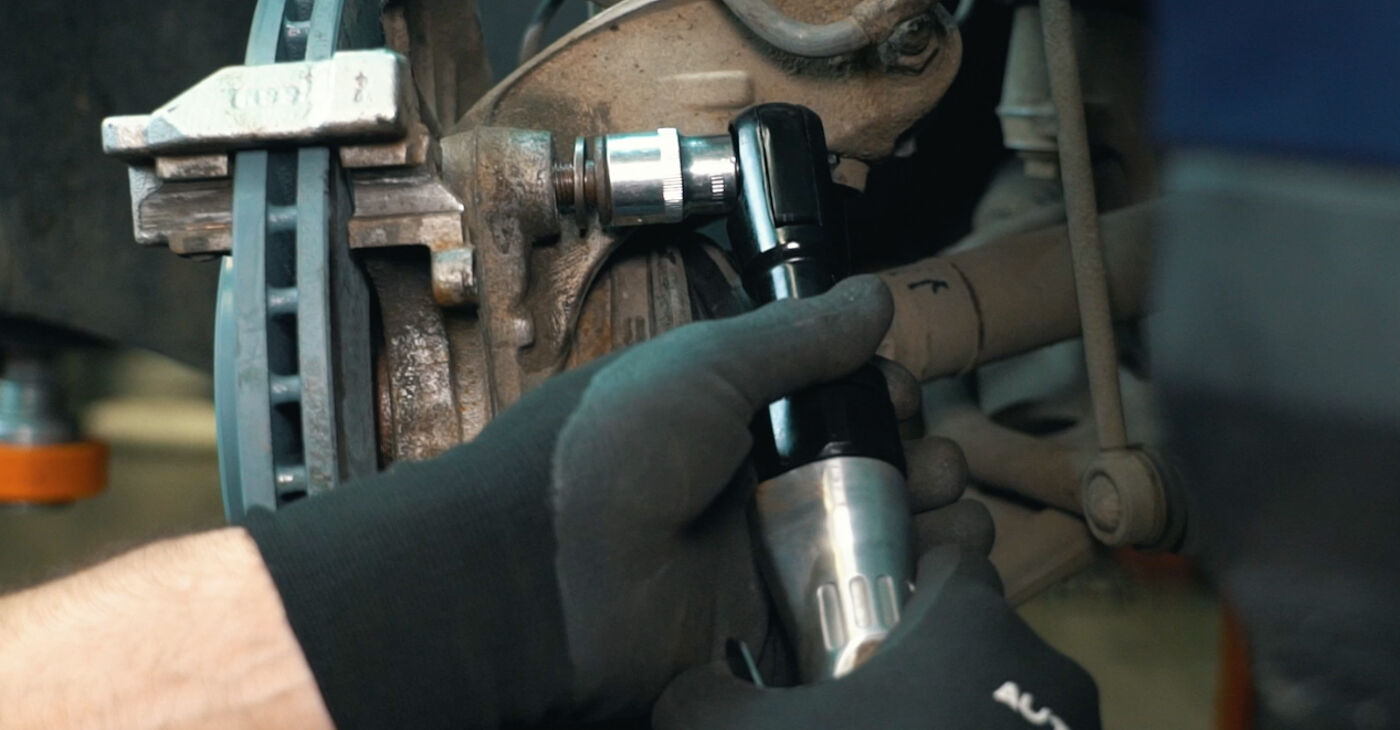
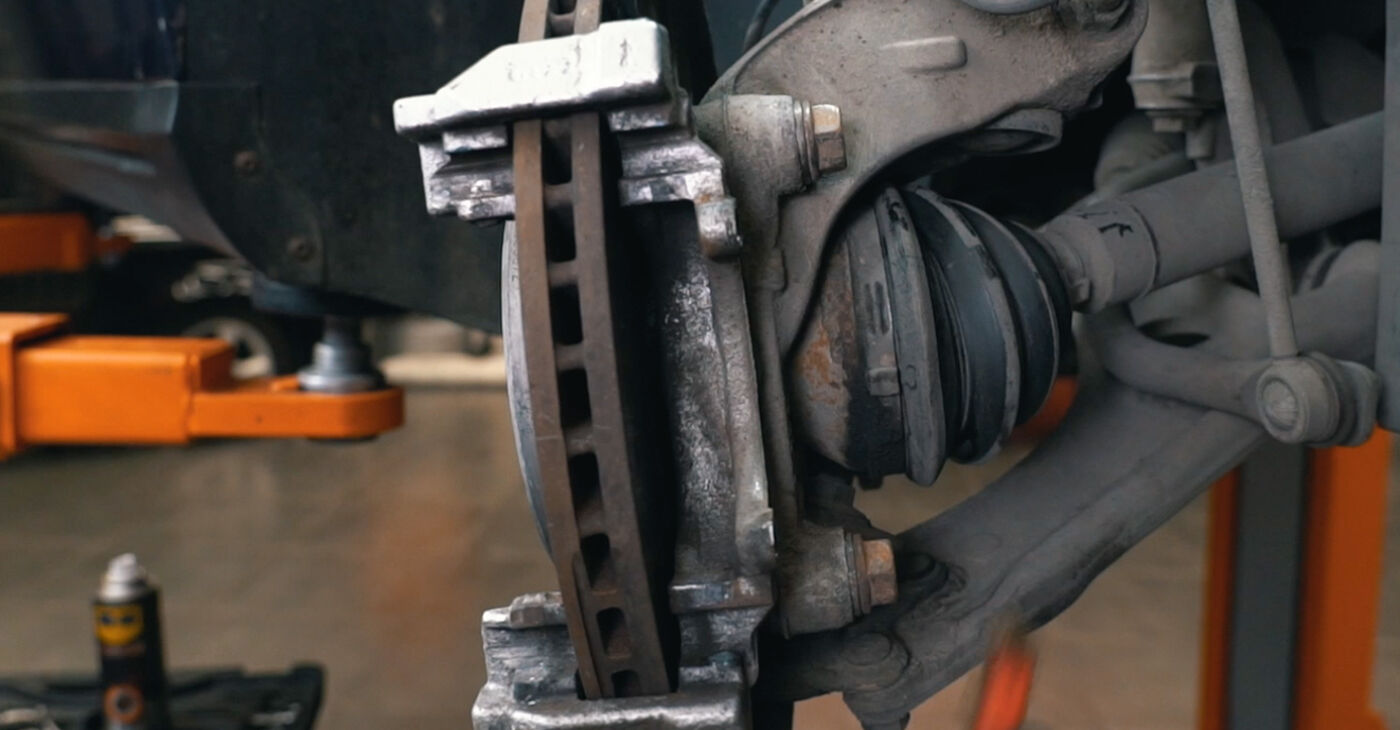 If the brake caliper has a bracket, remove it
 - 22.
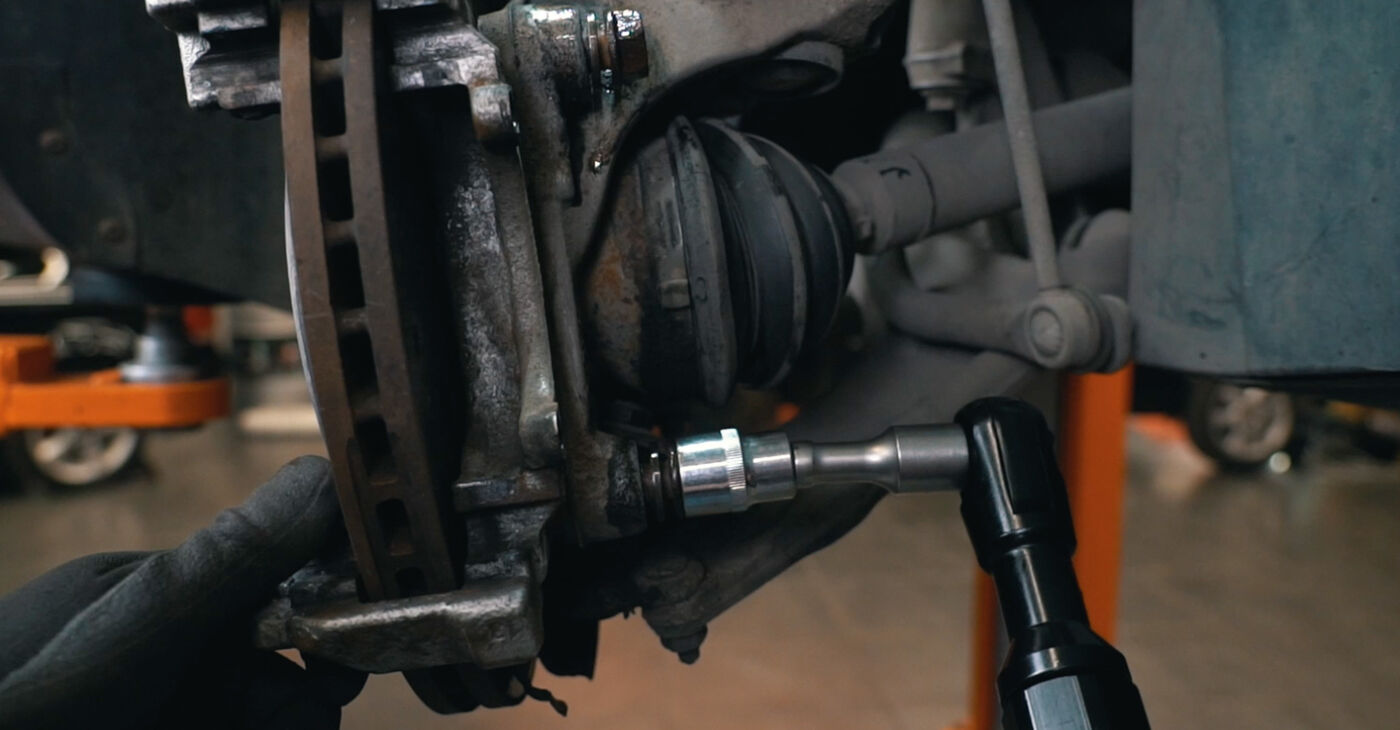 Clean and unscrew the bracket fasteners
 - 23.
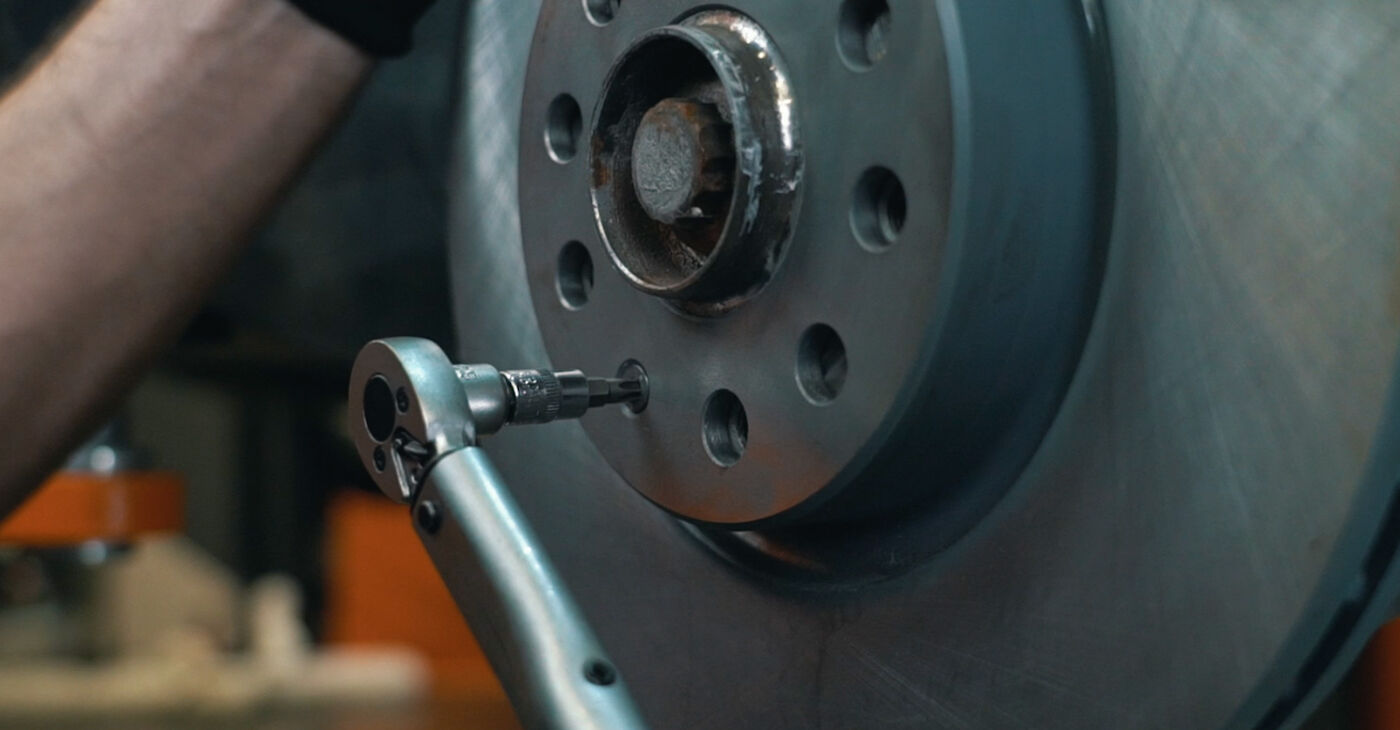
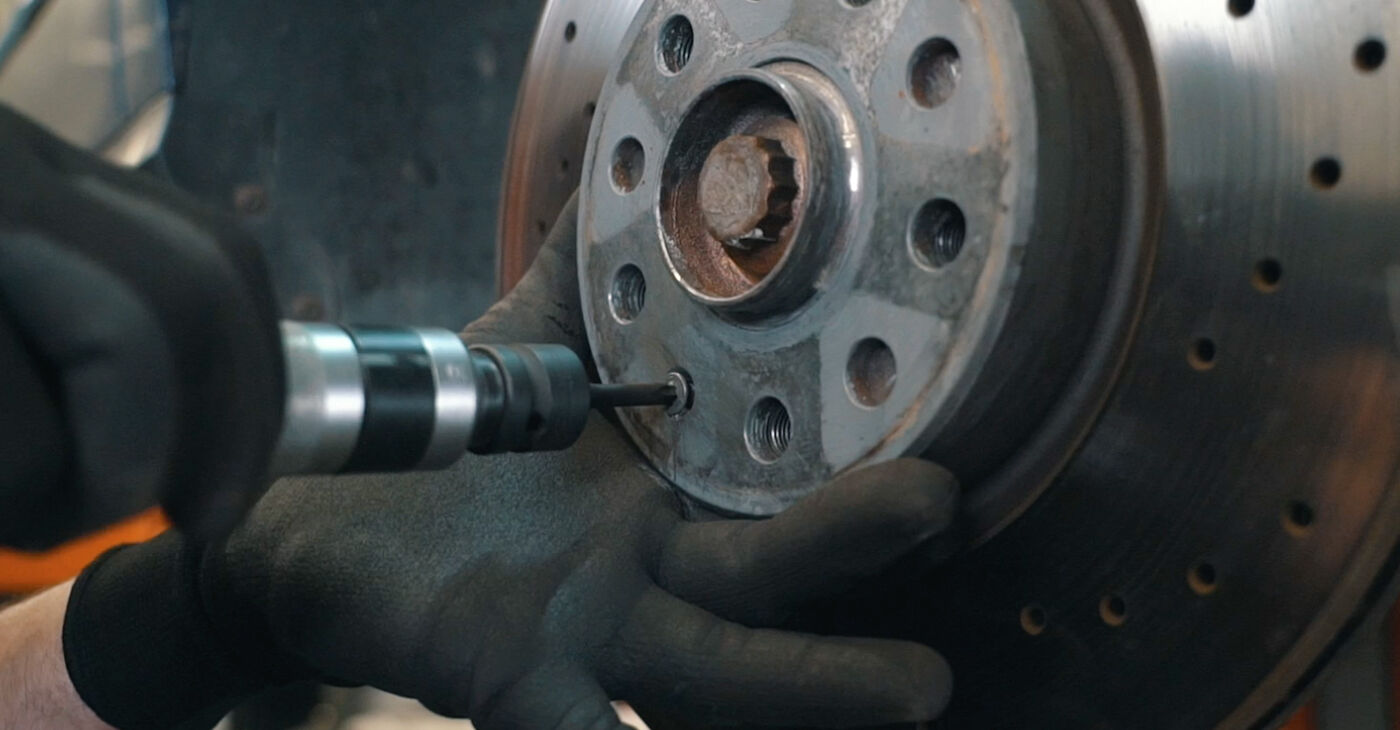 Clean and remove the fasteners that connect the brake disc to the wheel hubPlease note!On some cars, the brake discs have no fasteners and are pressed against the wheel hub by the wheel rims
 - 24.In this is the case, screw in at least one wheel fastener before removing the bracket to prevent the brake disc from falling25.
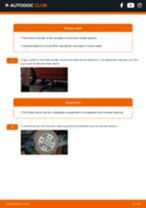
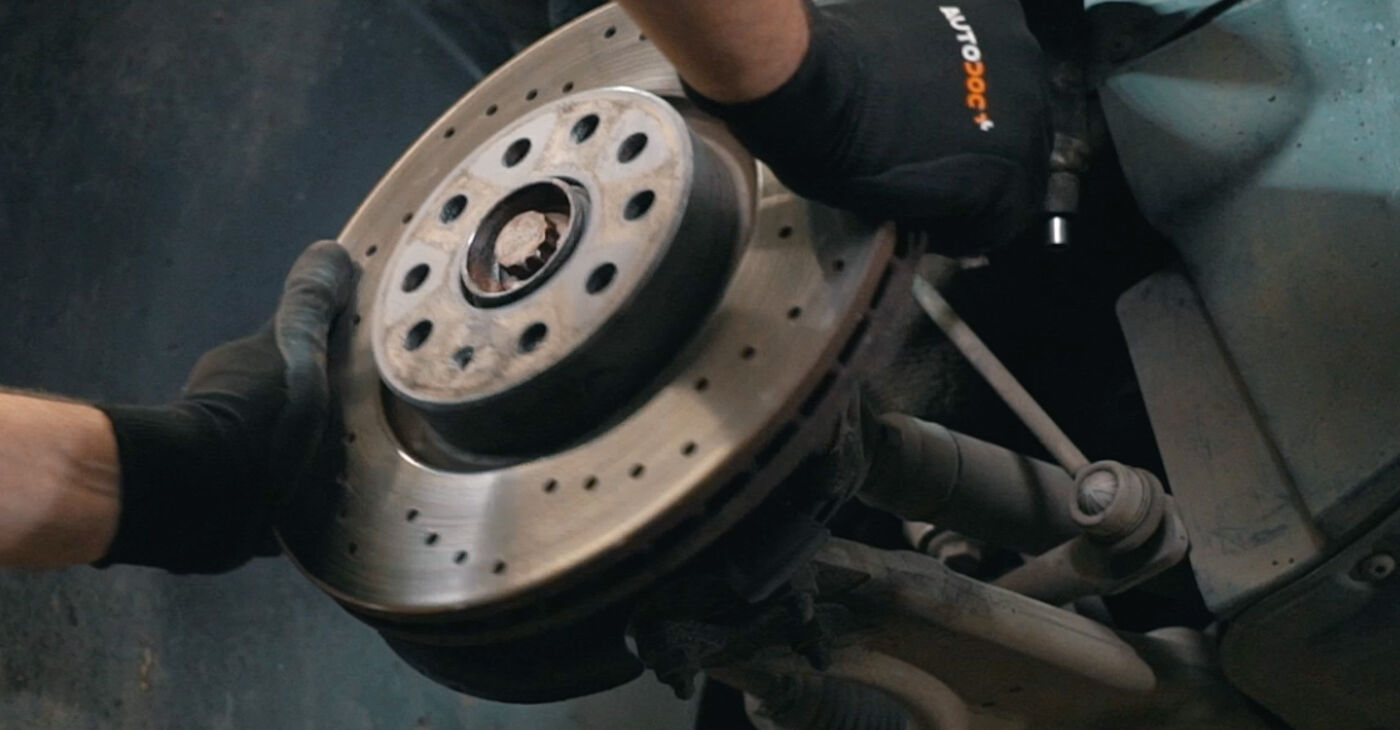 Remove the brake disc
 - 26.
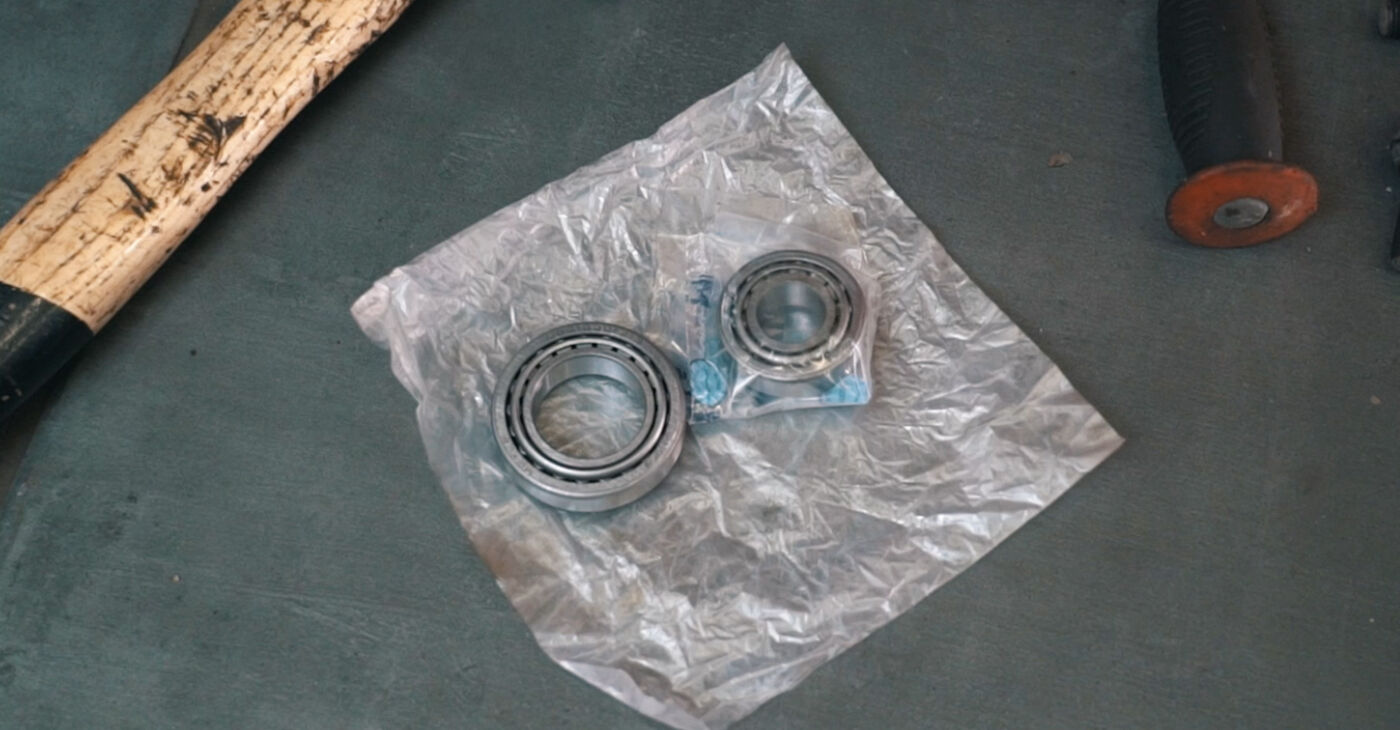 On many cars, the brake discs have an integrated wheel bearing
 - 27.This means that to remove the disc, it's necessary, among other things, to unscrew the fastener of the bearing28.You can buy brake discs with integrated bearings and install them as they are29.
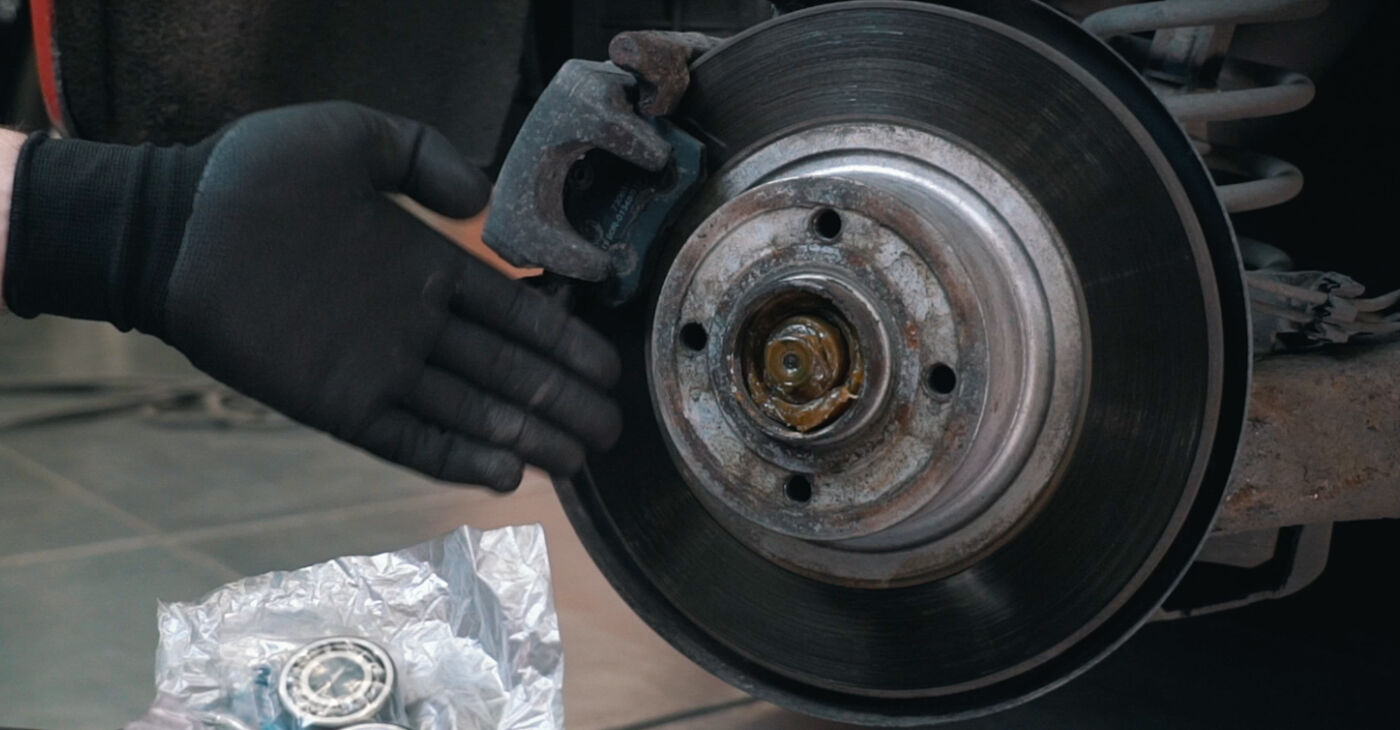 Alternatively, you’ll need to perform an additional job pressing new bearings into your new brake discs
 - 30.
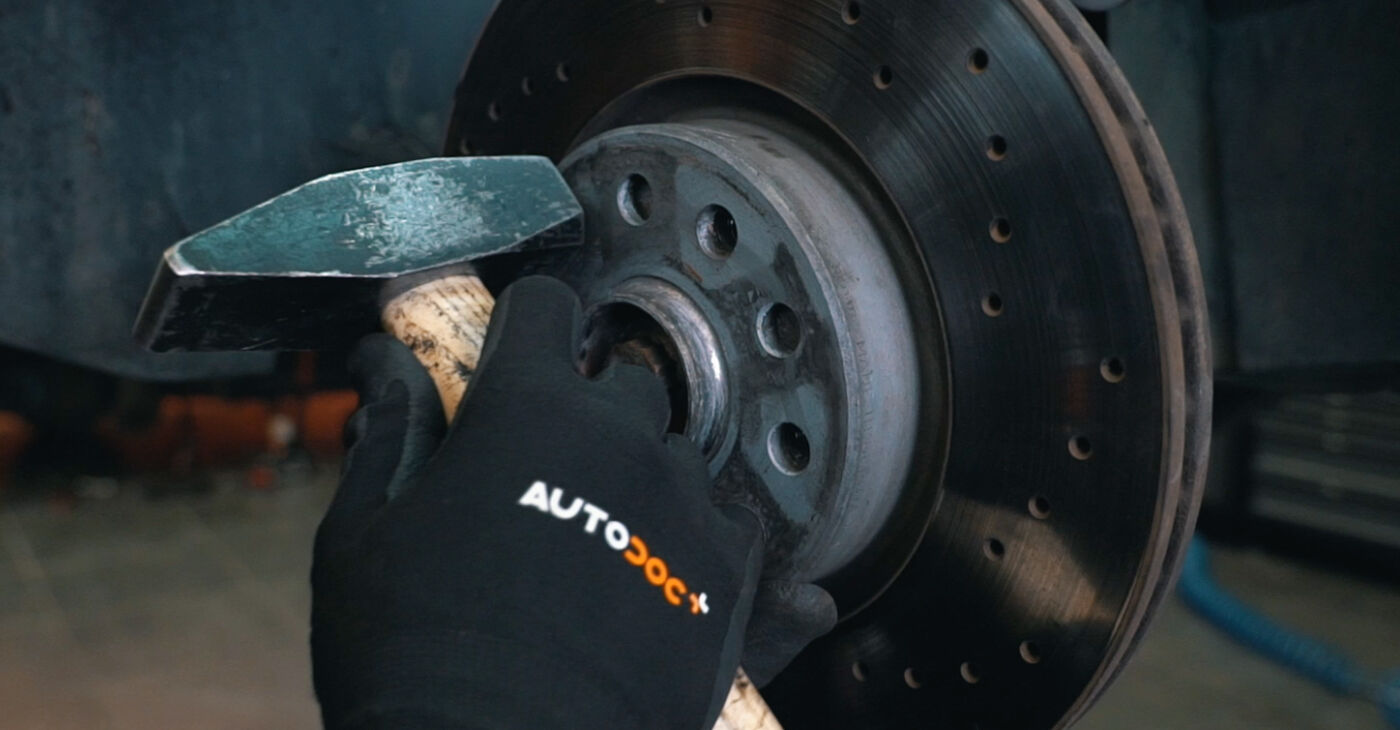 If the brake disc fasteners are difficult to remove, use an impact screwdriverPlease note!The brake disc might be stuck to the hub, making it difficult to remove
 - 31.
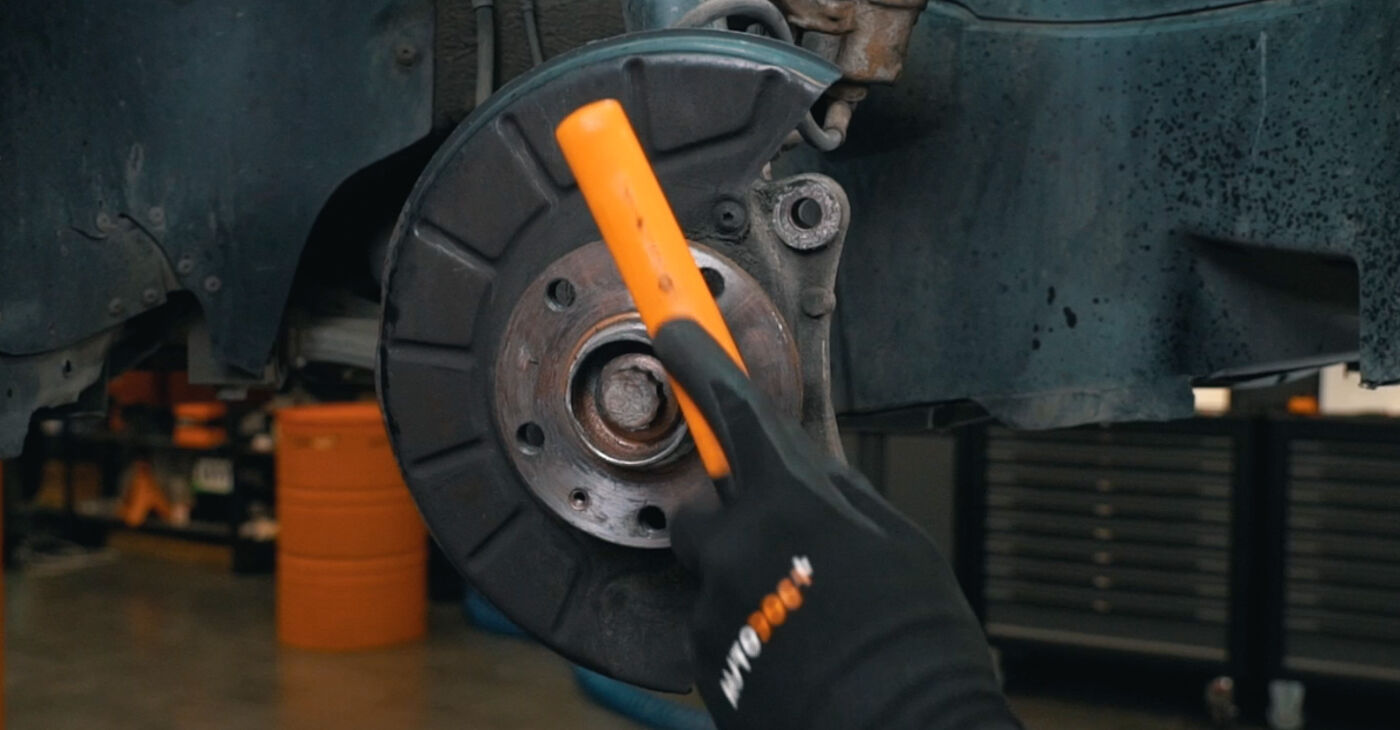
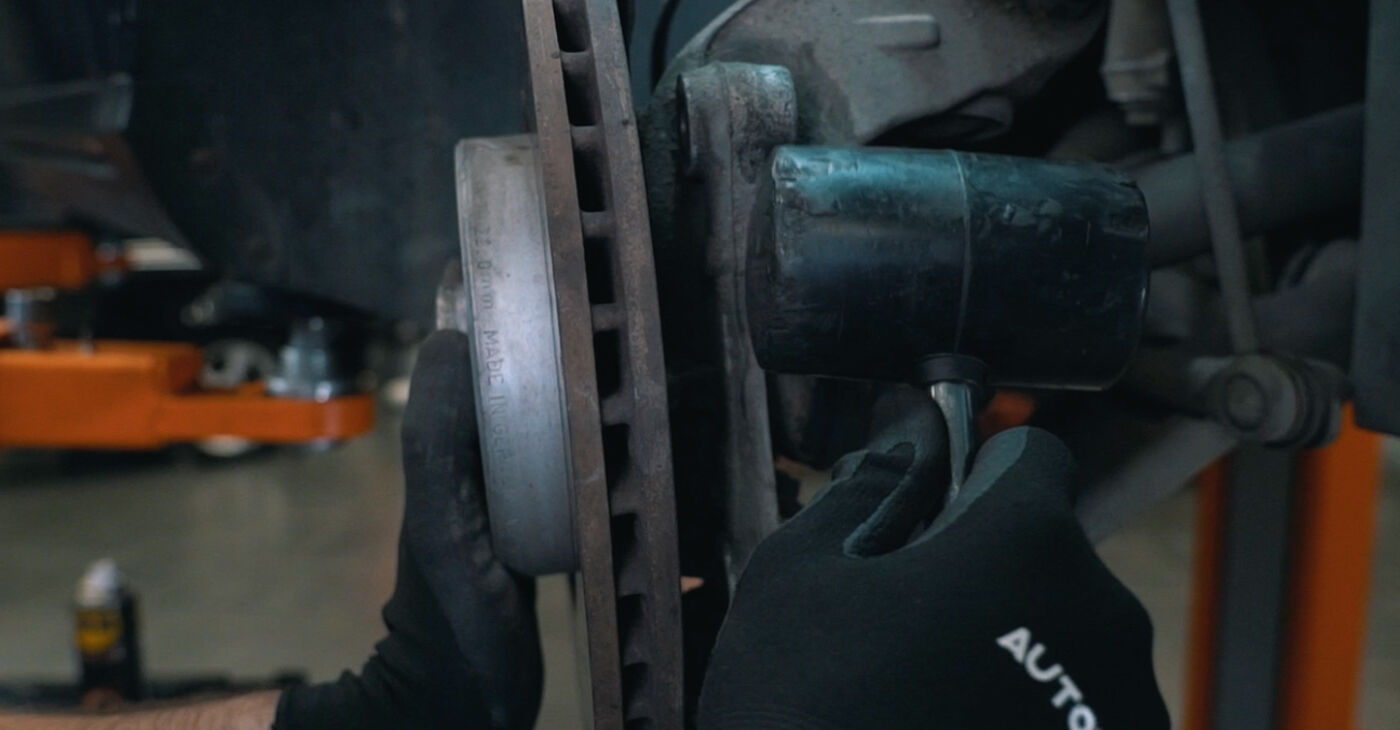 If necessary, use a rubber mallet to hit the back of the disc lightlyCaution!Hold the brake disc firmly
 - 32.
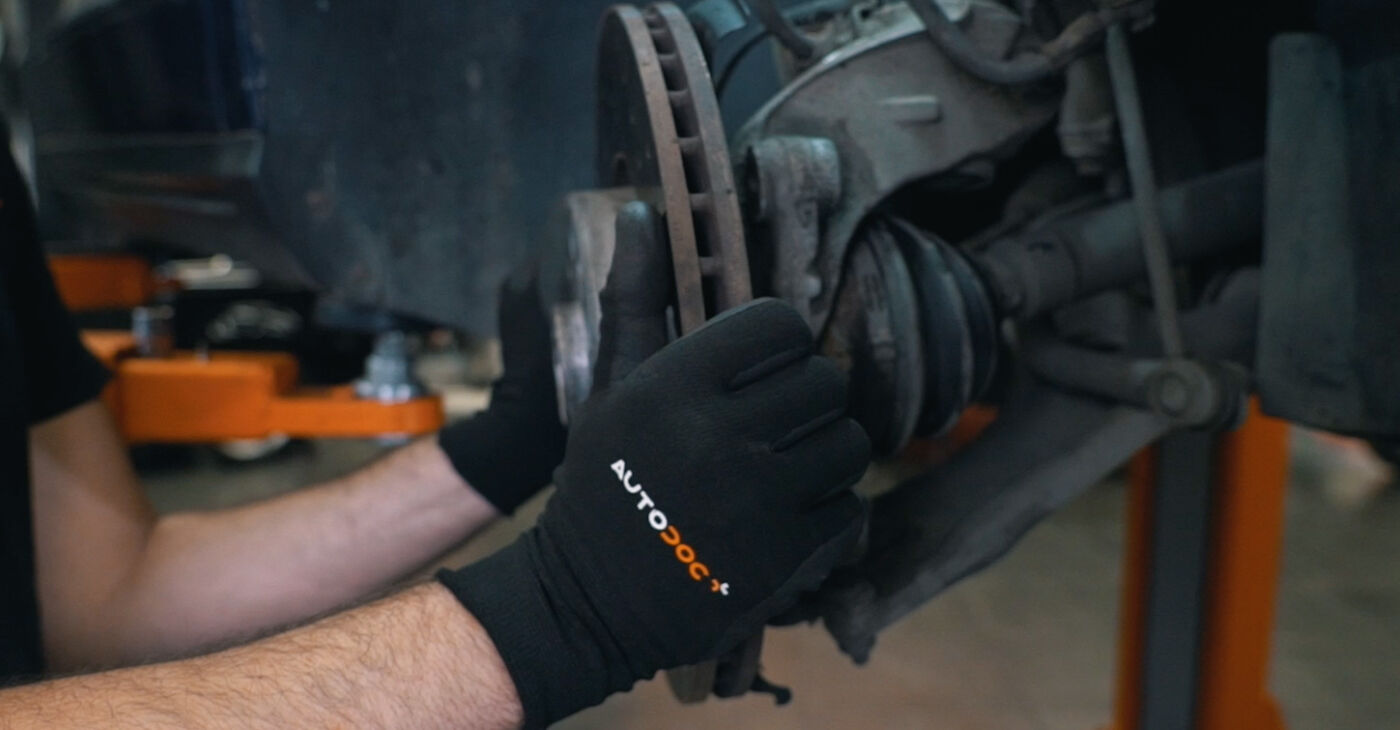 After a few taps with the mallet, turn the brake disc together with the hub and repeat the steps
 - 33.
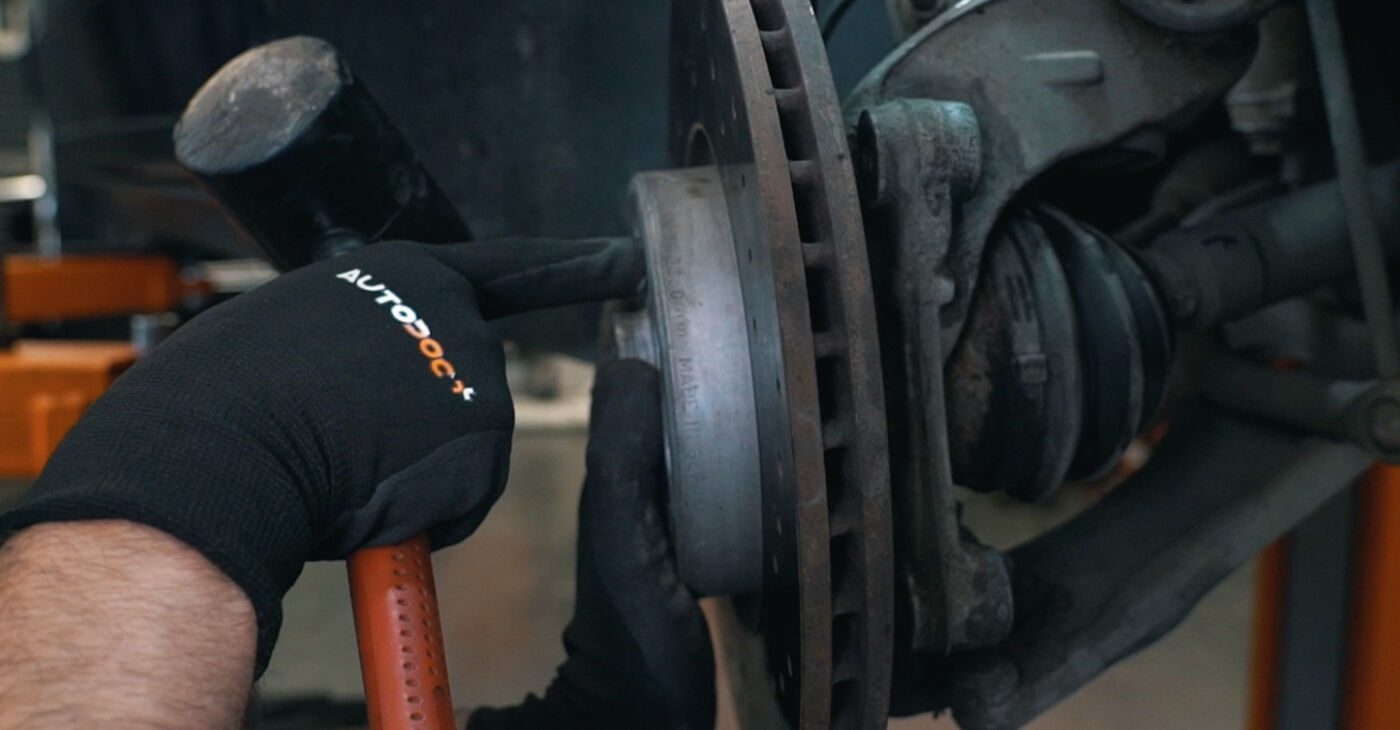 Tap the area where the brake disc contacts the hub with a hammer
 - 34.
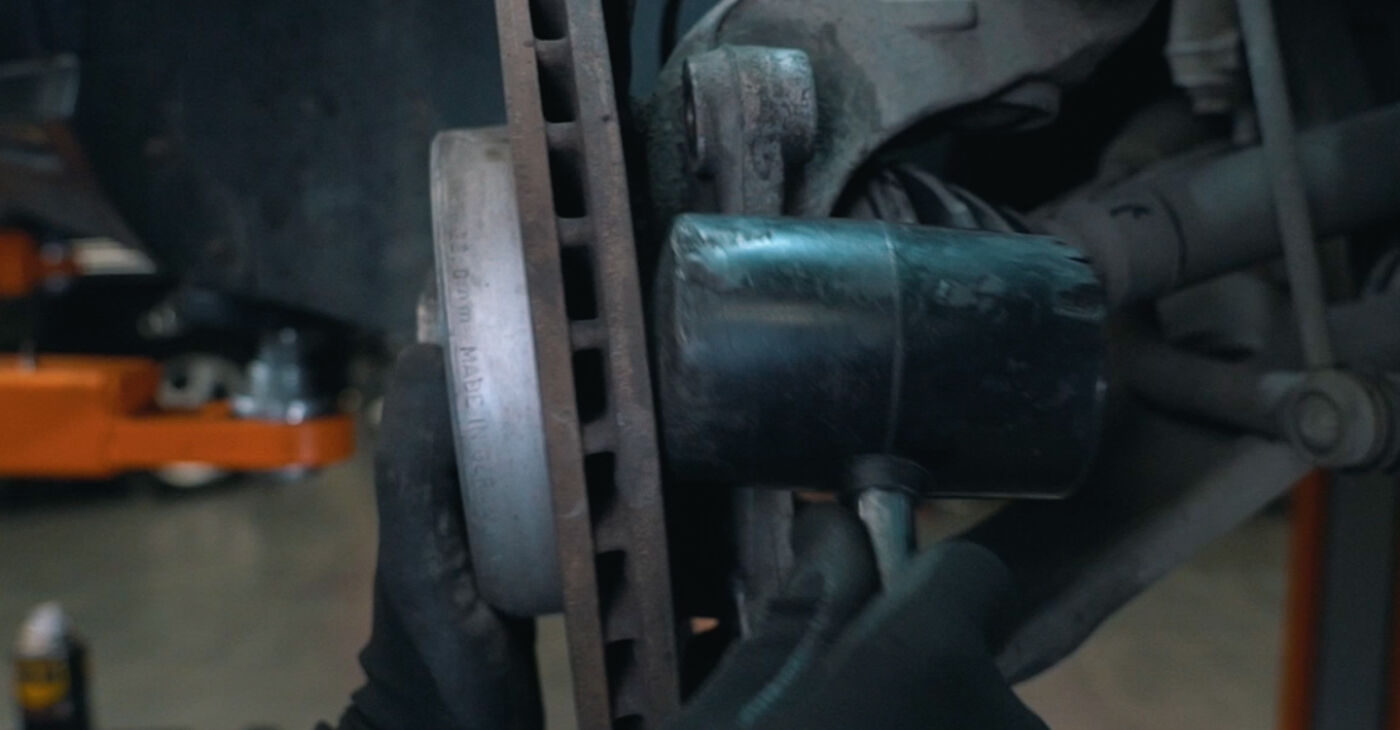 Hit it gently, just enough to create vibration without damaging the bearing
 - 35.
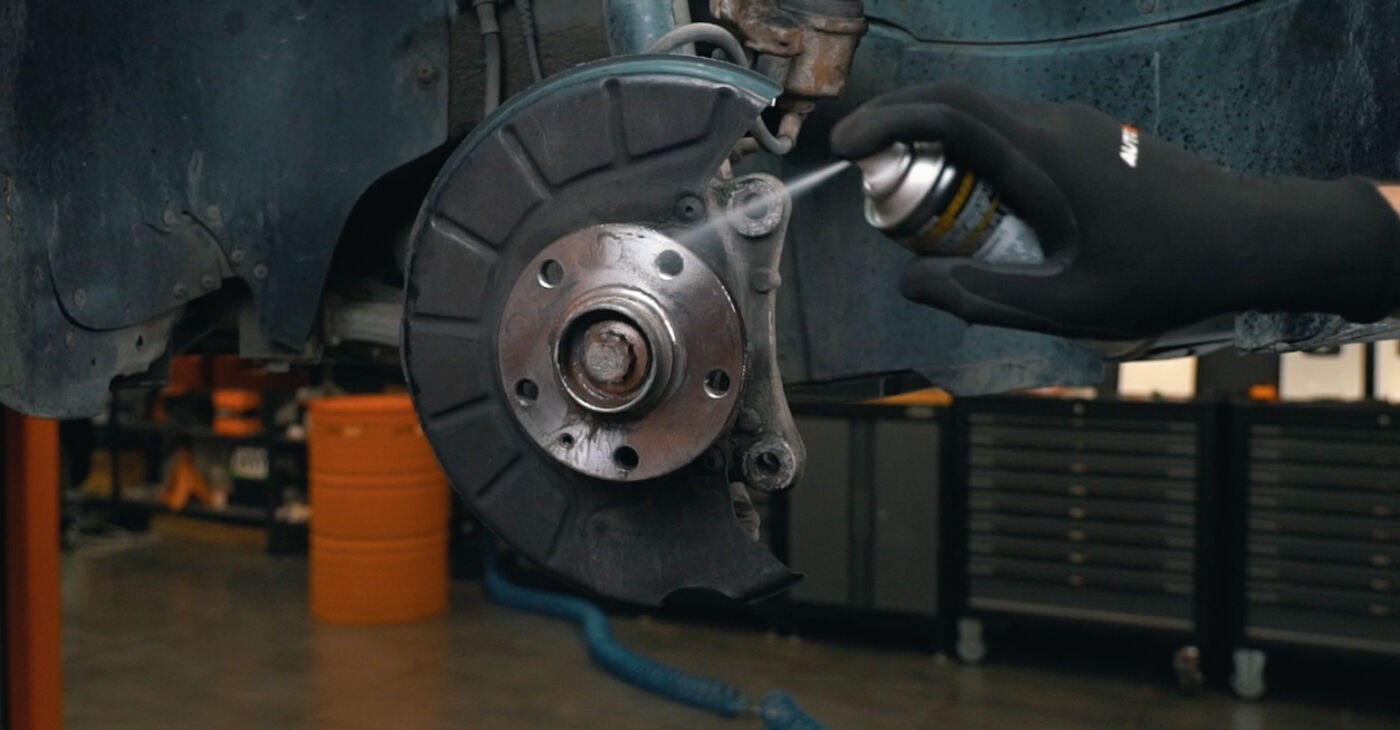
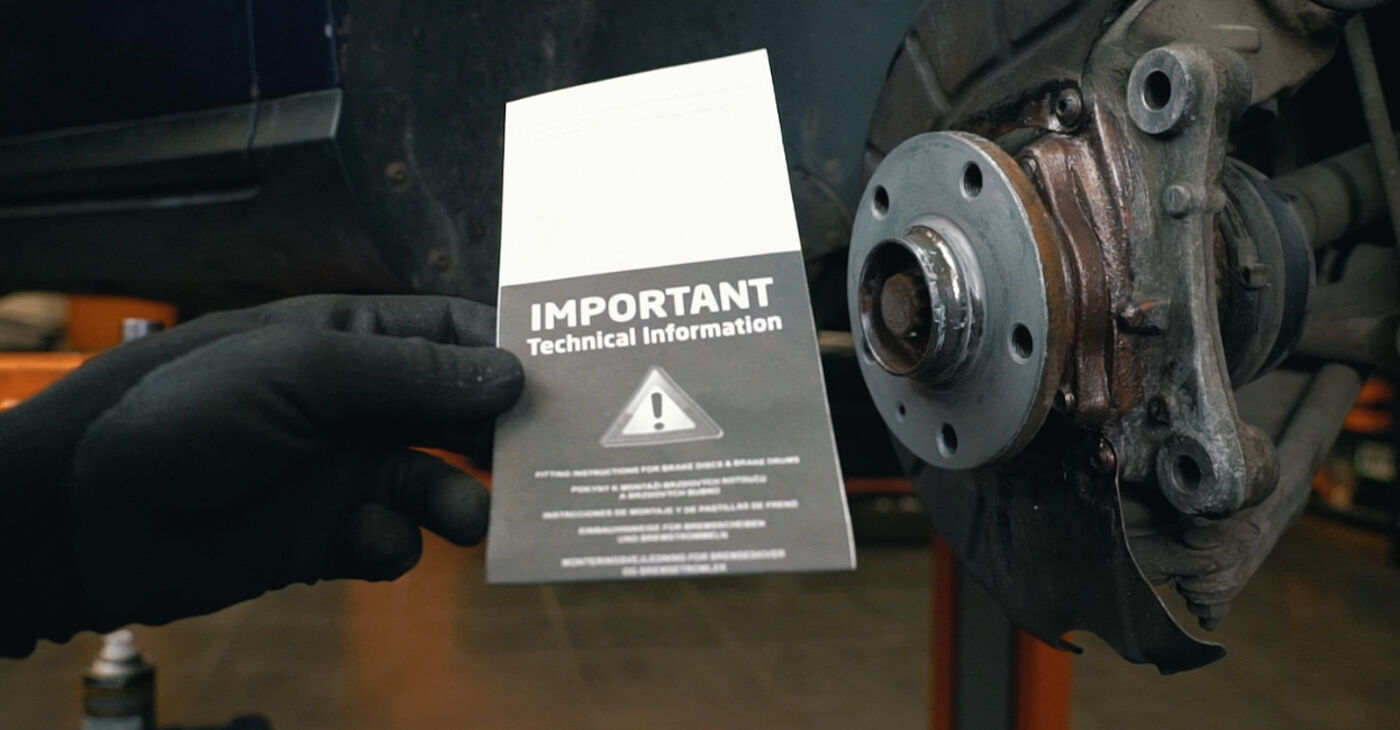
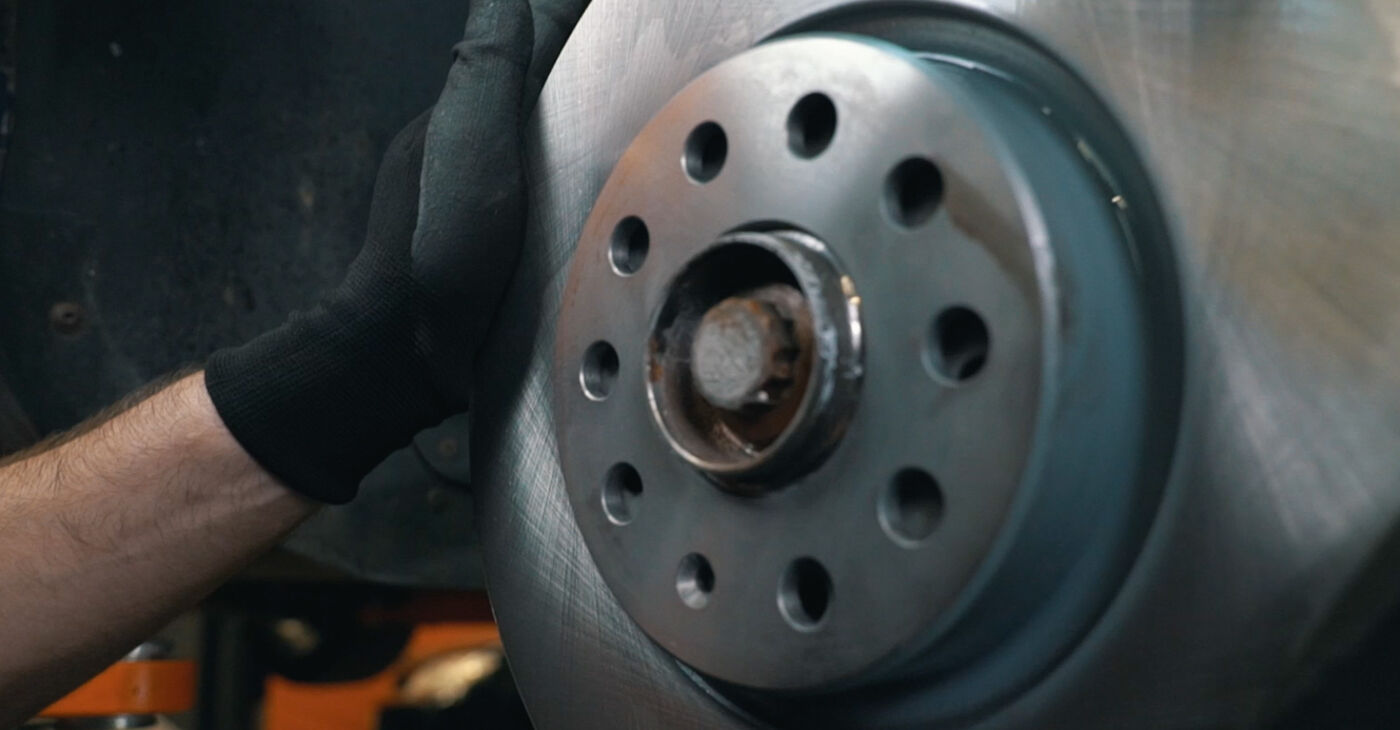
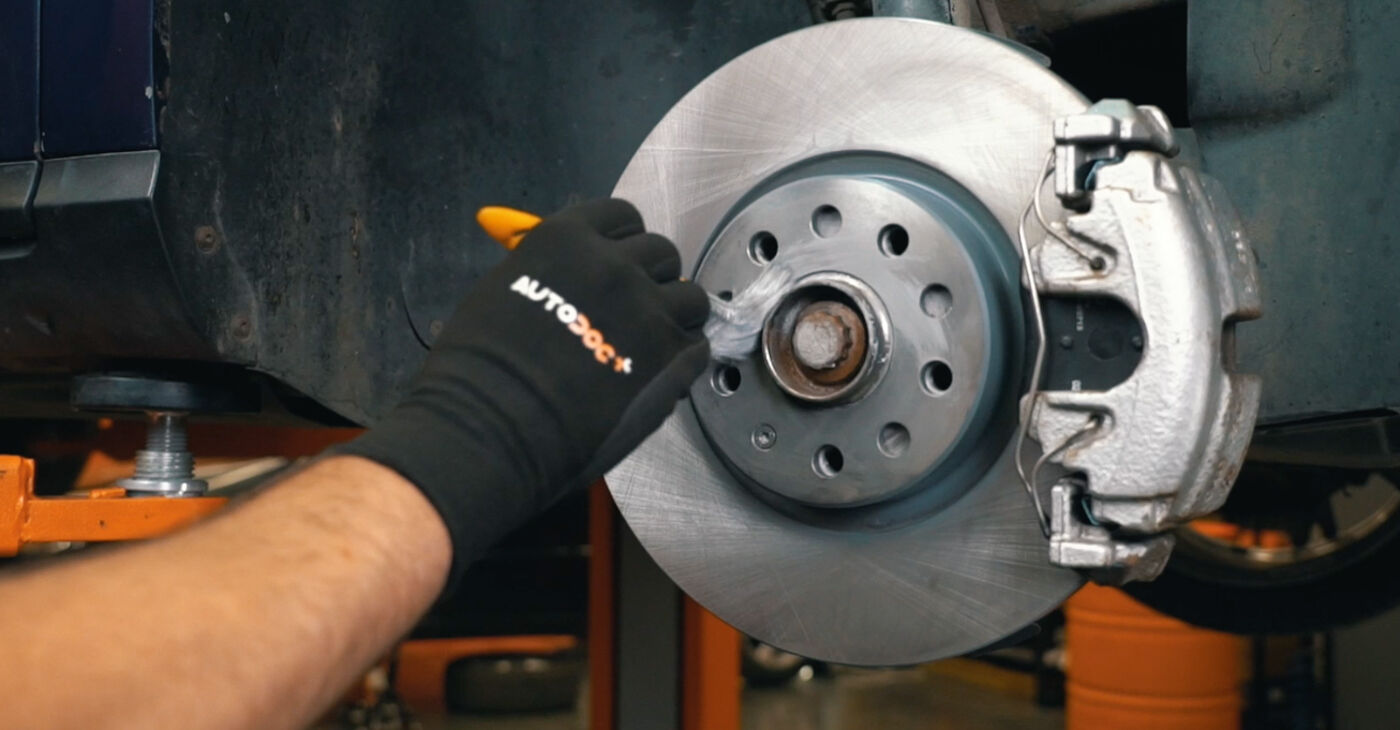
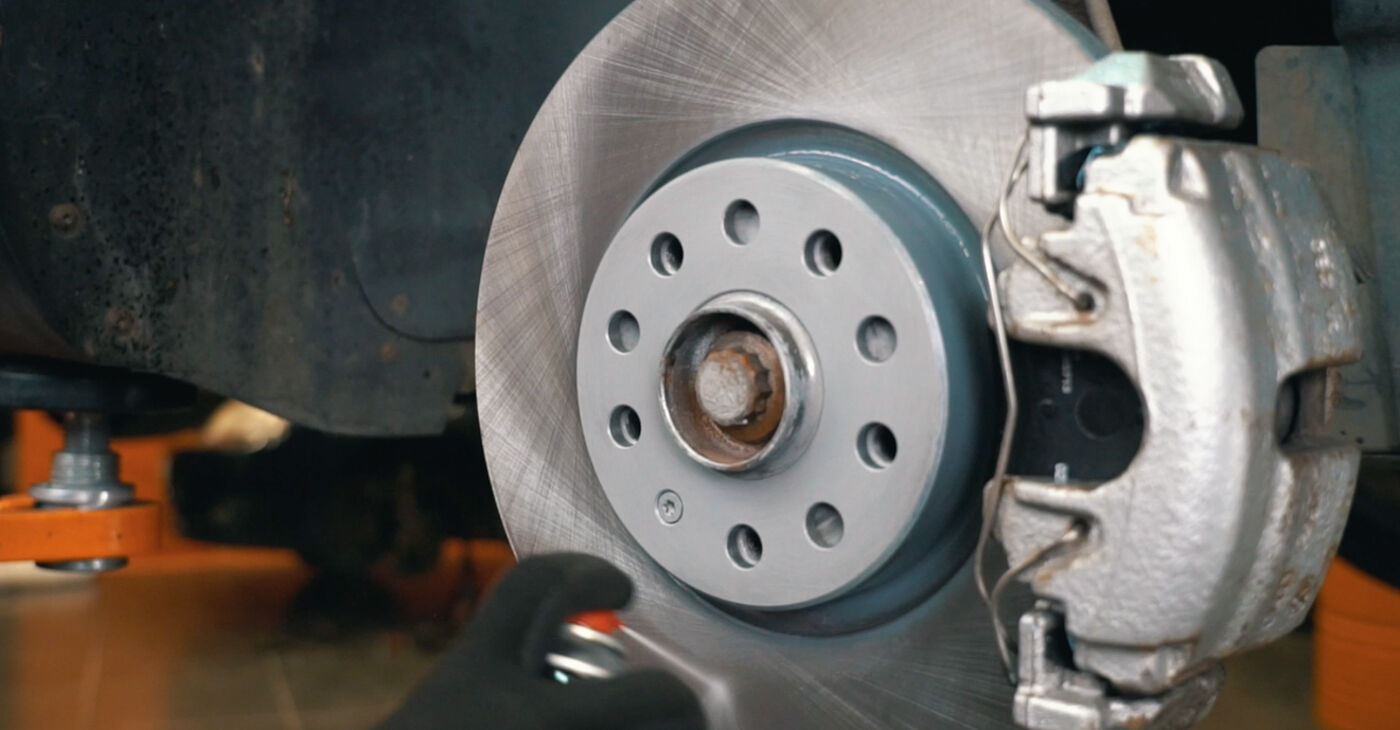
 Clean the surface of the wheel hub
Was this manual helpful?
Please rate this manual on a scale from 1 to 5. If you have any questions, feel free to ask us.
Users voted – 2

Unlock your car maintenance assistant!
Track expenses, manage logs, schedule replacements, and more.
Popular Brake System maintenance tutorials
 Free download PDF
 1.64 MB
 Free download PDF2.84 MB
 Free download PDF2.91 MB
 Free download PDF1.51 MB
 Free download PDF3.01 MB
 Free download PDF983.04 KB
 Free download PDF1.96 MB
 Free download PDF1.95 MB
 Free download PDF2.39 MB
Top auto repair manuals
 Free download PDF1.51 MB
 Free download PDF1.62 MB
 Free download PDF1.98 MB
 Free download PDF2 MB
 Free download PDF2.82 MB
 Free download PDF1.21 MB
 Free download PDF1.5 MB
 Free download PDF1.37 MB
 Free download PDF1.19 MB

























Time to replace parts? Get even better deals in our Shop app.

SCAN ME
thank you for your comment!
You can find this information in the vehicle maintenance log book.
best regards, autodoc team.