
Disclaimer

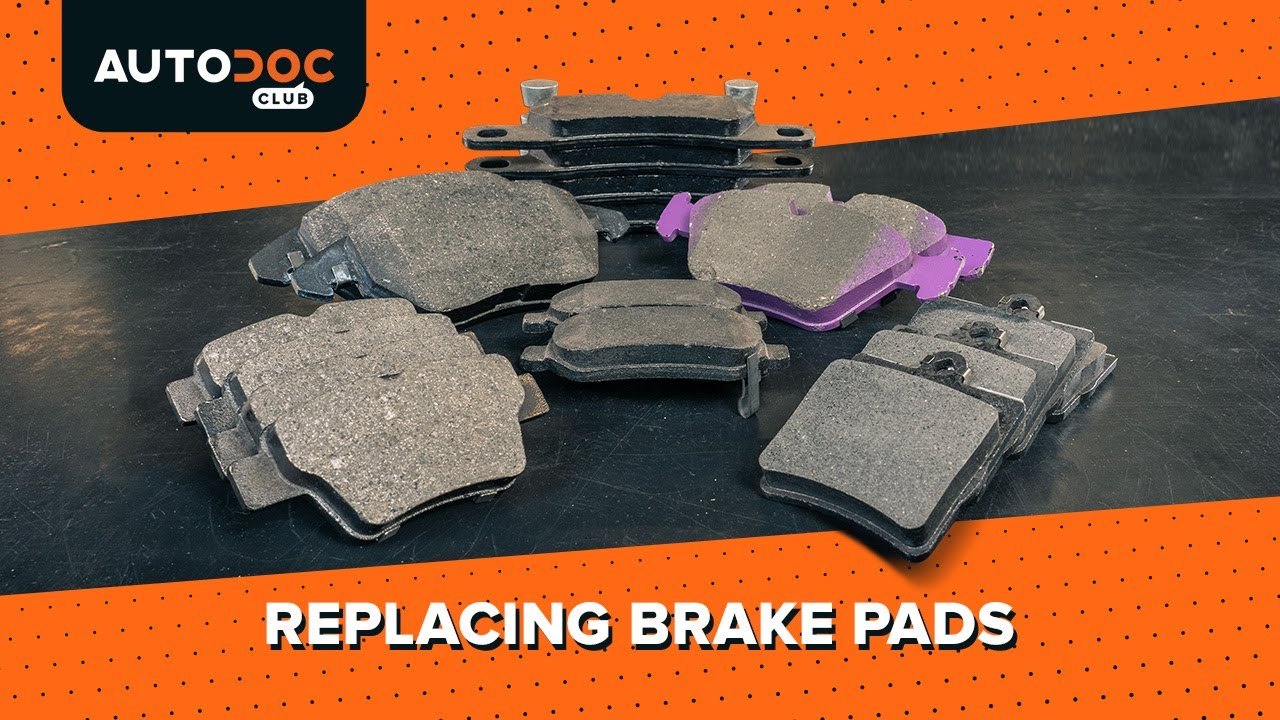
How to change brake pads on a car – replacement tutorial
downloads:
2764
Views:
19771


How to change brake pads on a car [AUTODOC TUTORIAL]
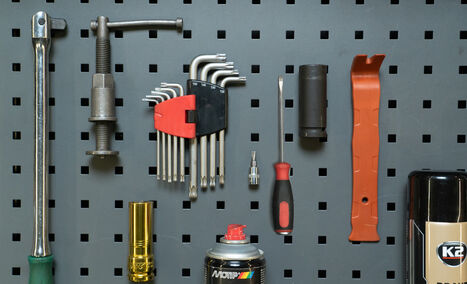
Flat screwdriver
Tap wrench
Torx wrench
Torx bit
Wheel impact socket
Impact socket
Ceramic grease
Brake cleaner
Jack
Brake caliper wind back tool

Reasons for replacing brake pads:
- wear
- abnormal noise when braking
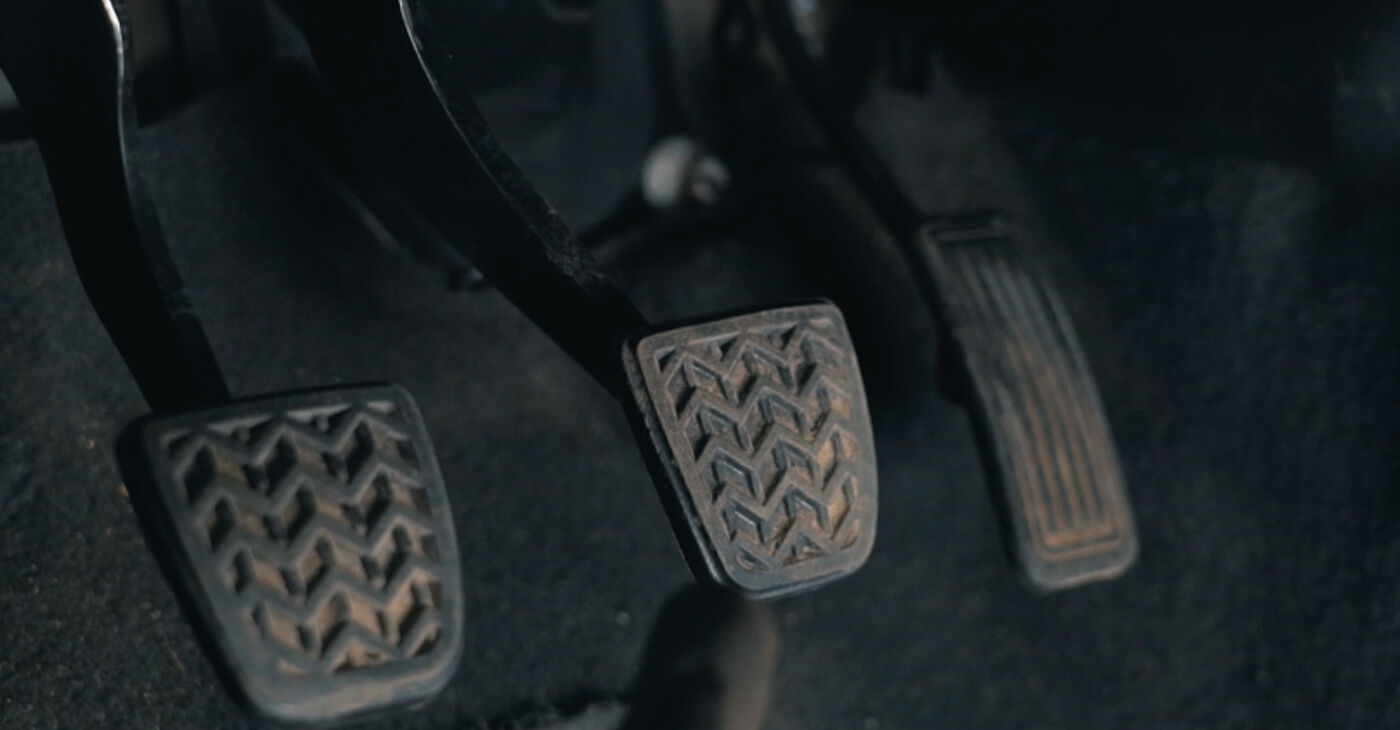
- reduced braking efficiency
- 1.
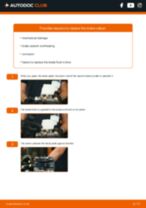
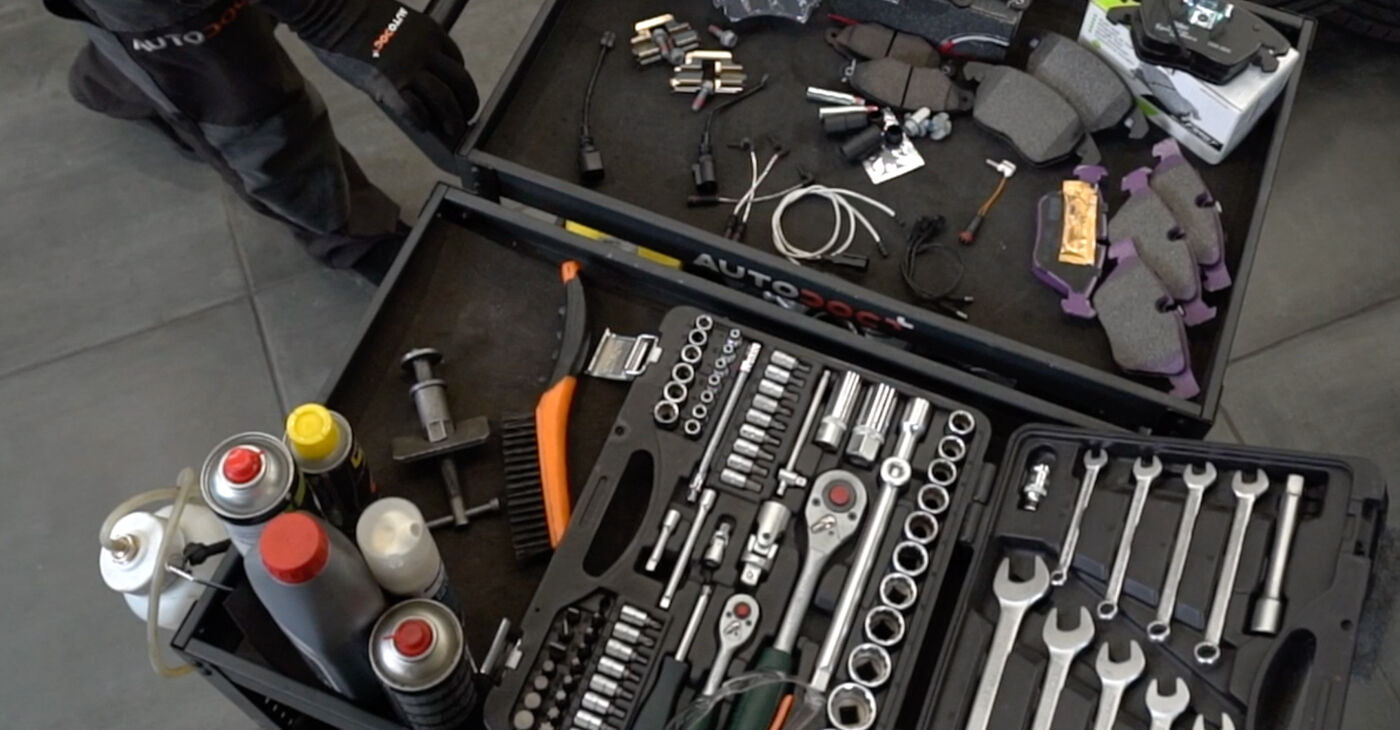 Prepare the appropriate tools and new brake padsAUTODOC recommends:Be sure to replace brake pads as a set on an axleThe procedure for replacing the front and rear brake pads is almost identical
 - 2.
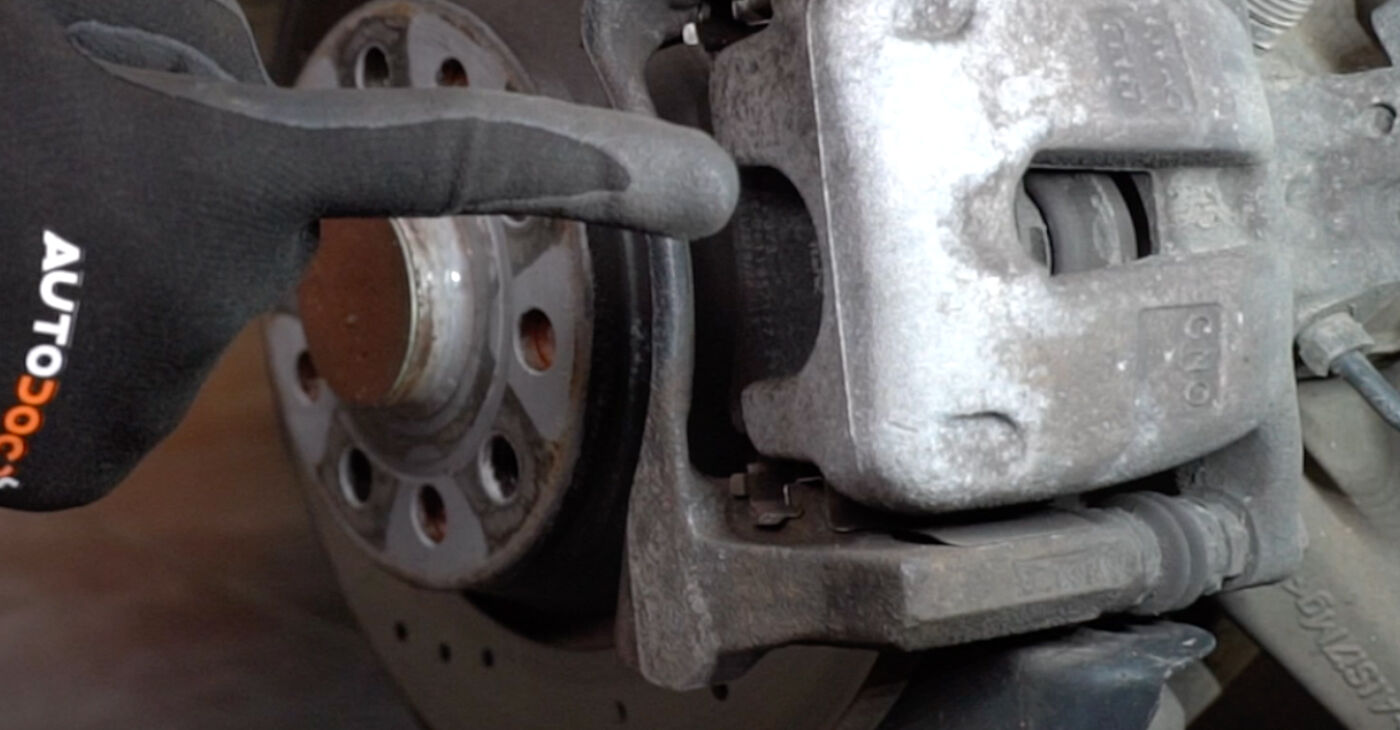 The rear brake calipers may be equipped with a parking brake mechanism
 - 3.
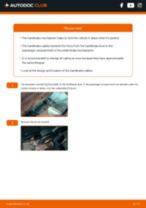
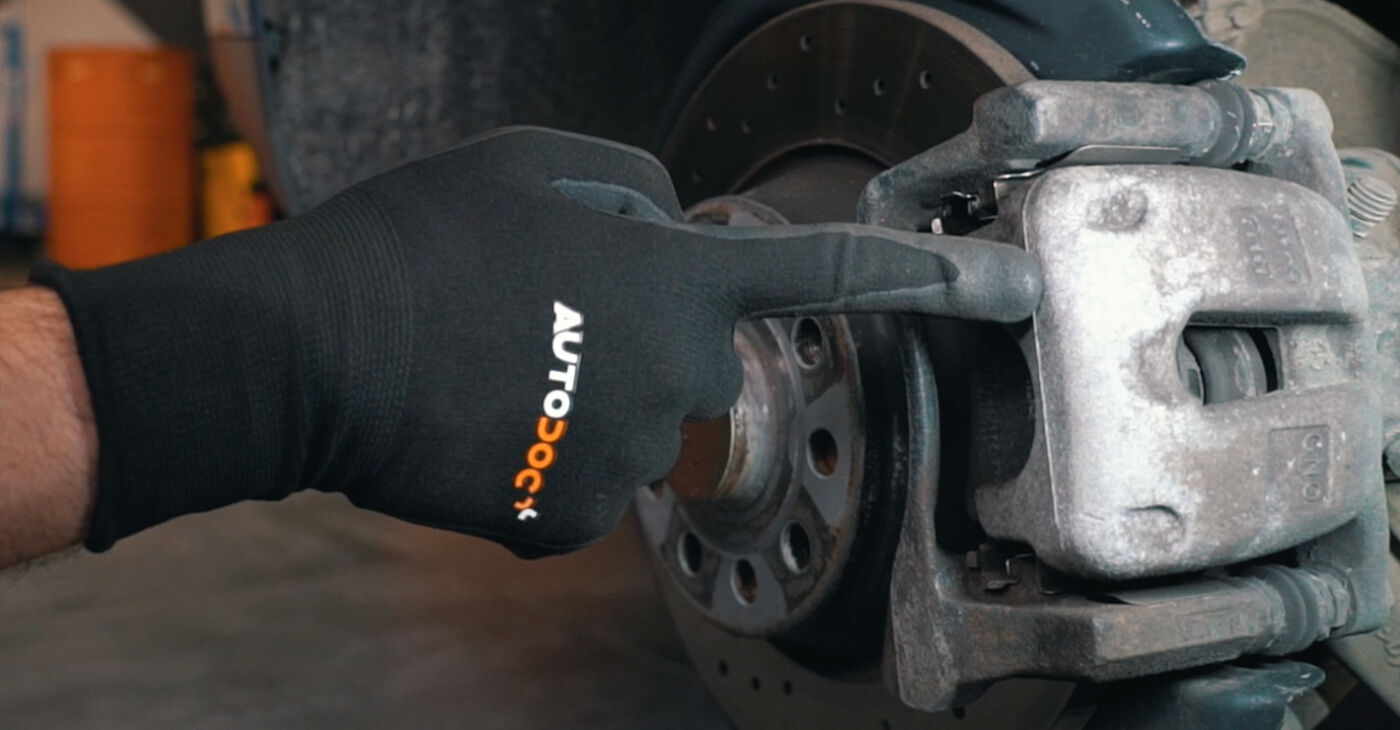 If it is mechanically driven by a cable, detach the cable before replacing the brake pads
 - 4.
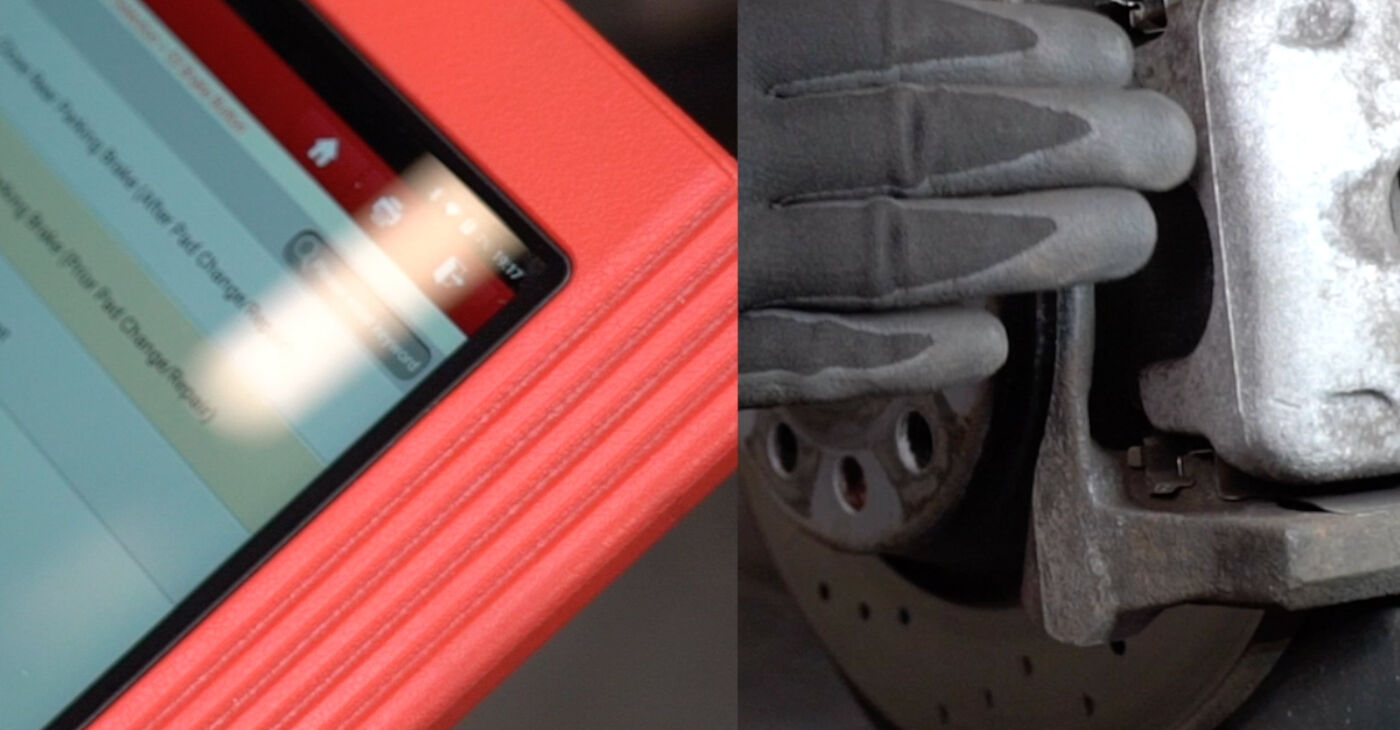 If it is electrically actuated, set the system to the service mode
 - 5.
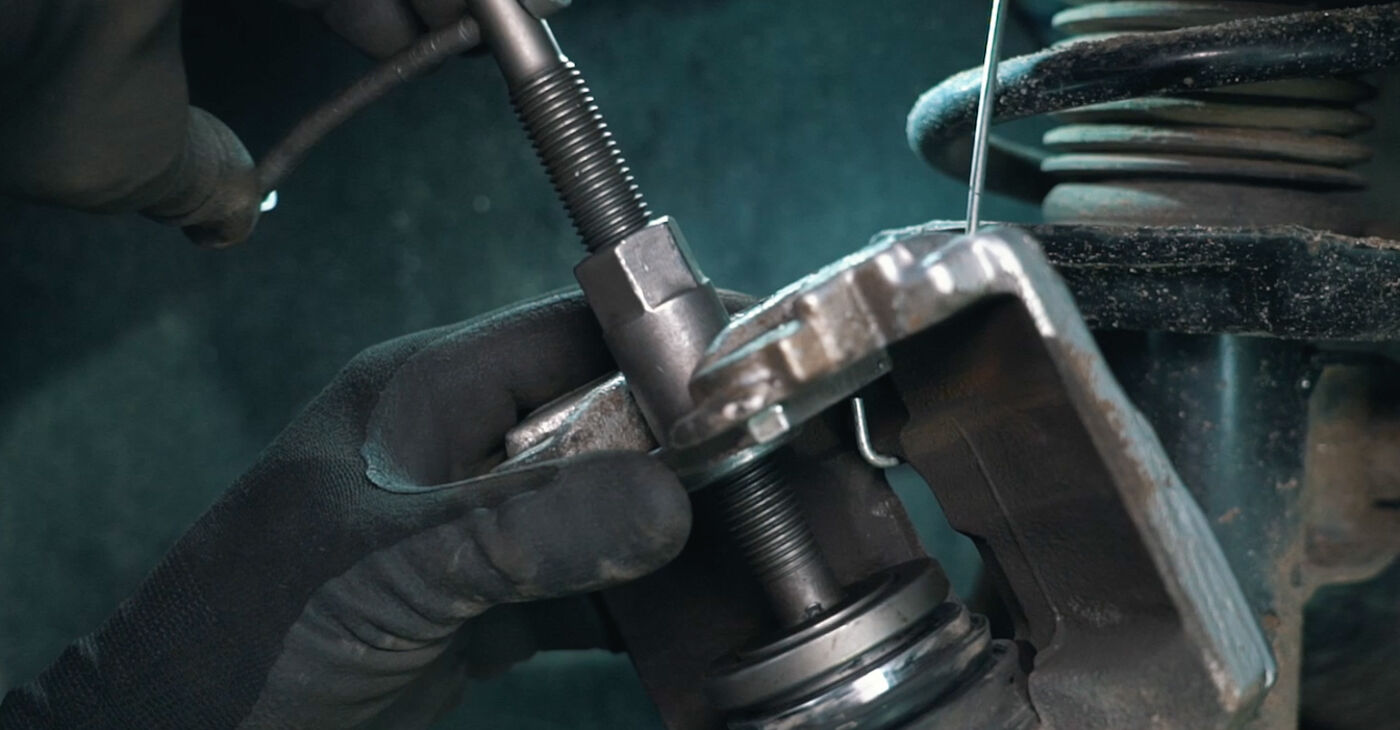
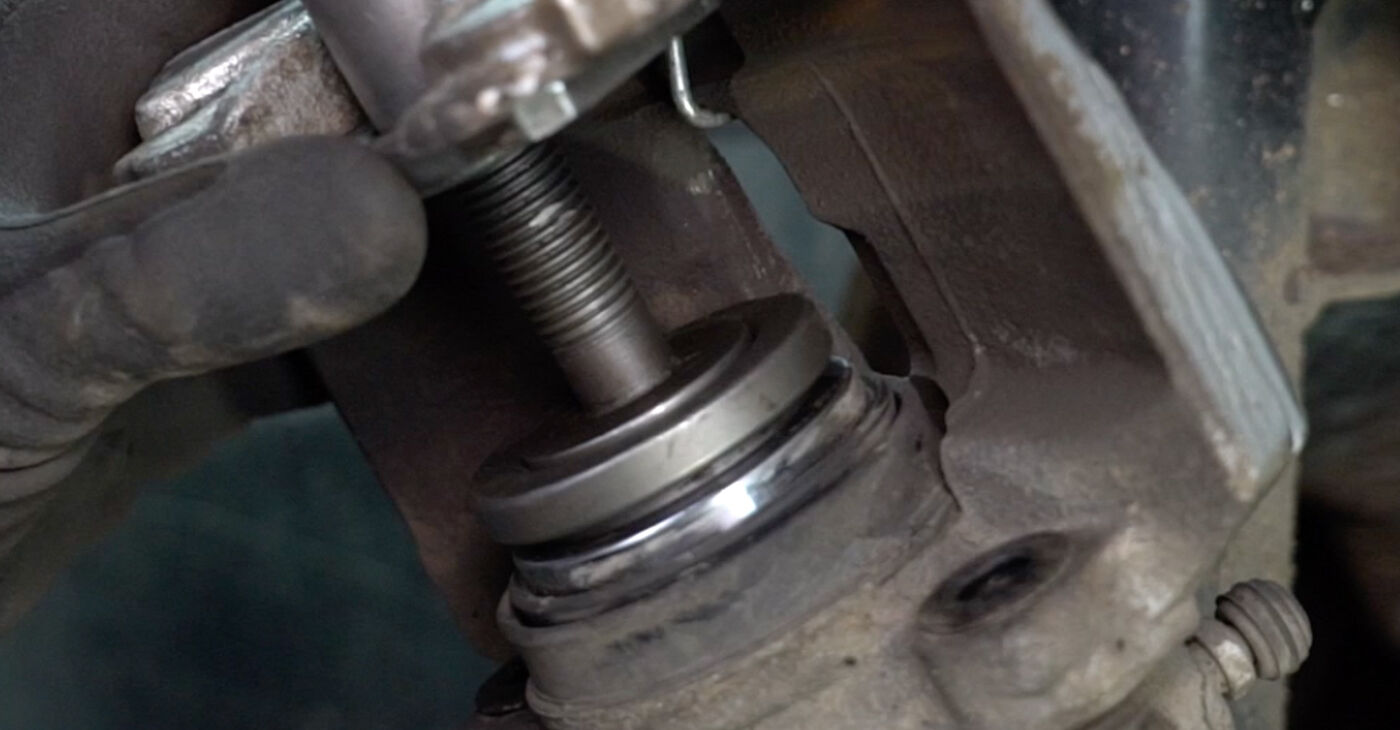 When replacing the brake pads, the brake caliper pistons should be wound back into the caliper body
 - 6.
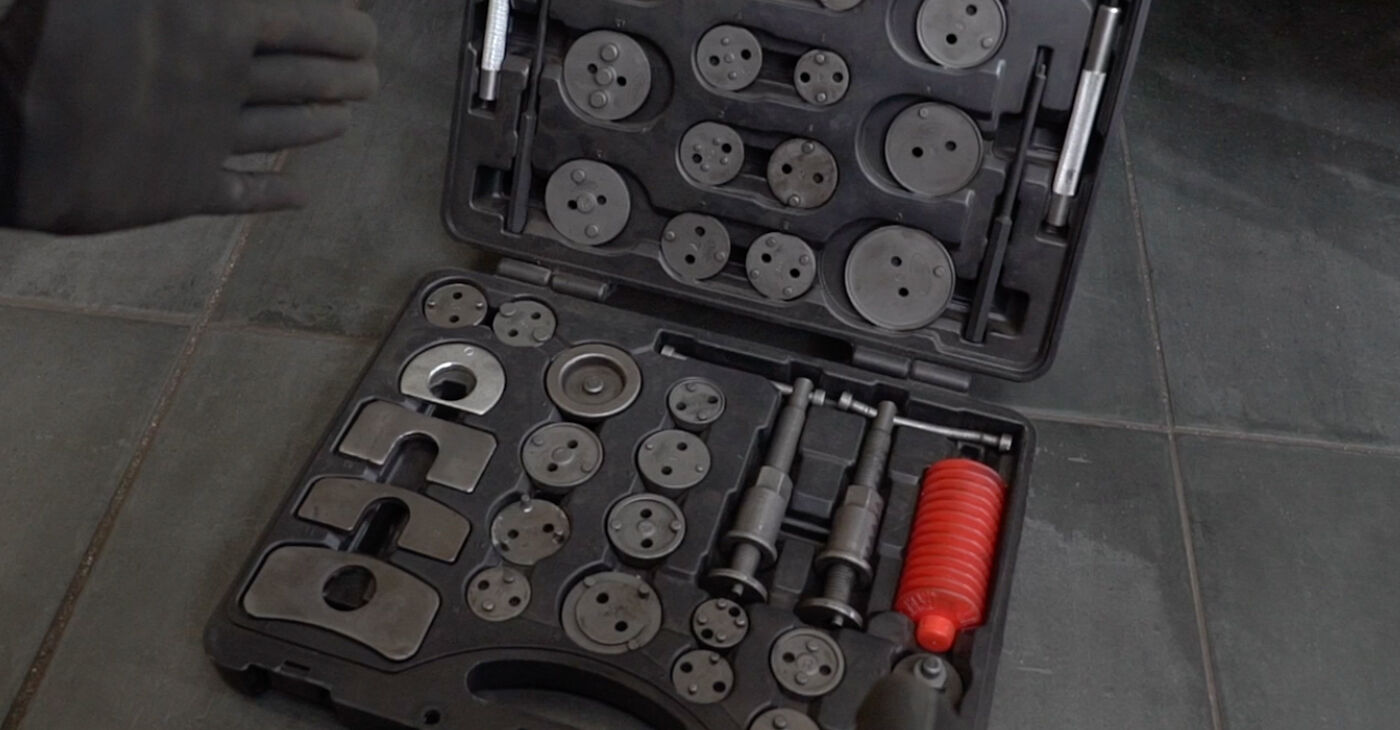 If the rear brake calipers are equipped with a parking brake mechanism, their pistons also need to be turned while being wound back. Use a special tool with adapters
 - 7.
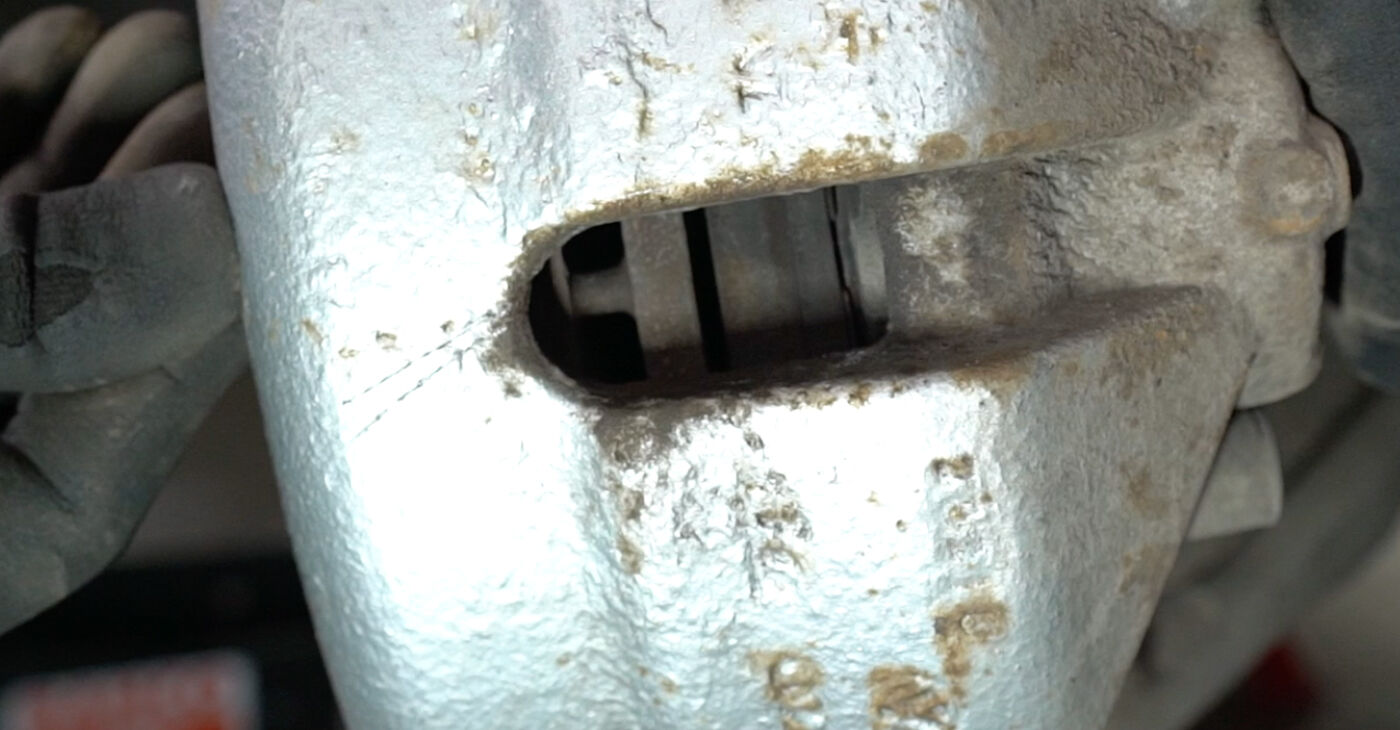 The most common design is a floating type caliper
 - 8.
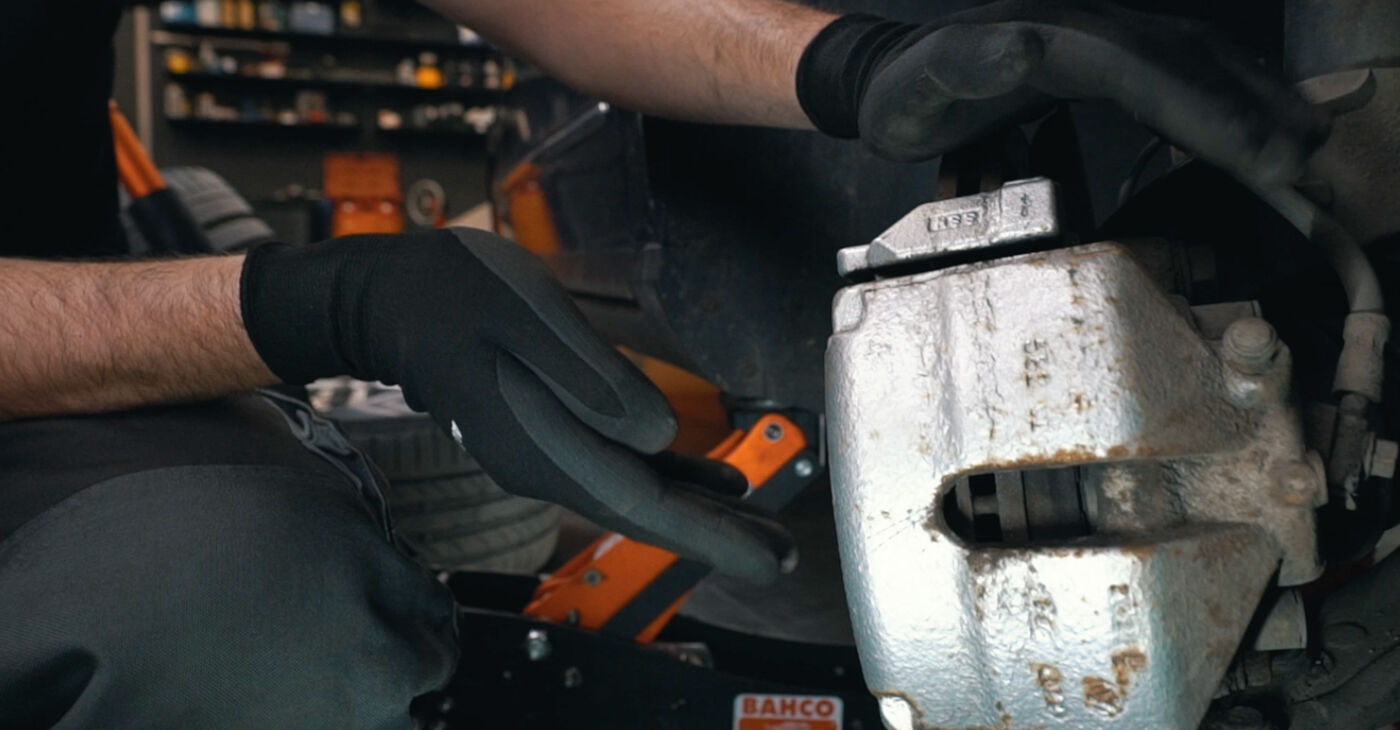 It has to be removed before replacing the brake padsPlease note!Take into account that there are brake calipers with two or more pistons
 - 9.
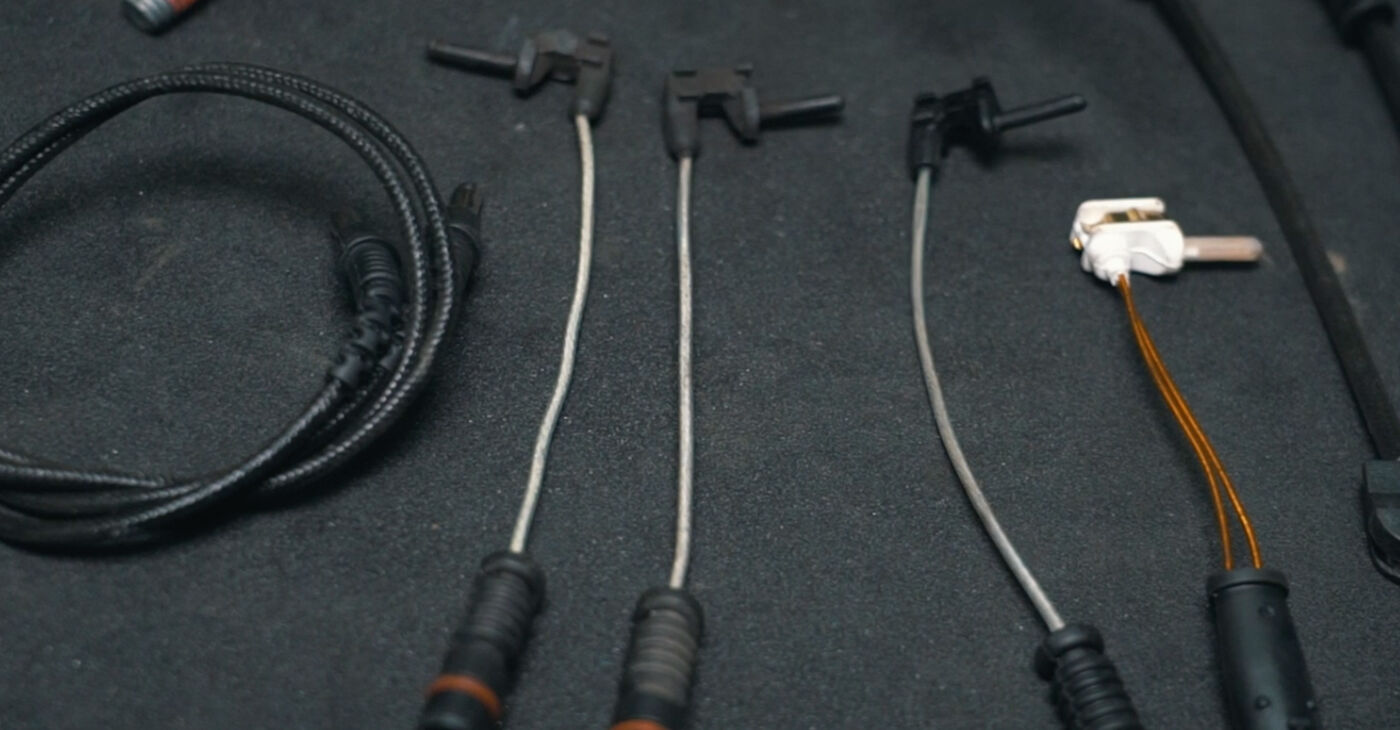 The brake pad wear sensor indicates when the brake pads need to be replaced
 - 10.
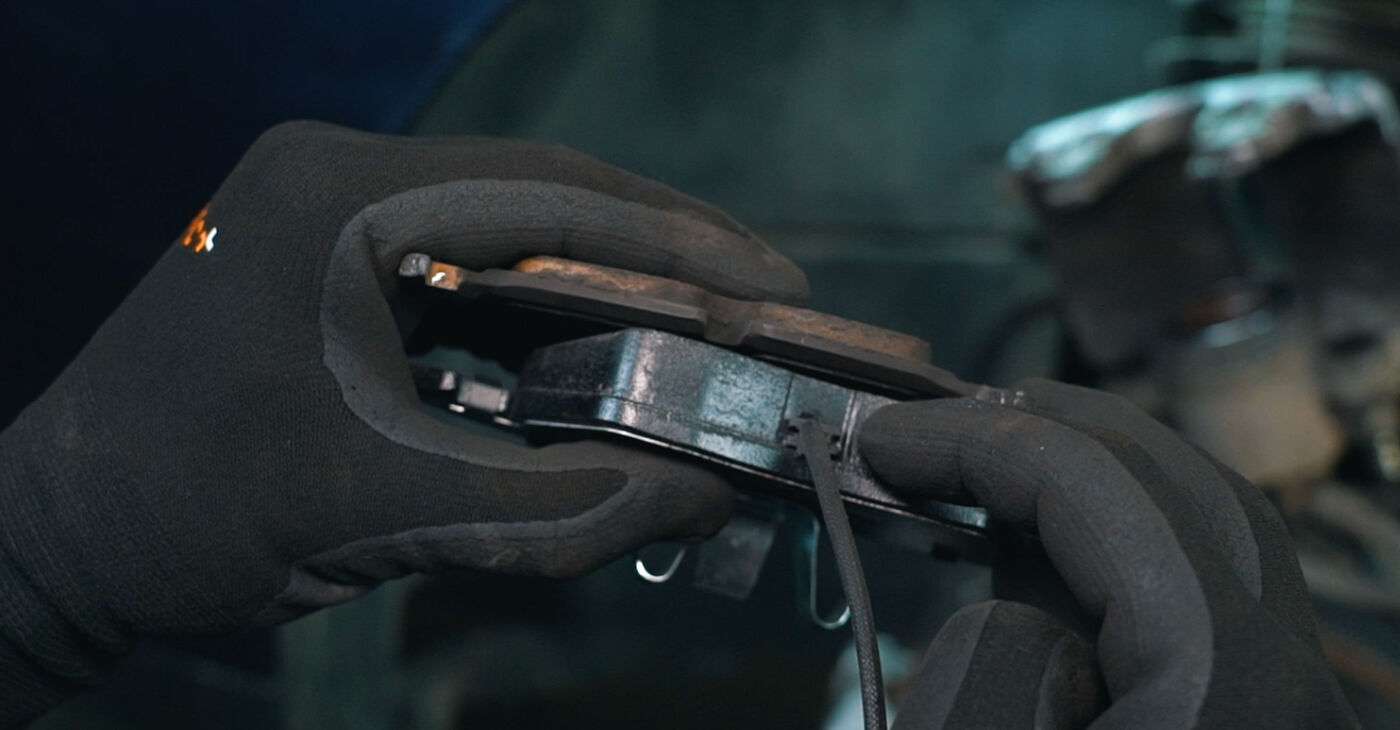 When the brake pads are worn, the wear sensor's contact closes and a corresponding signal is sent to the on-board computer
 - 11.
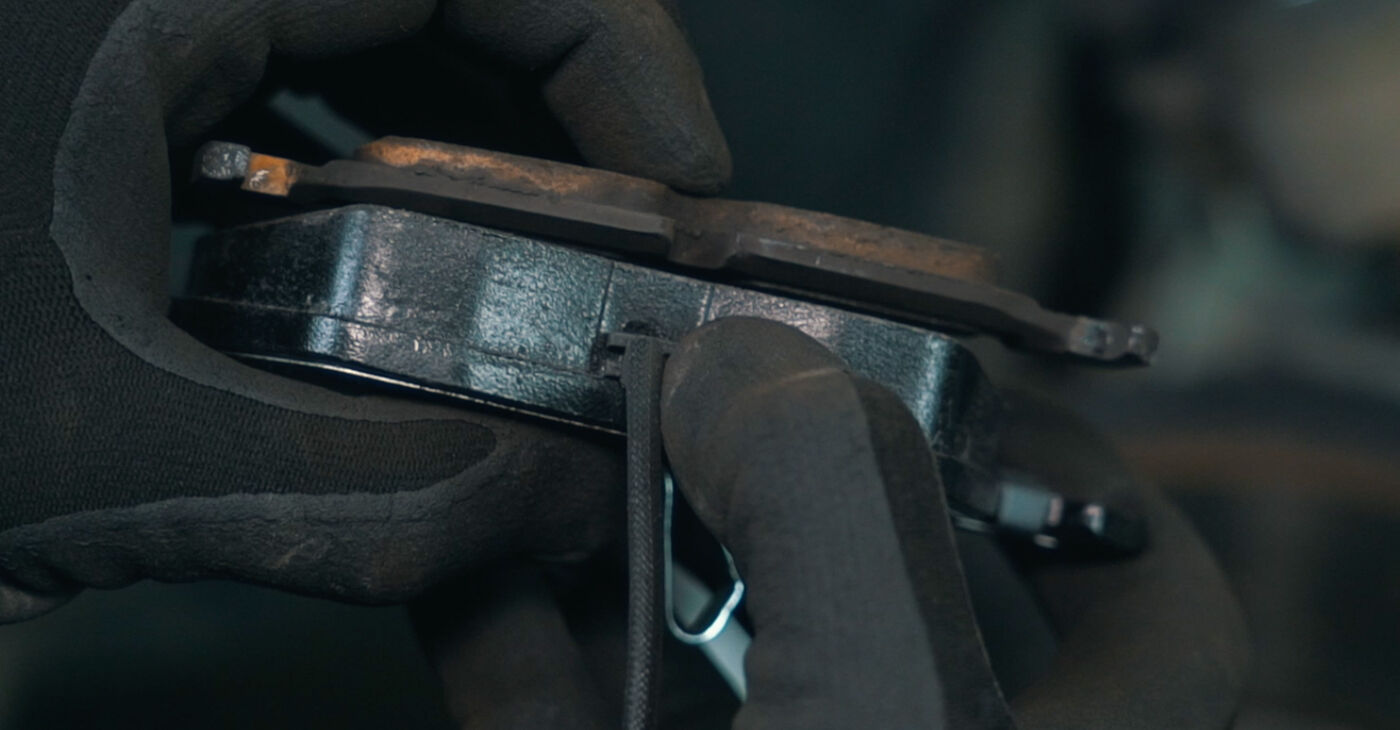 Brake pad wear sensors are single-use and should be replaced together with the brake pads
 - 12.
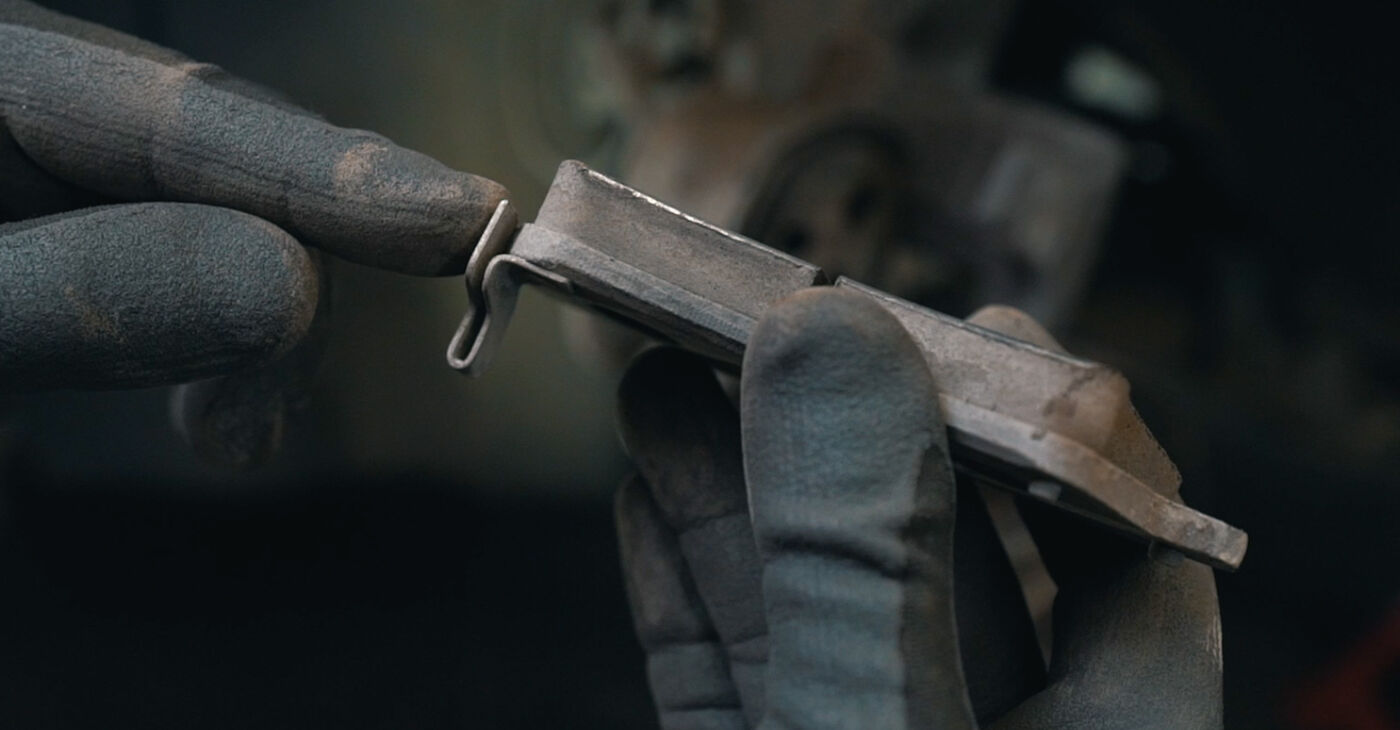 If the sensor is mechanical, it starts contacting the disc when the brake pad is worn
 - 13.
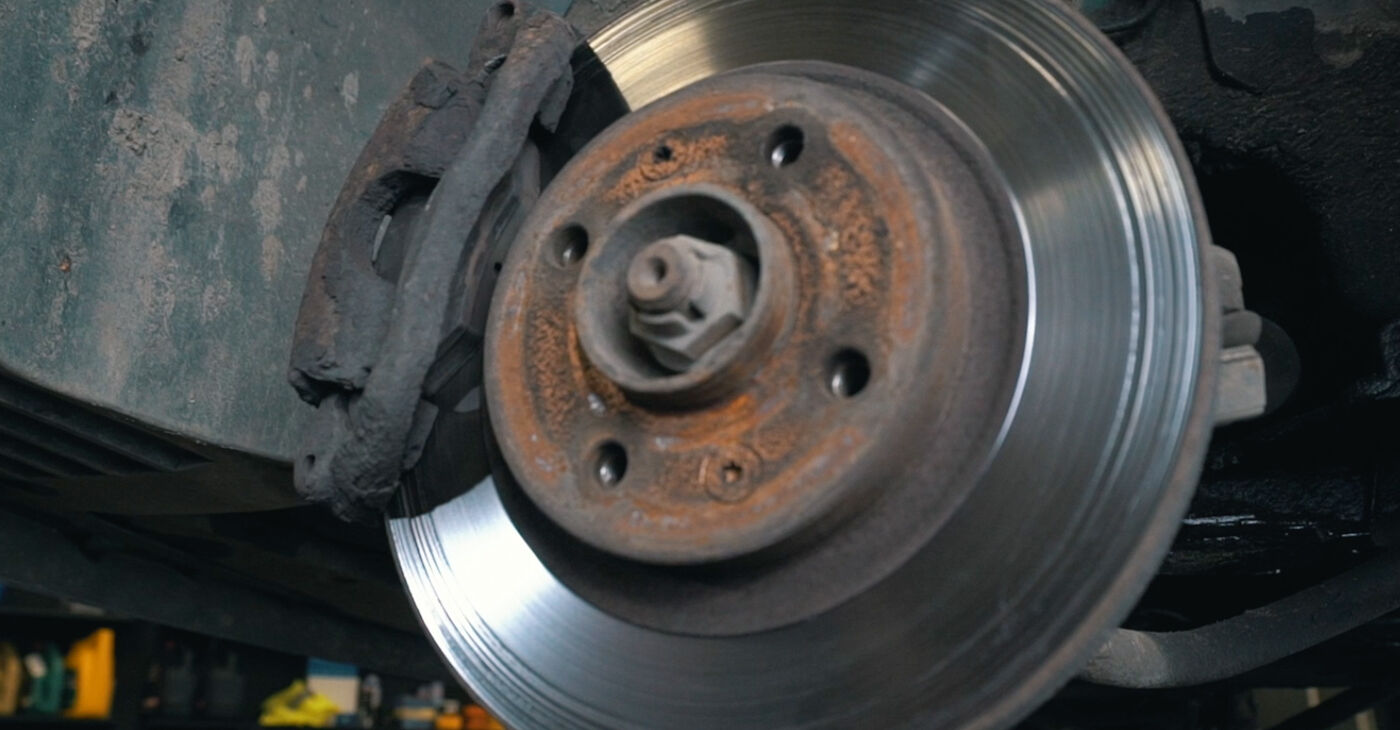 This causes a specific noise
 - 14.
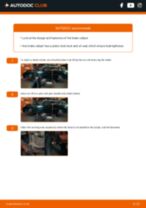
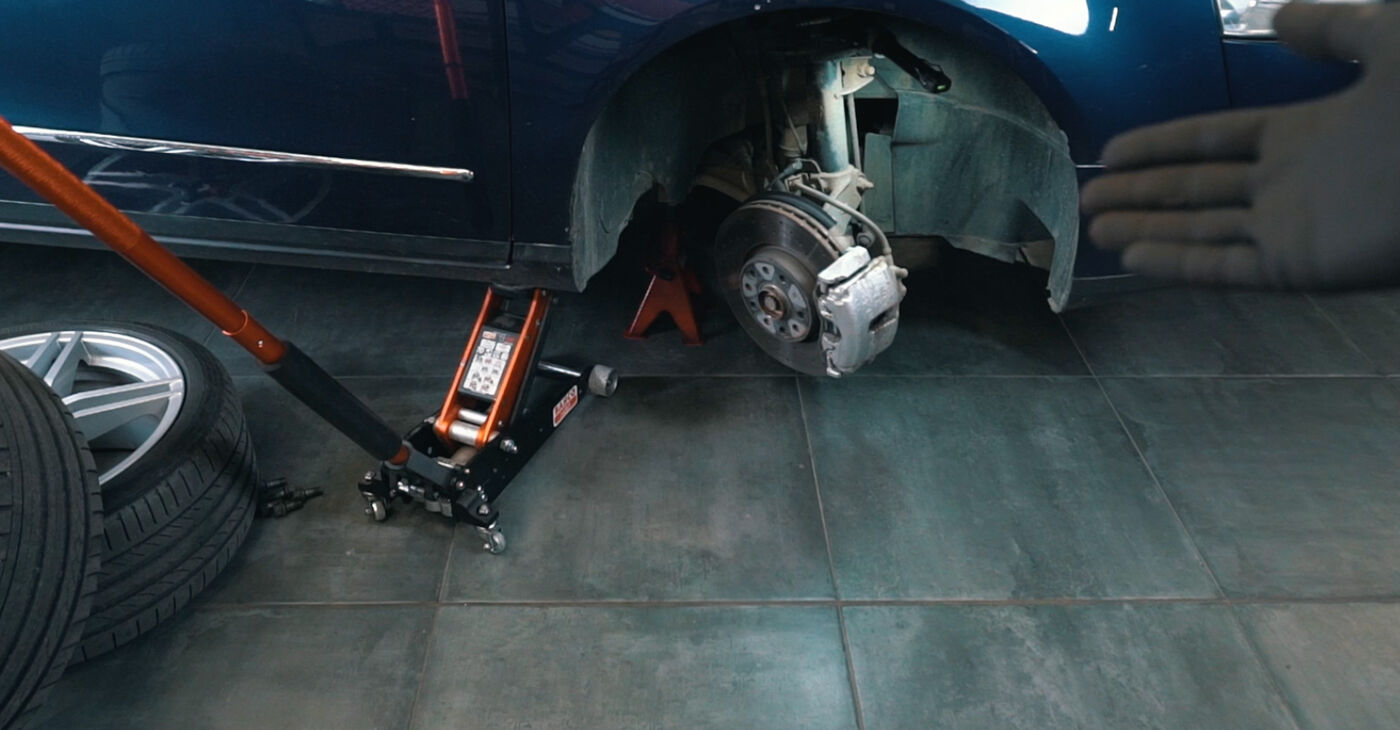 To access the brake pads, raise the car and remove the wheels
 - 15.
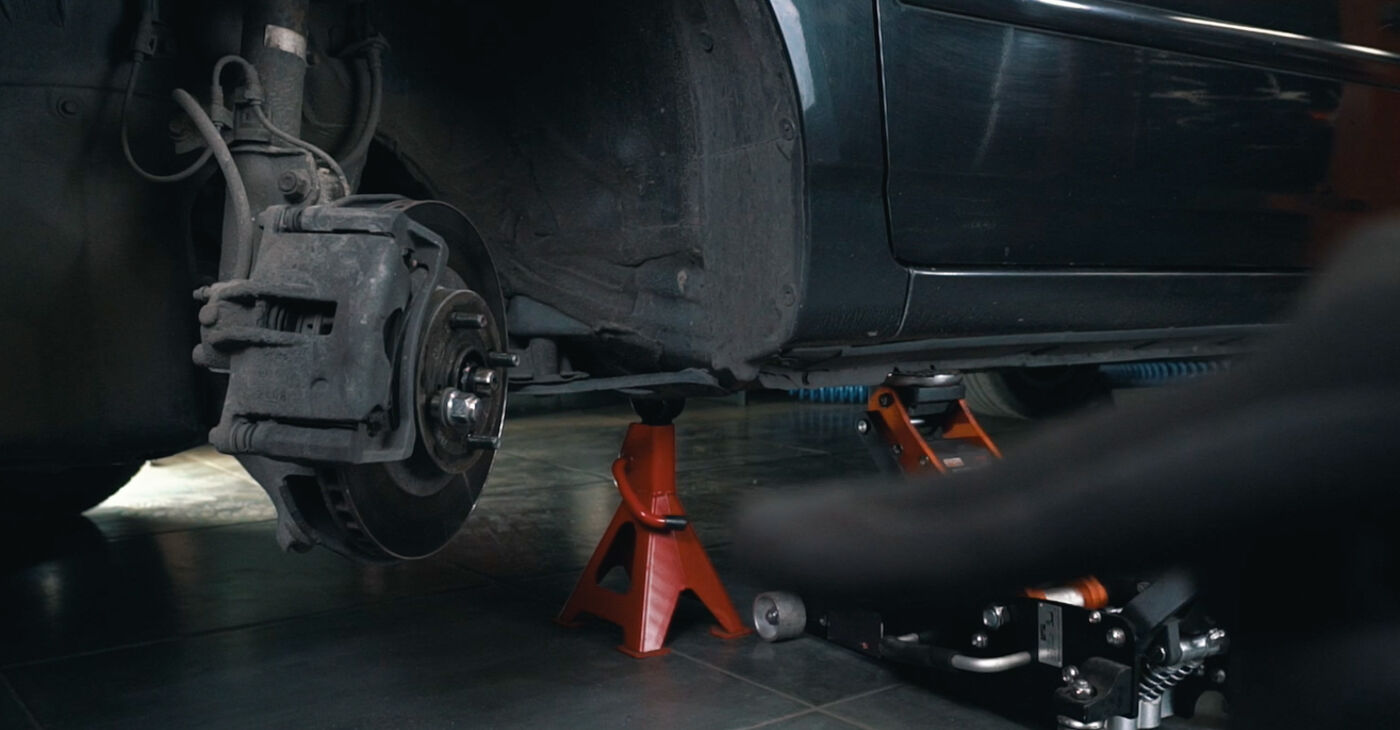 When using a jack you also need to use jack stands
 - 16.
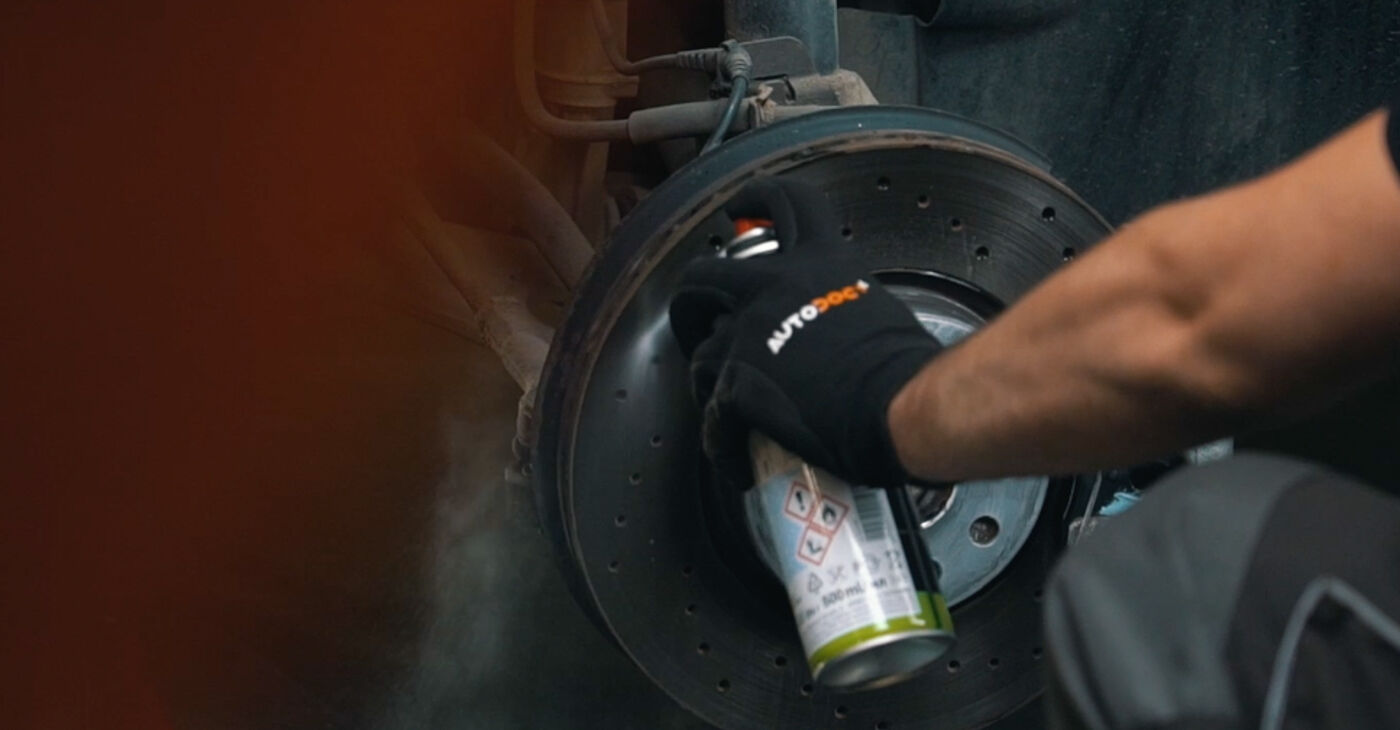
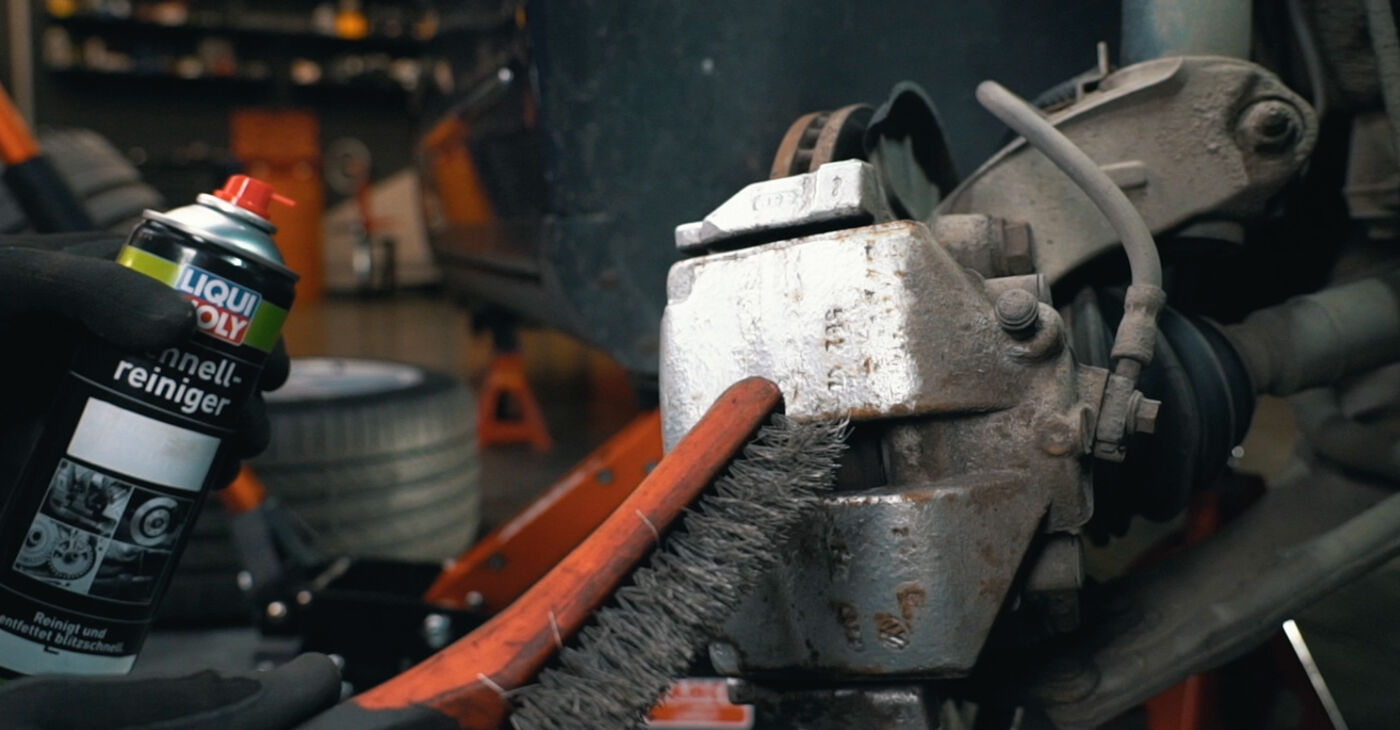 Clean the brake caliper and its fastenersAUTODOC recommends:Use safety goggles, gloves, and a respirator
 - 17.
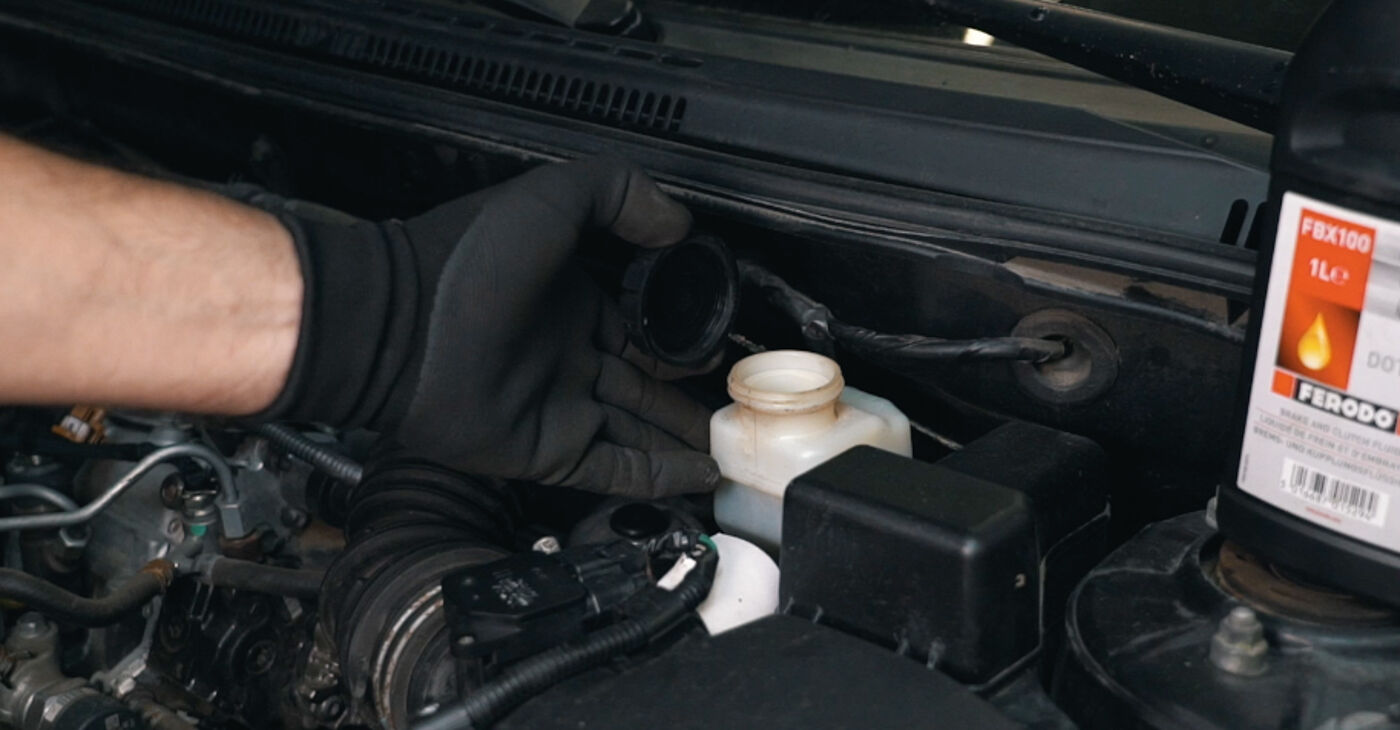
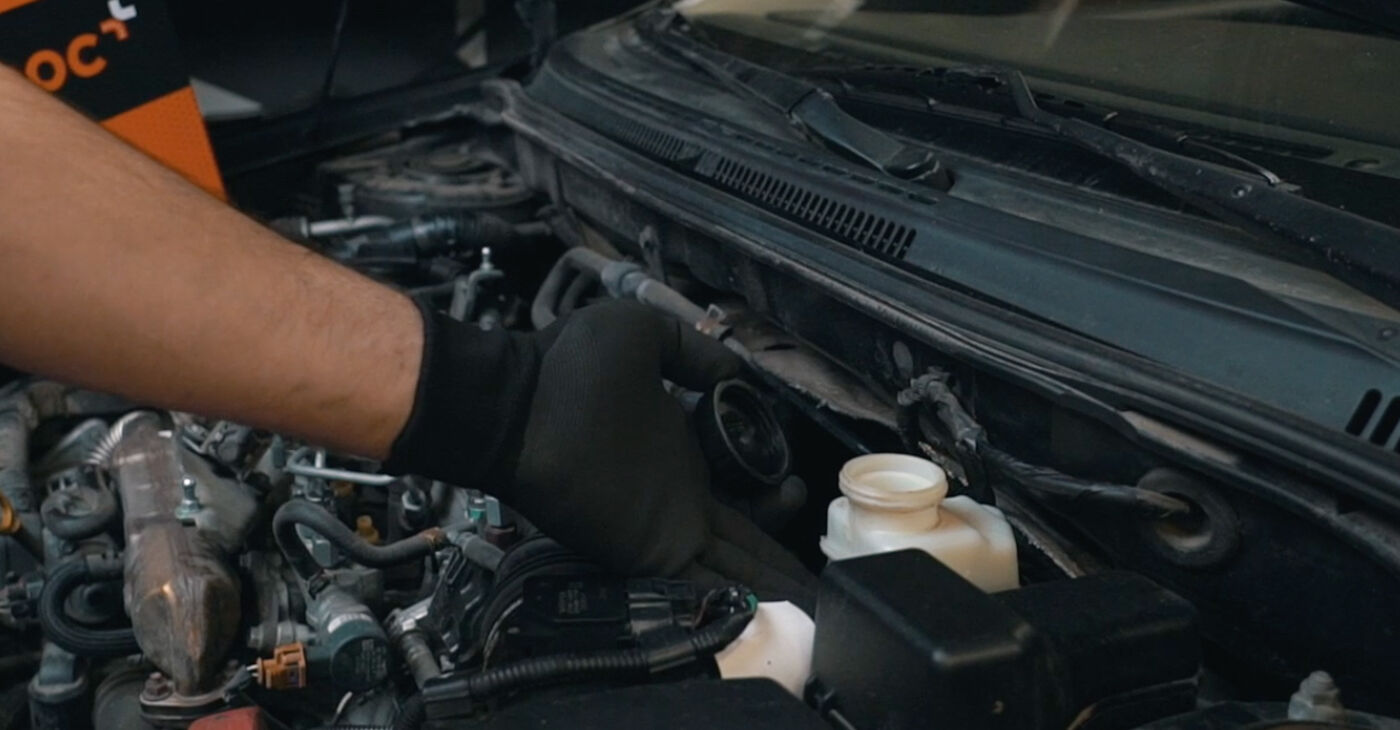 While carrying out the replacement, regularly check the brake fluid level in the reservoir
 - 18.
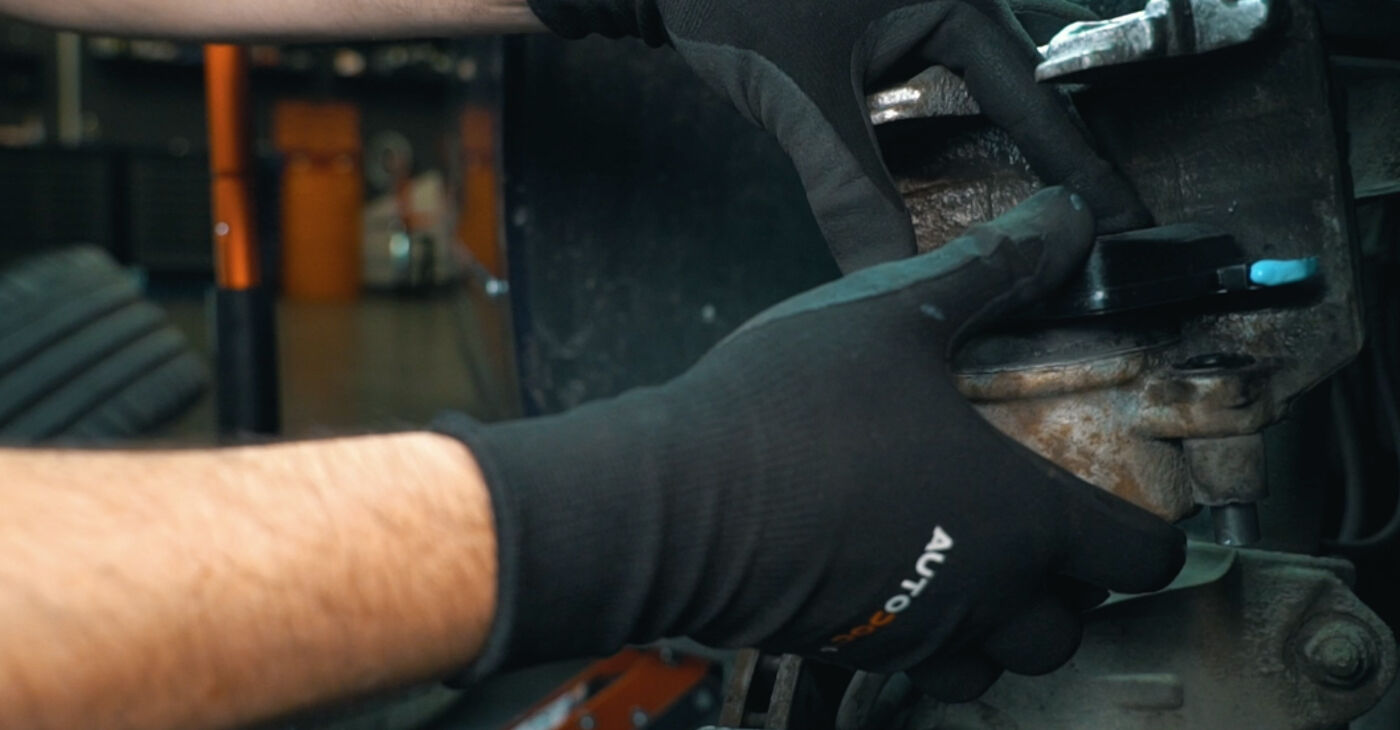
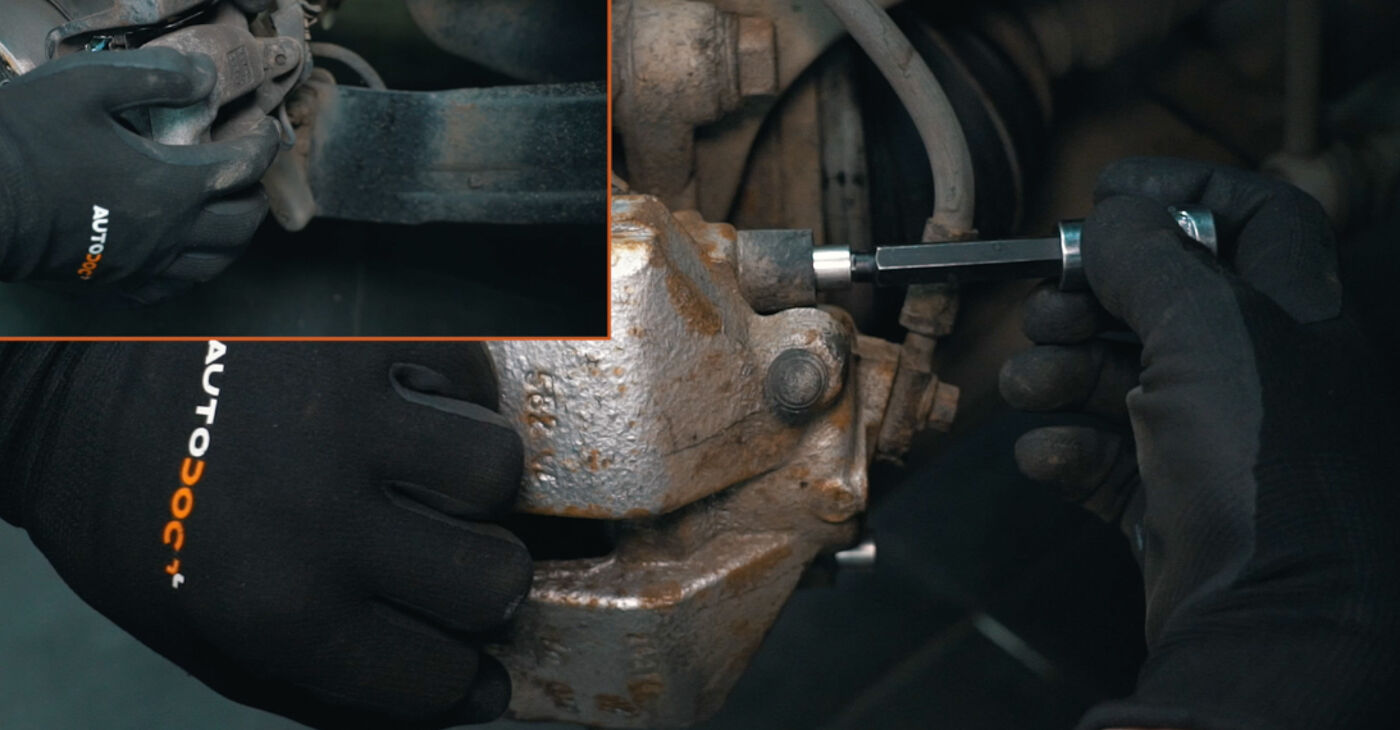
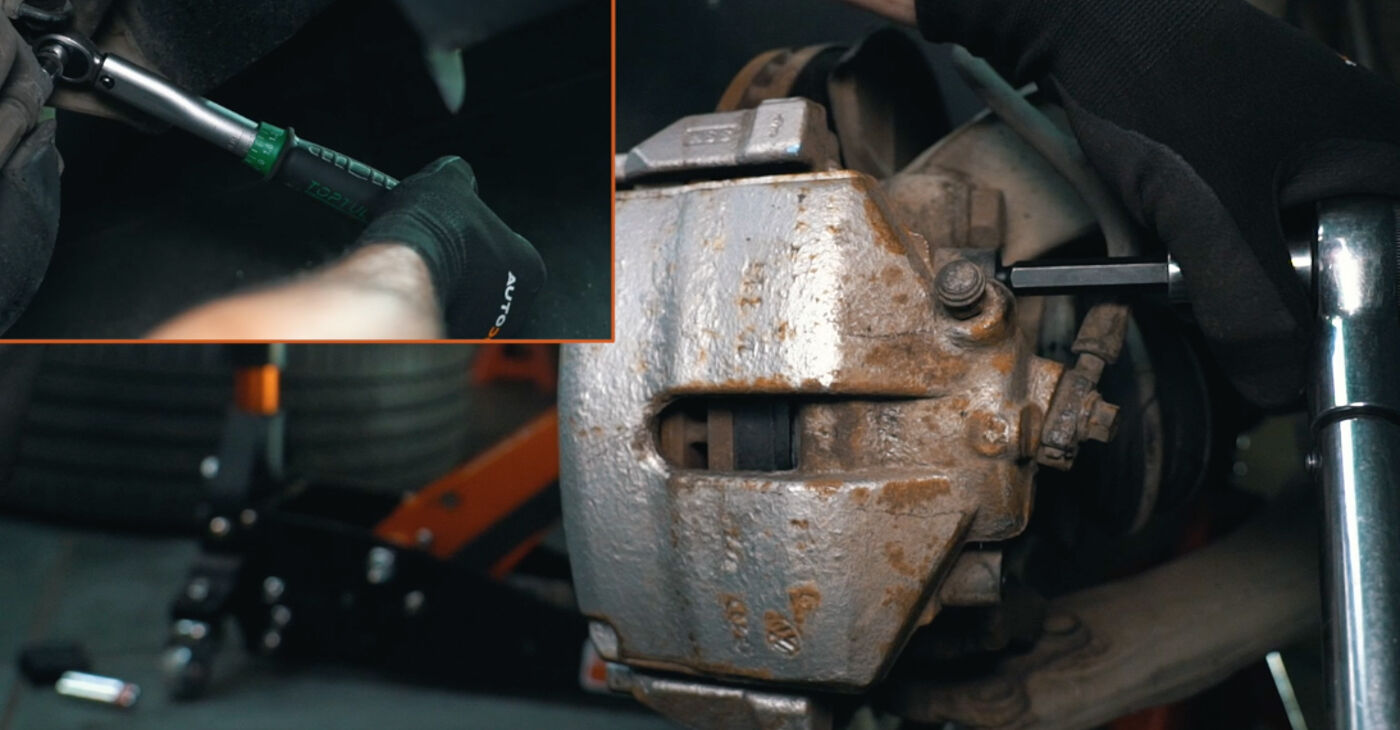
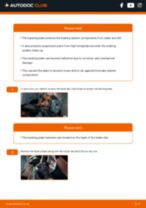
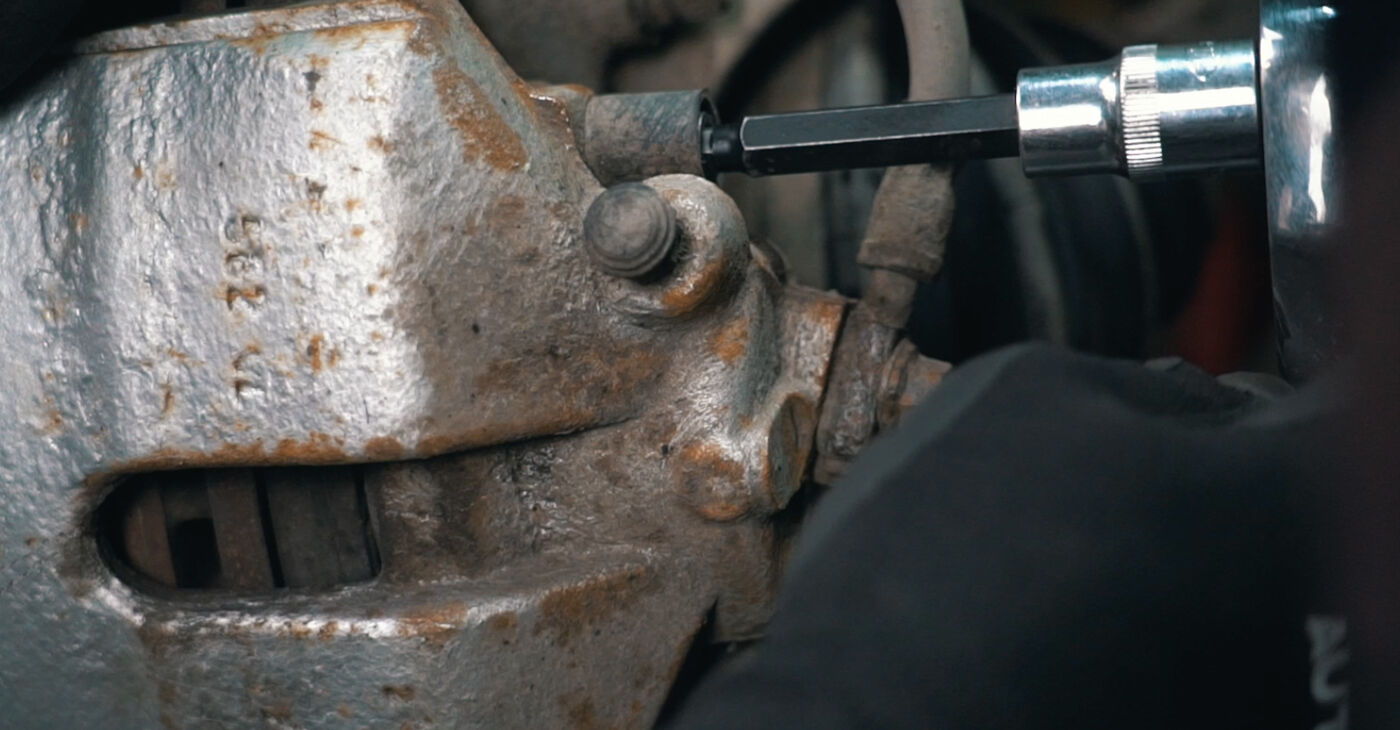 Unscrew and remove the brake caliper fasteners
 - 19.
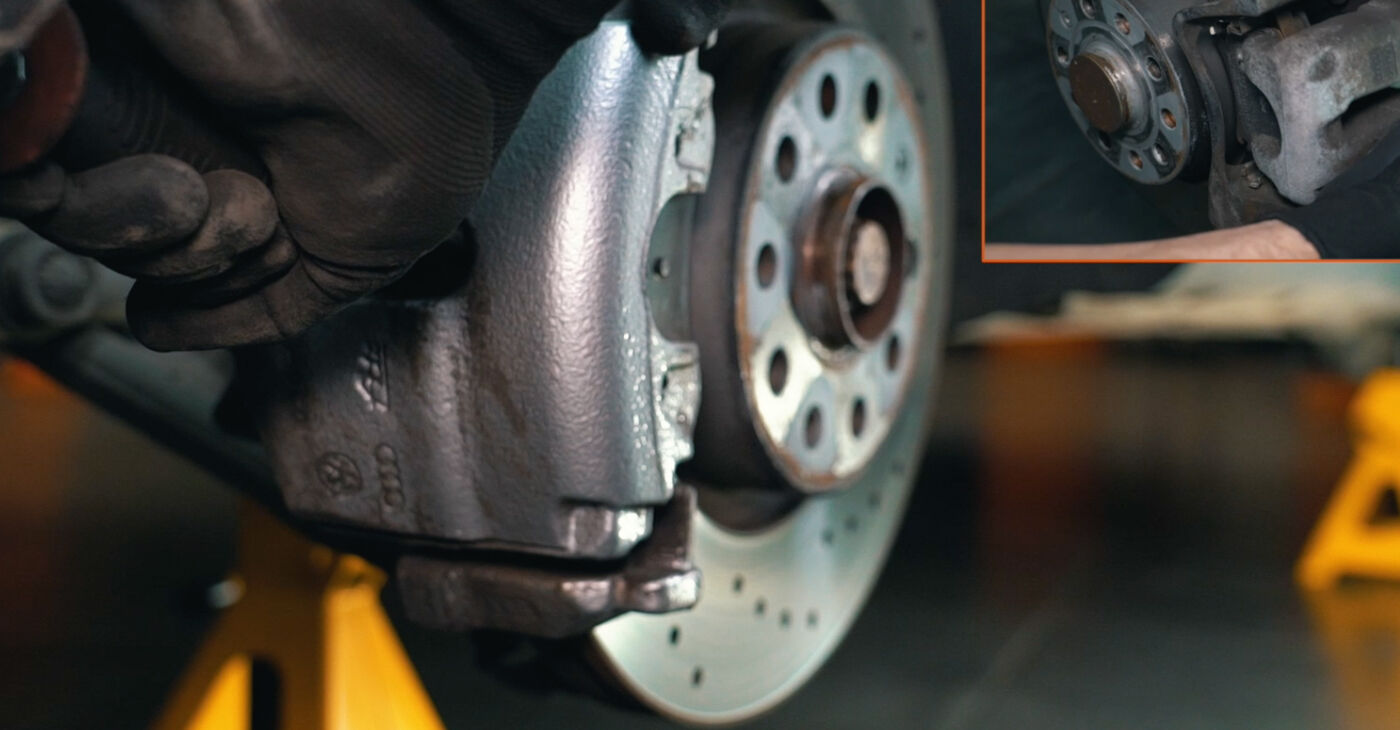 If the caliper is difficult to remove, use a suitable tool to force it apart or to pry it off
 - 20.
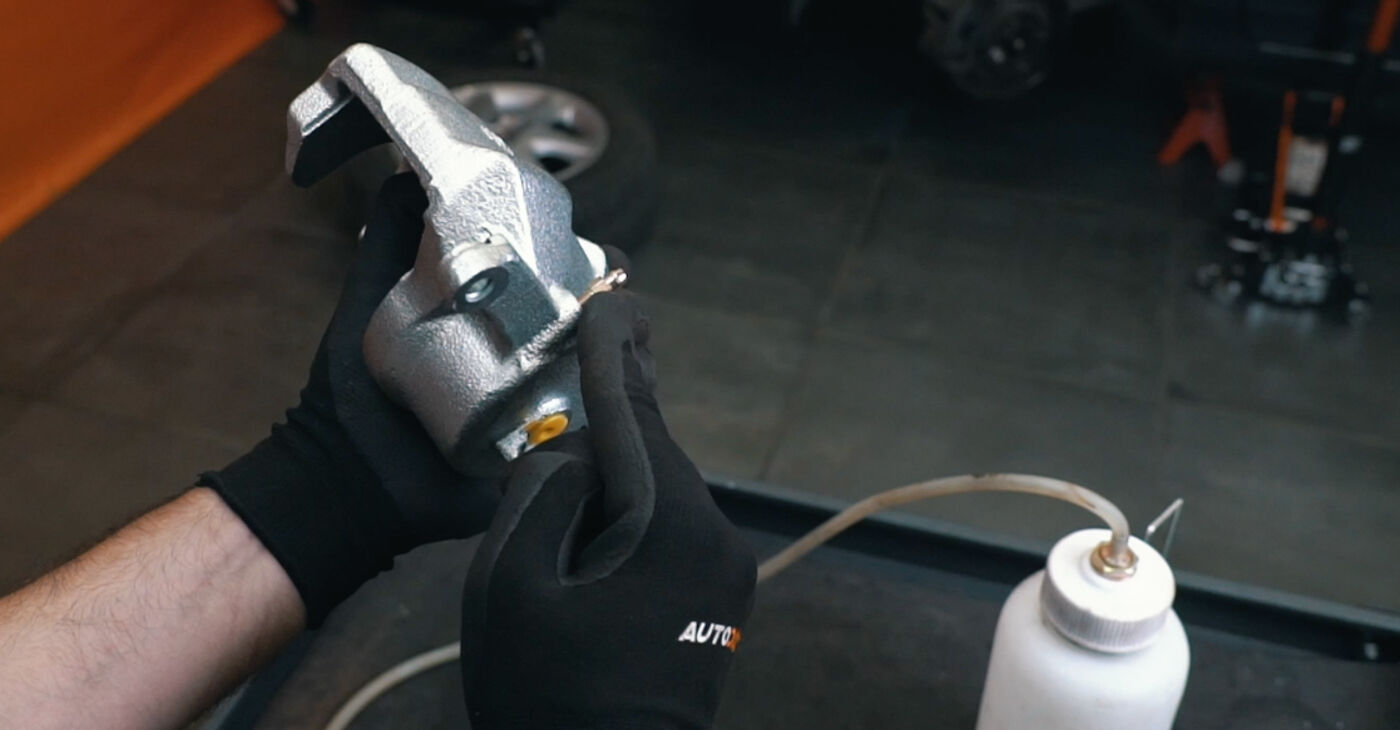
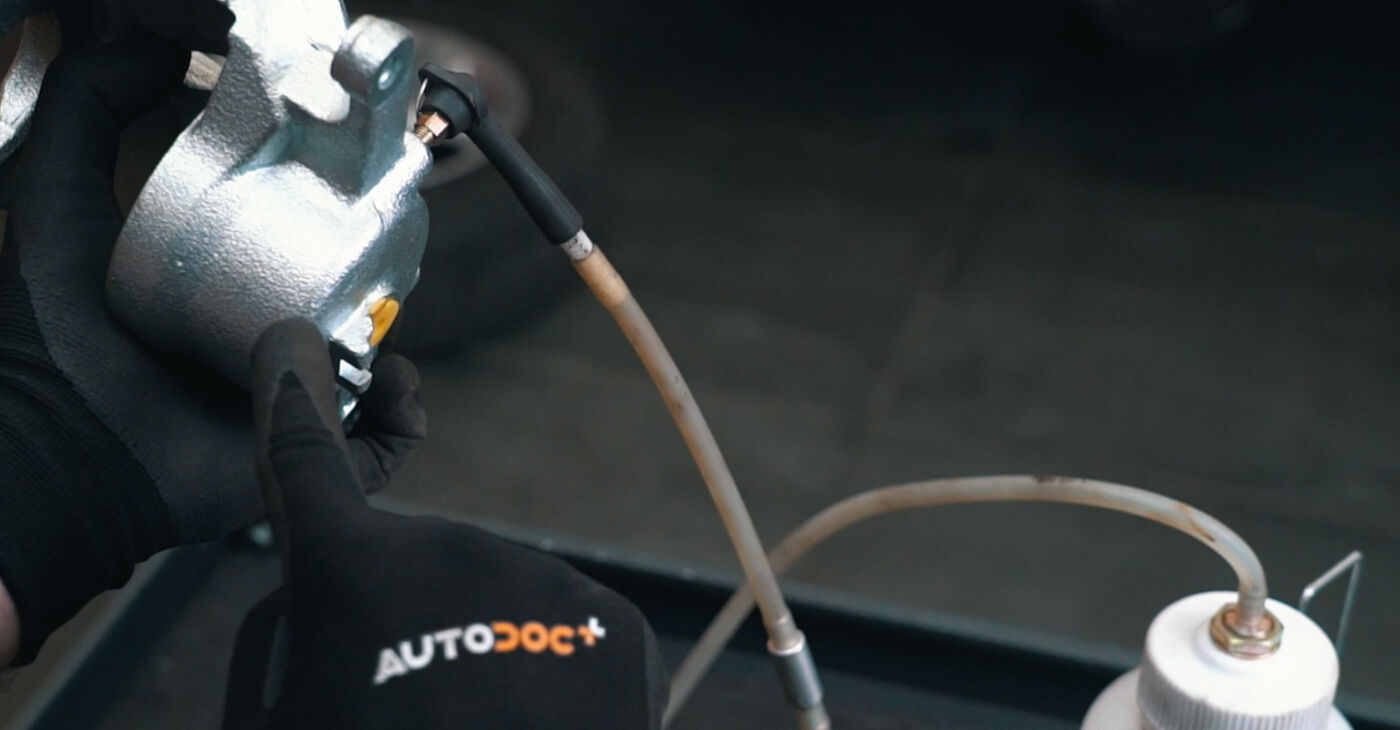
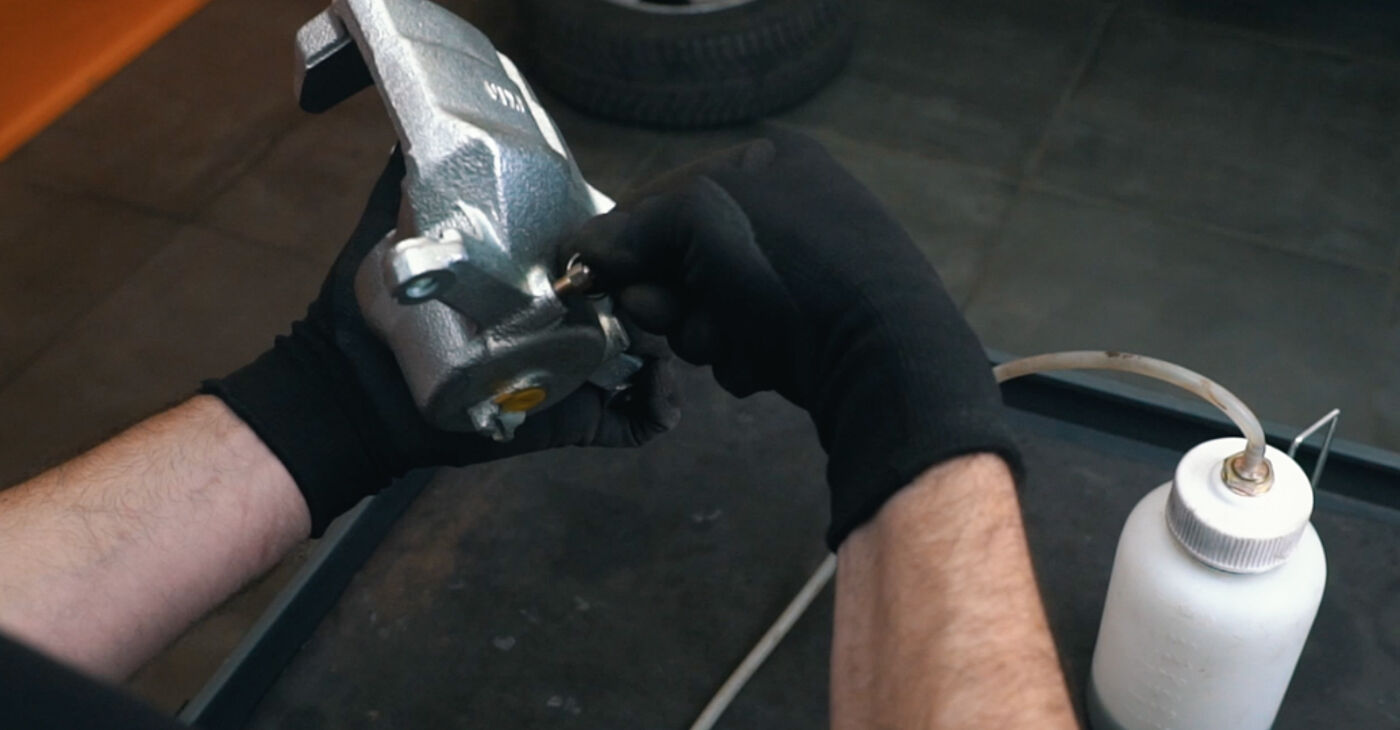
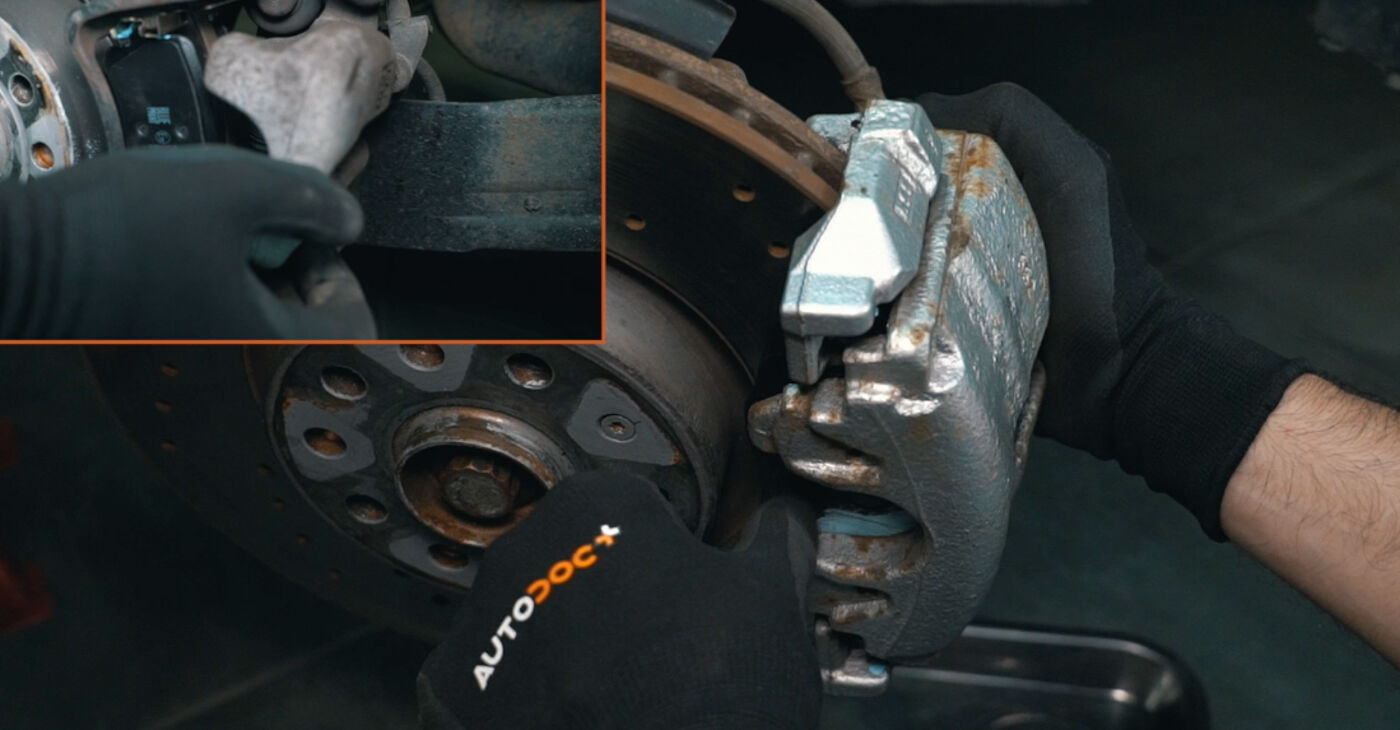
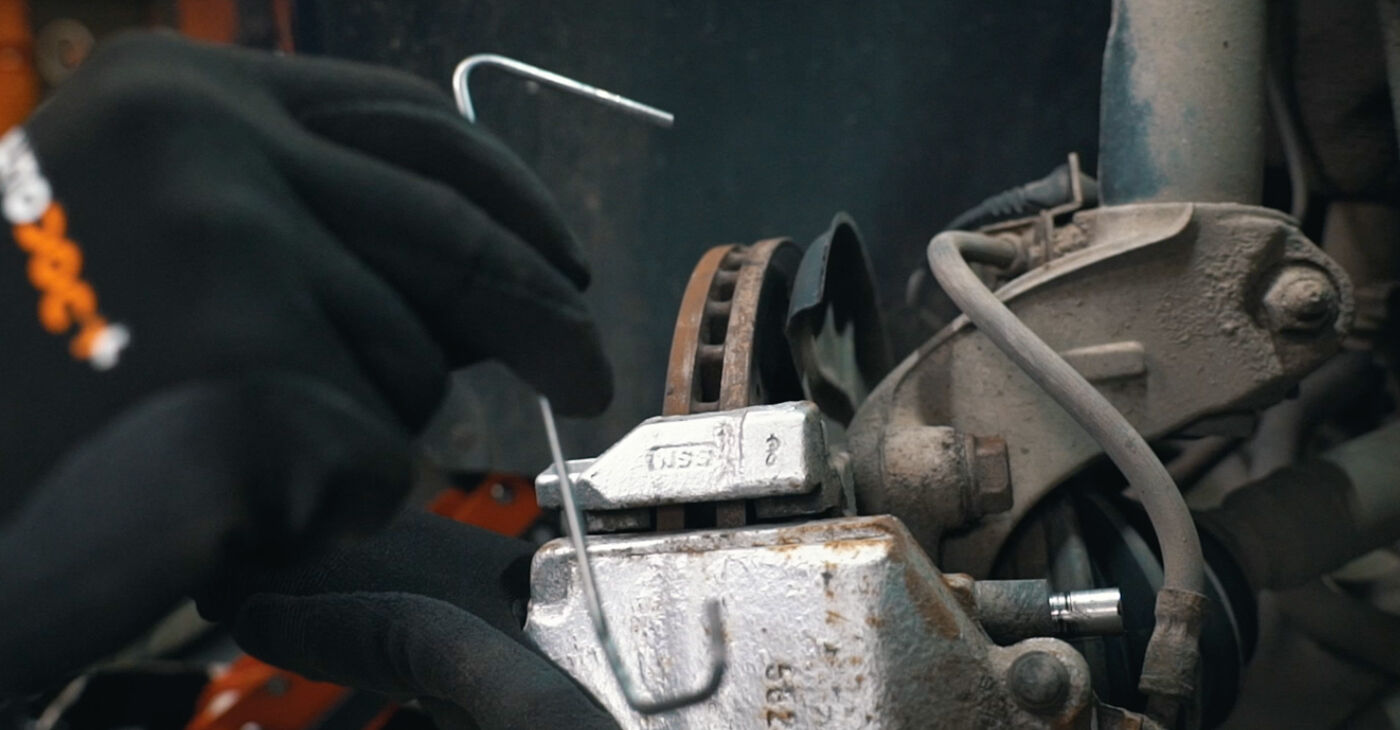 Hang the brake caliper from the suspension or the car body
 - 21.
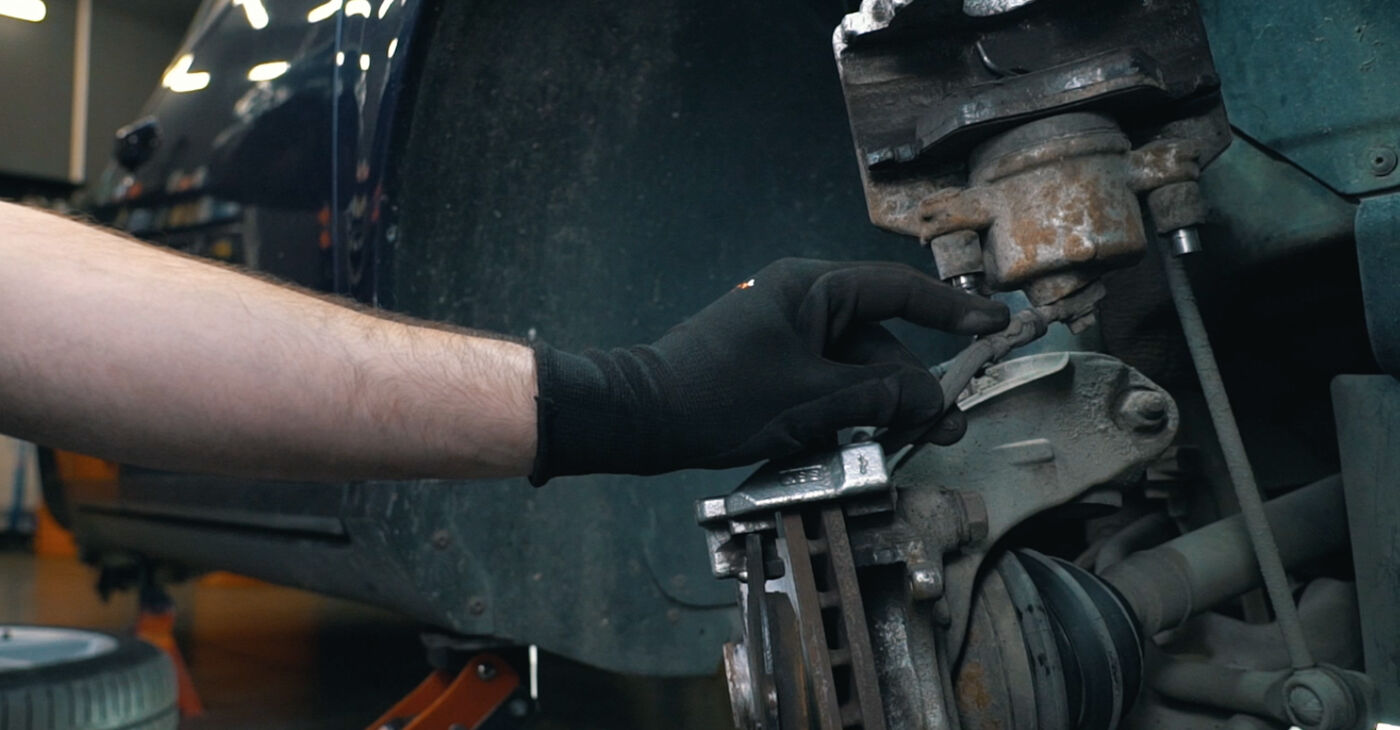 Do not hang the caliper from the brake hose to avoid damaging the hose
 - 22.
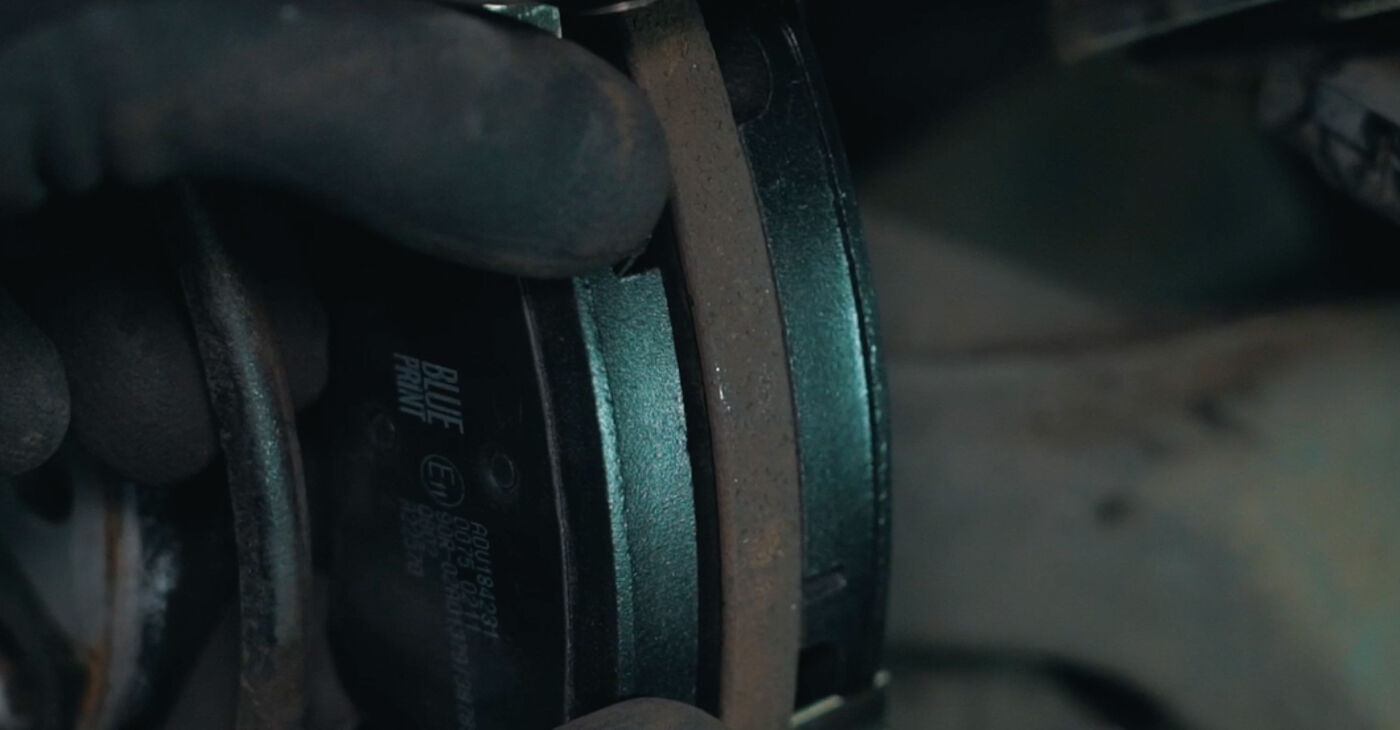
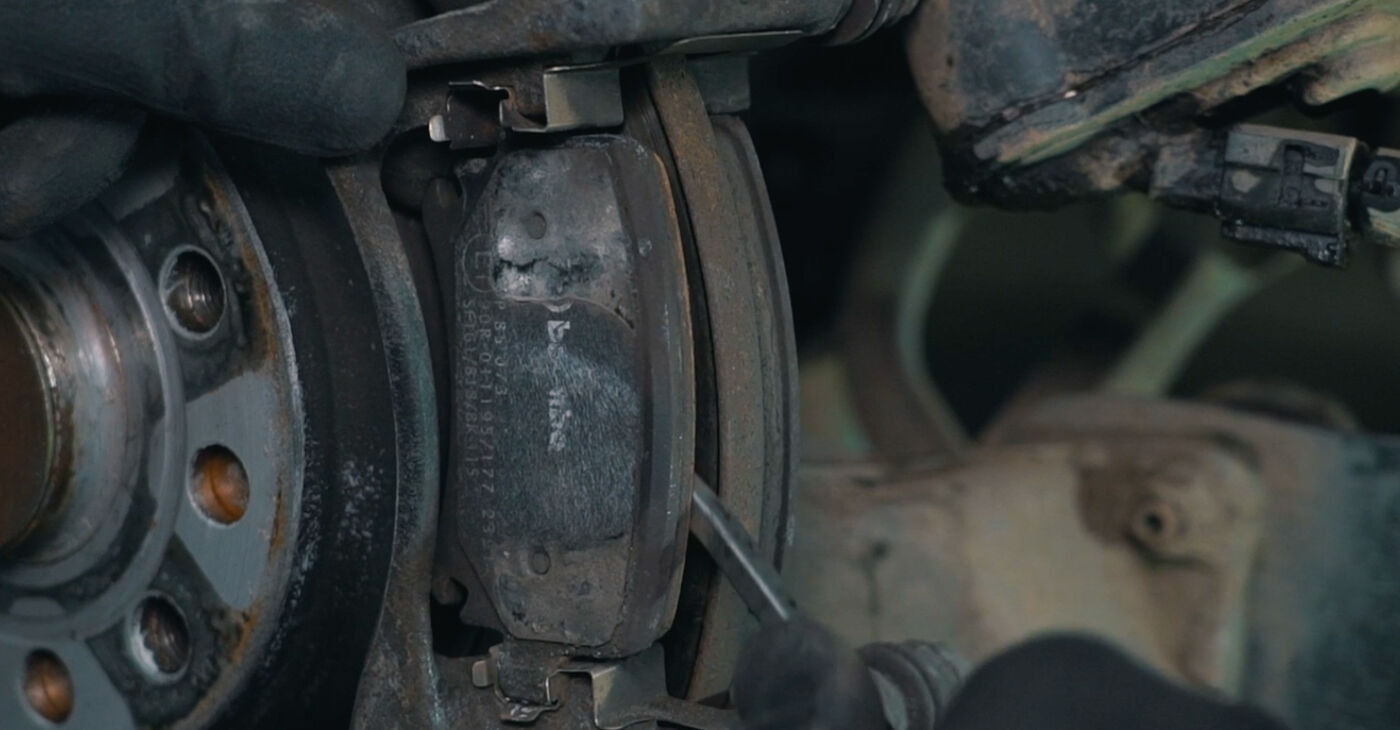 Remove the brake padsPlease note!Please note: Brake pads can be additionally secured in the caliper piston
 - 23.
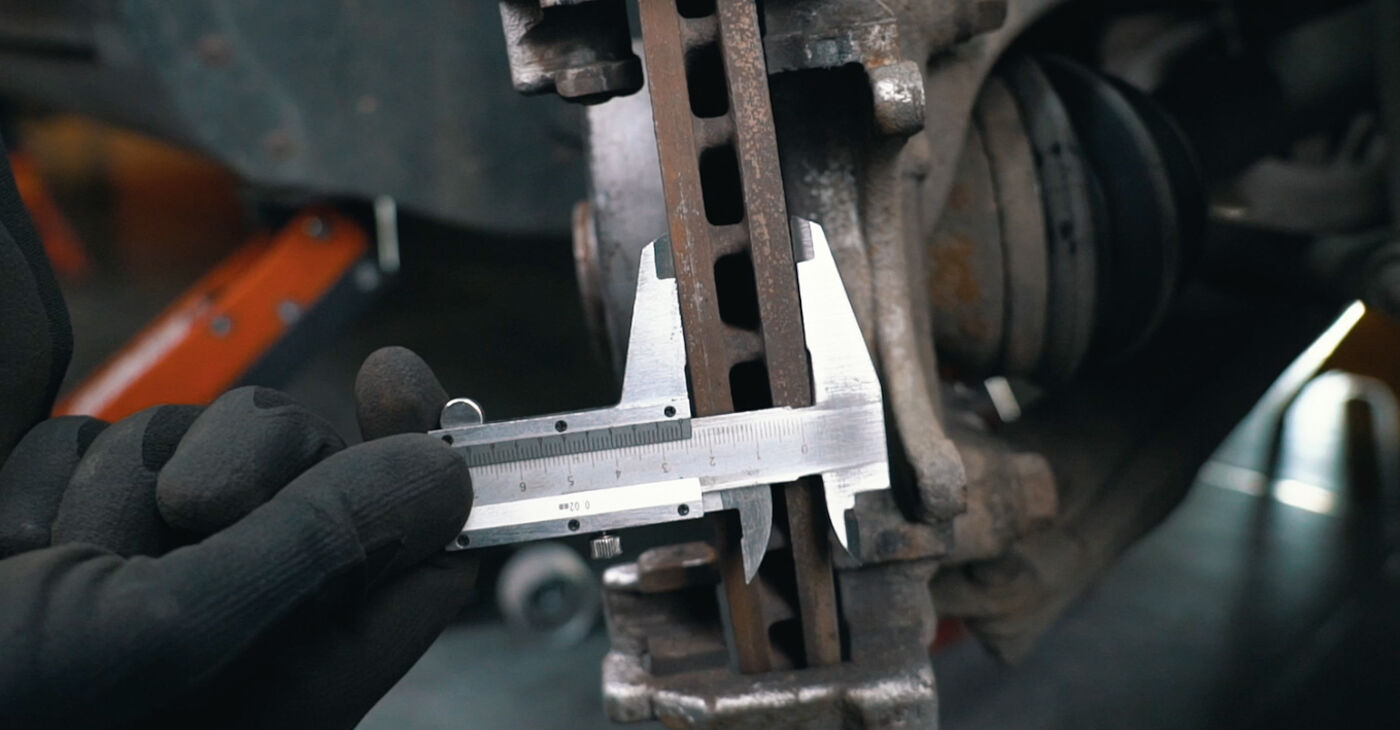
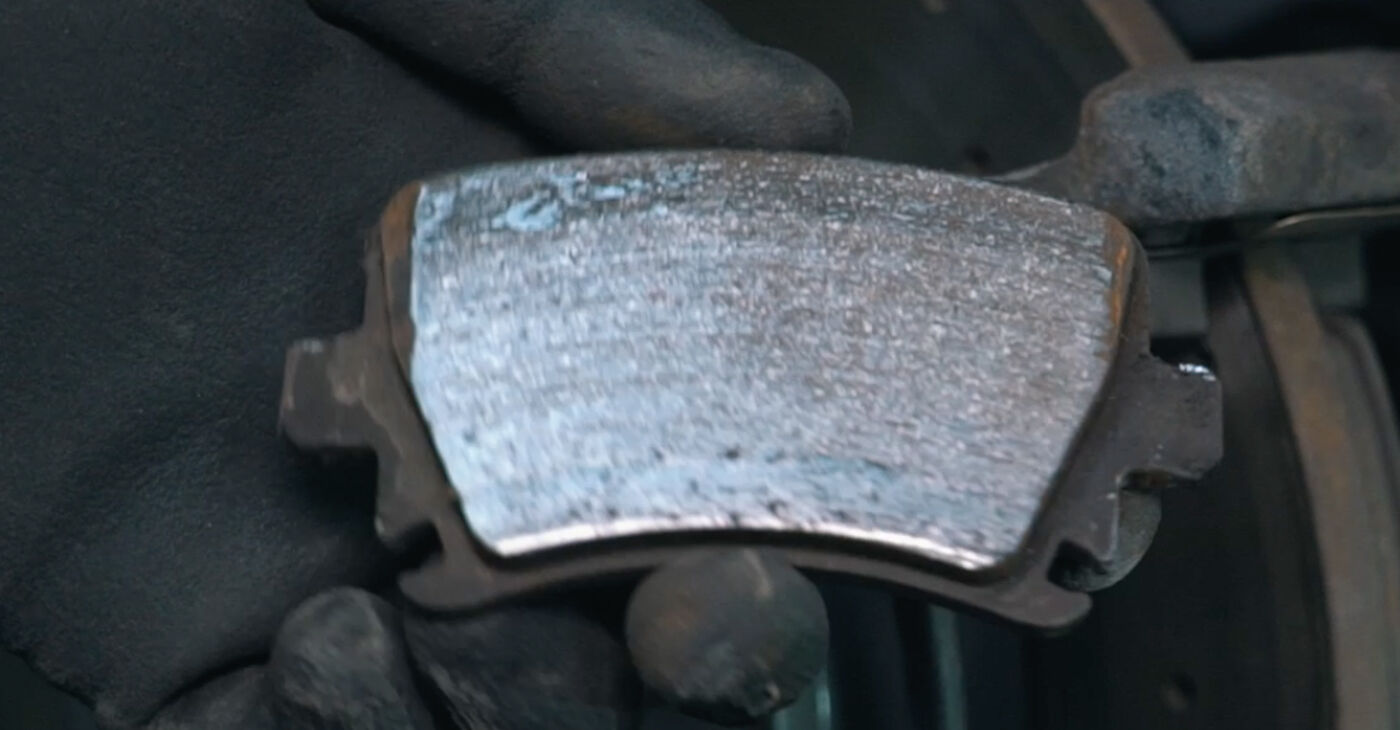 Inspect the brake pads after removal
 - 24.
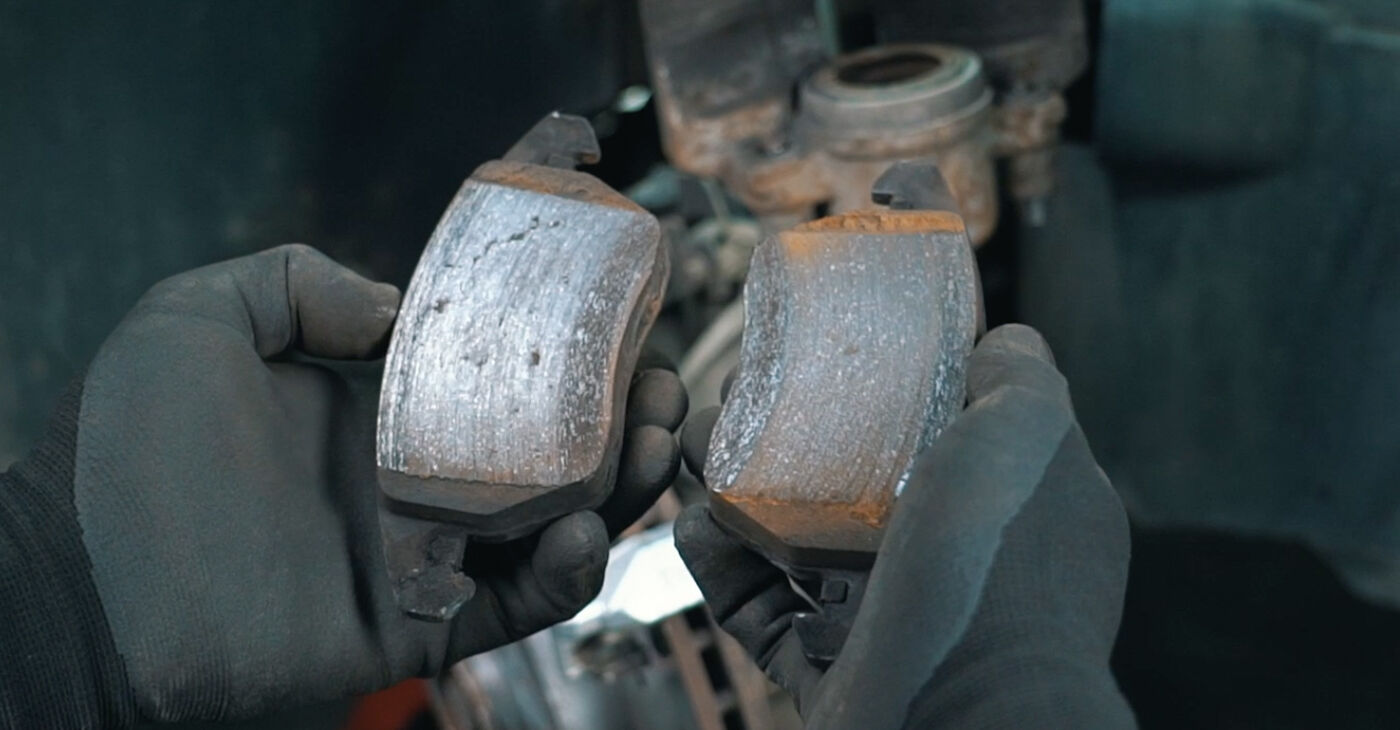 If their friction linings are worn uniformly, this means that all components of the system are functioning properly
 - 25.
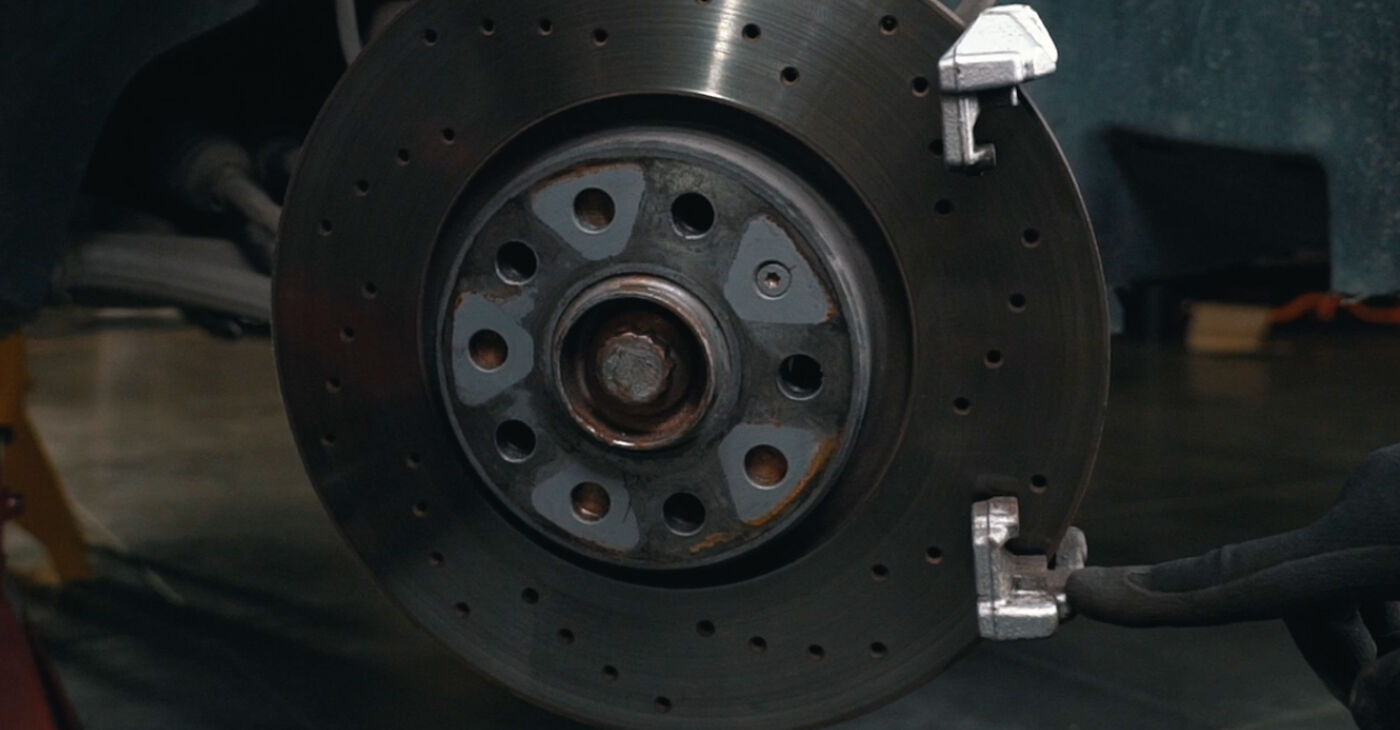 If the outer brake pad is more worn than the inner one, it gets stuck when moving in the anti-rattle clips in the bracket
 - 26.
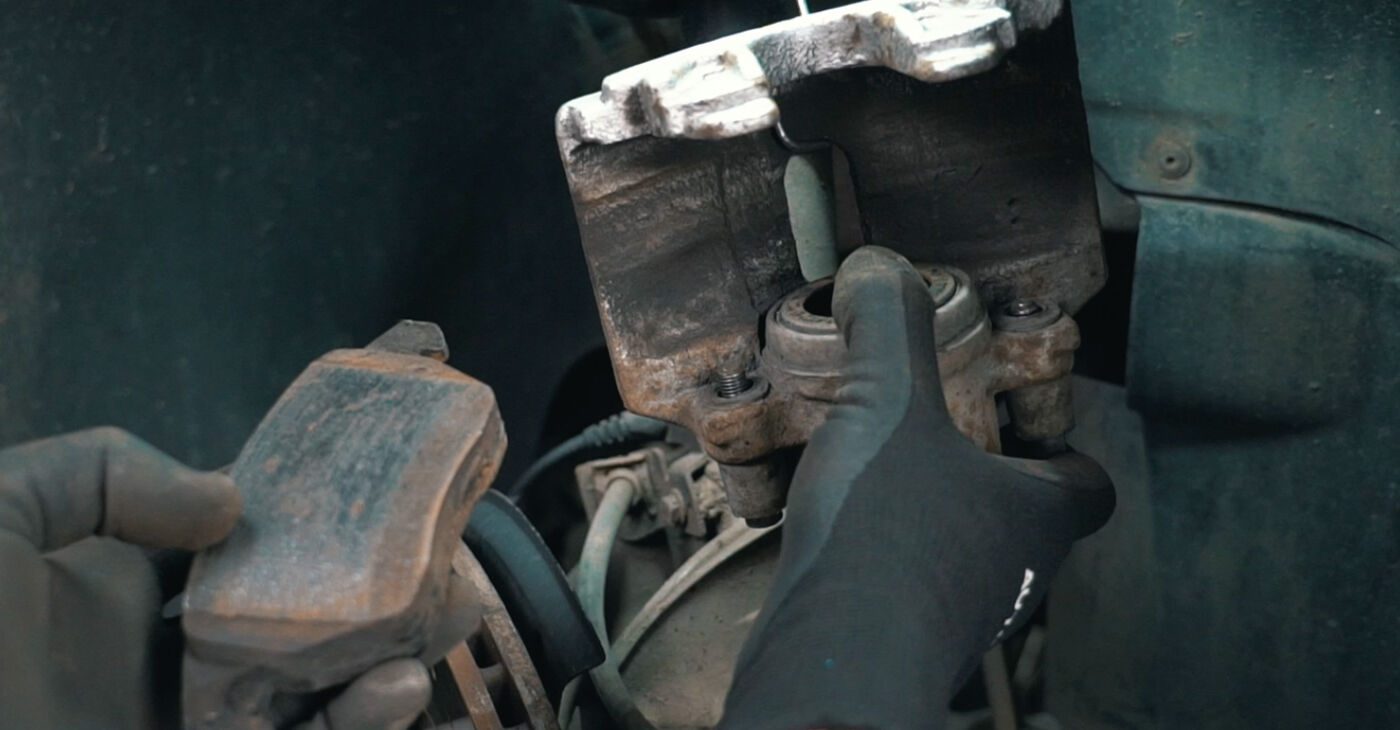 If the inner brake pad is more worn than the outer one, check the condition of the caliper guide pins
 - 27.
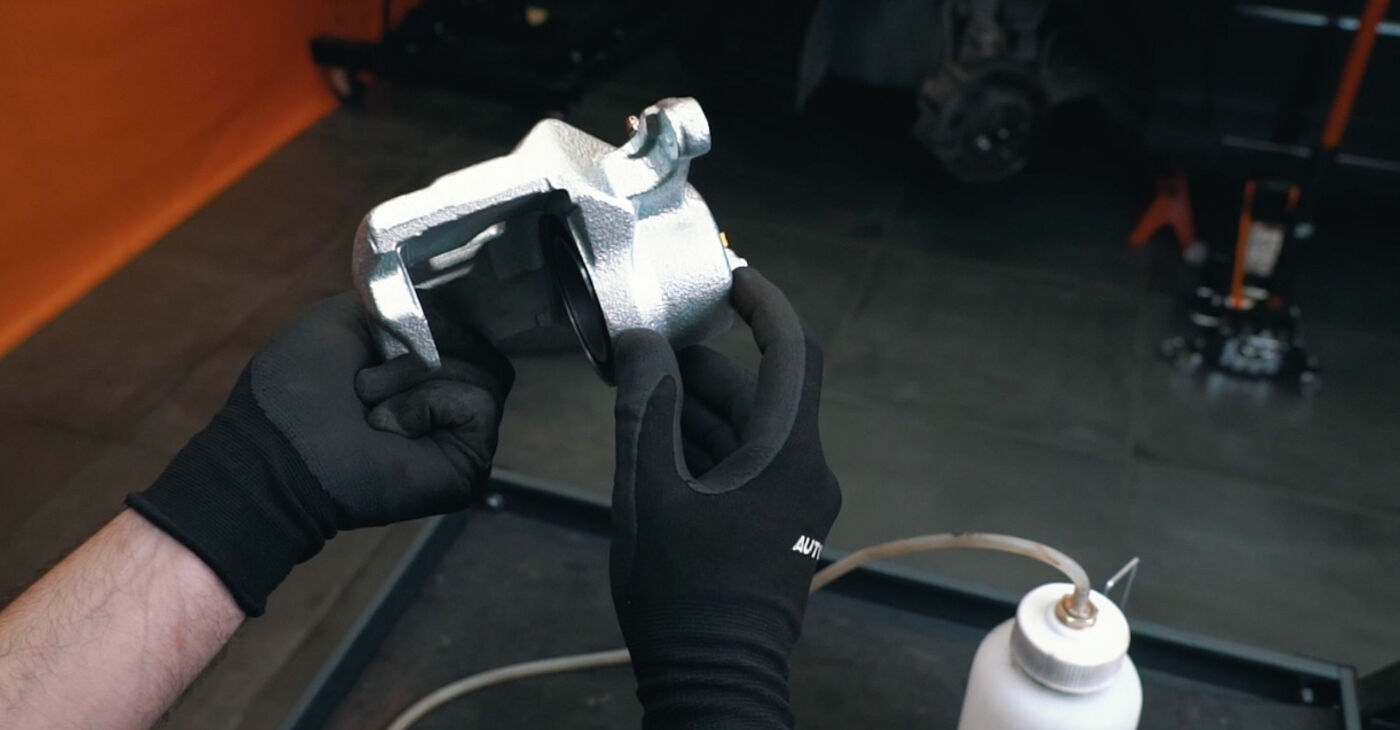
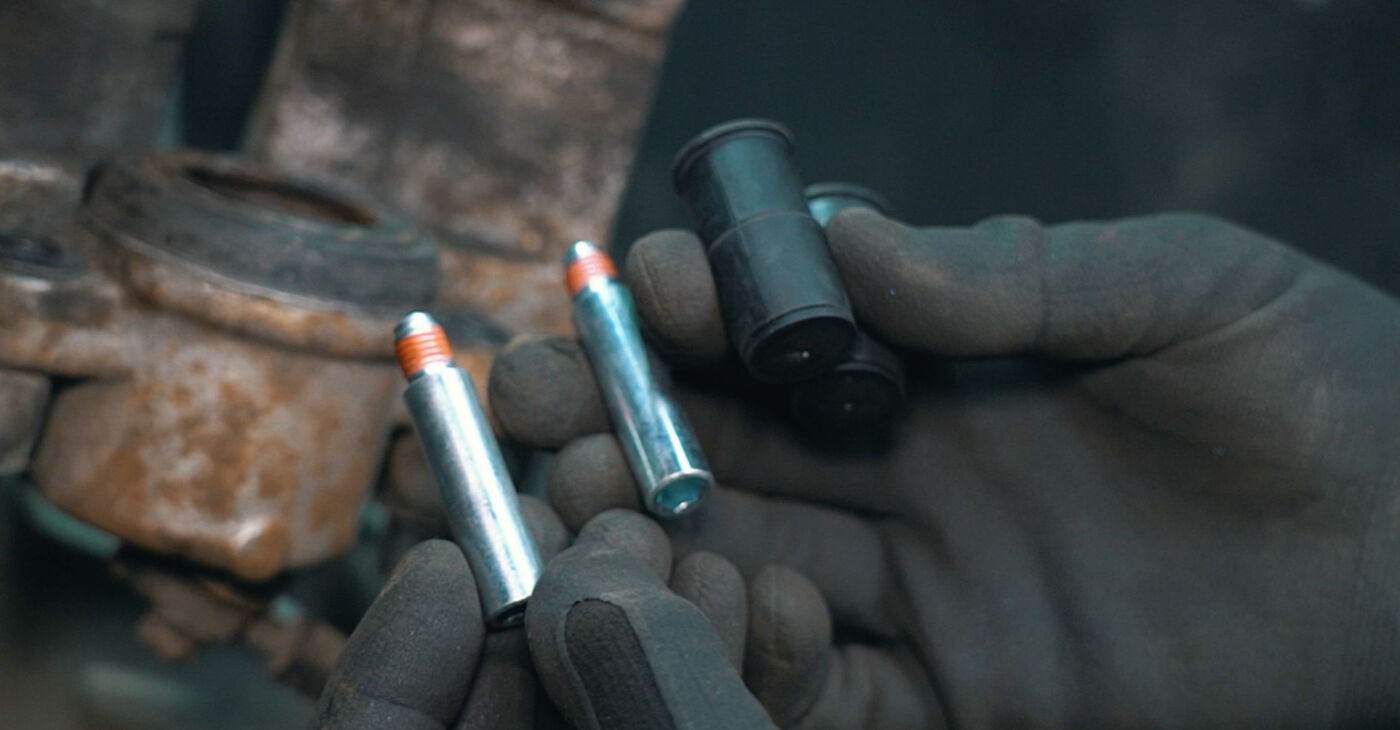 Replace faulty elements of the brake caliper using a repair kit
 - 28.
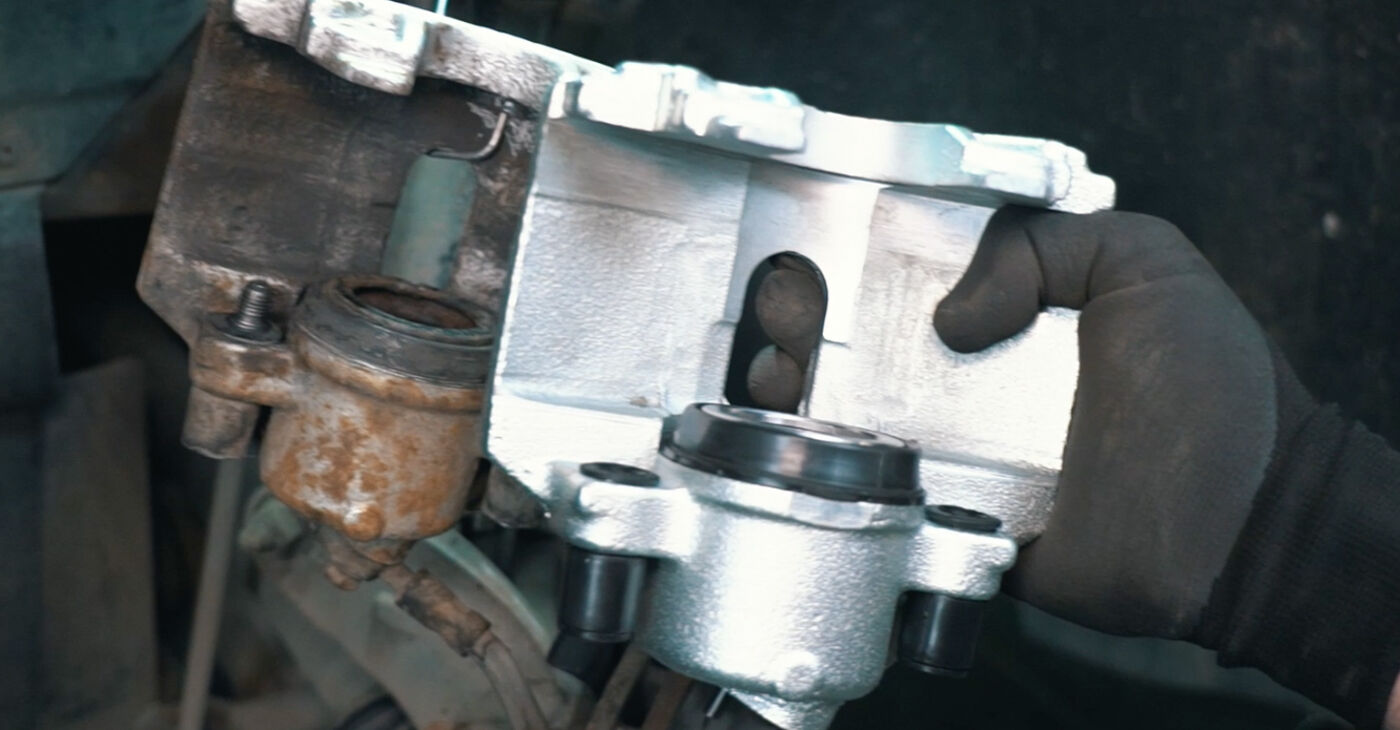 Or replace the whole brake caliper
 - 29.
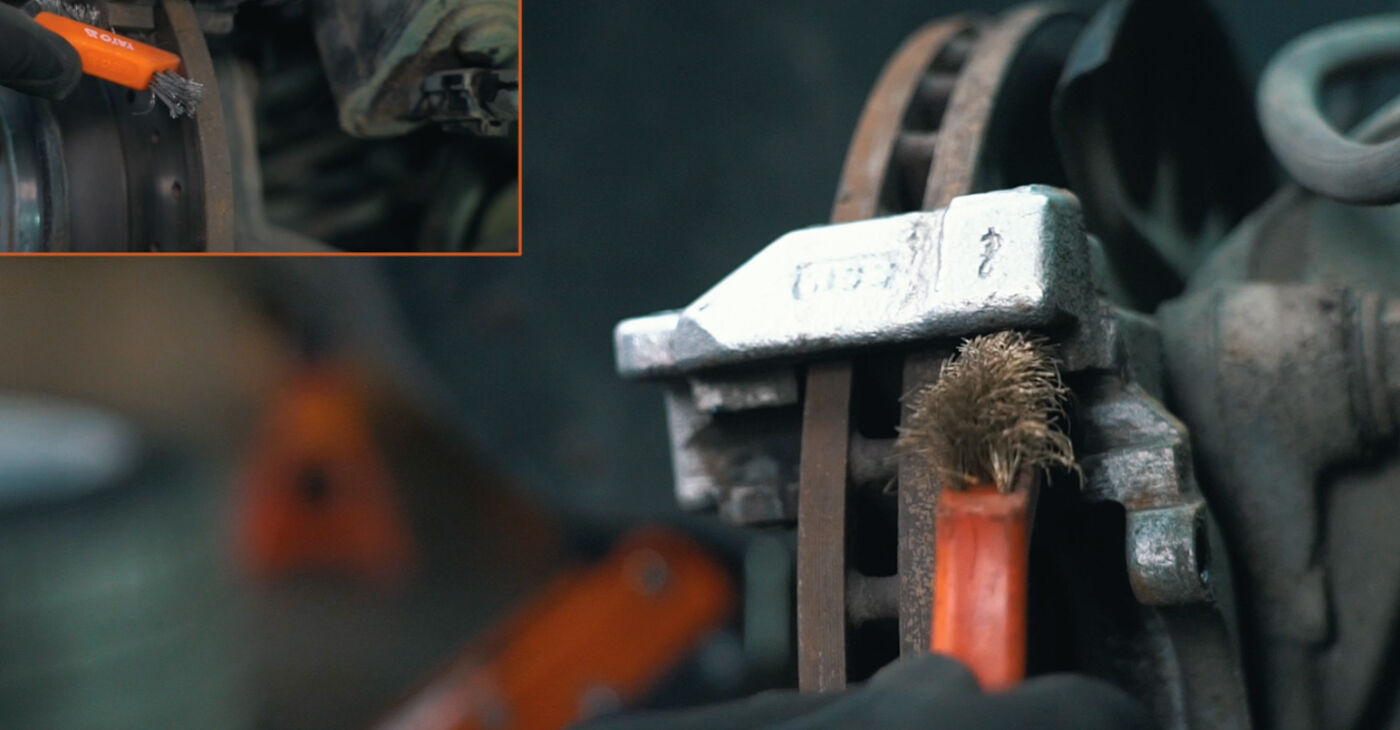
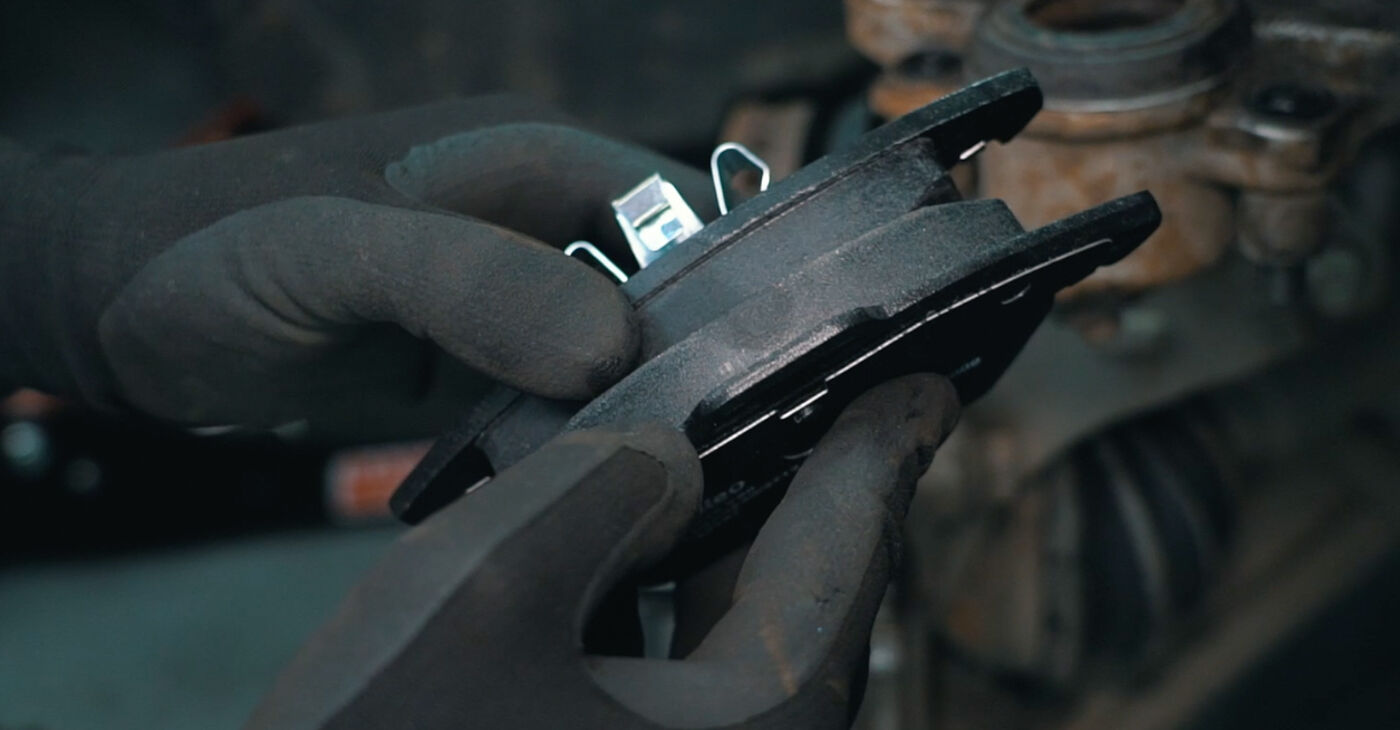
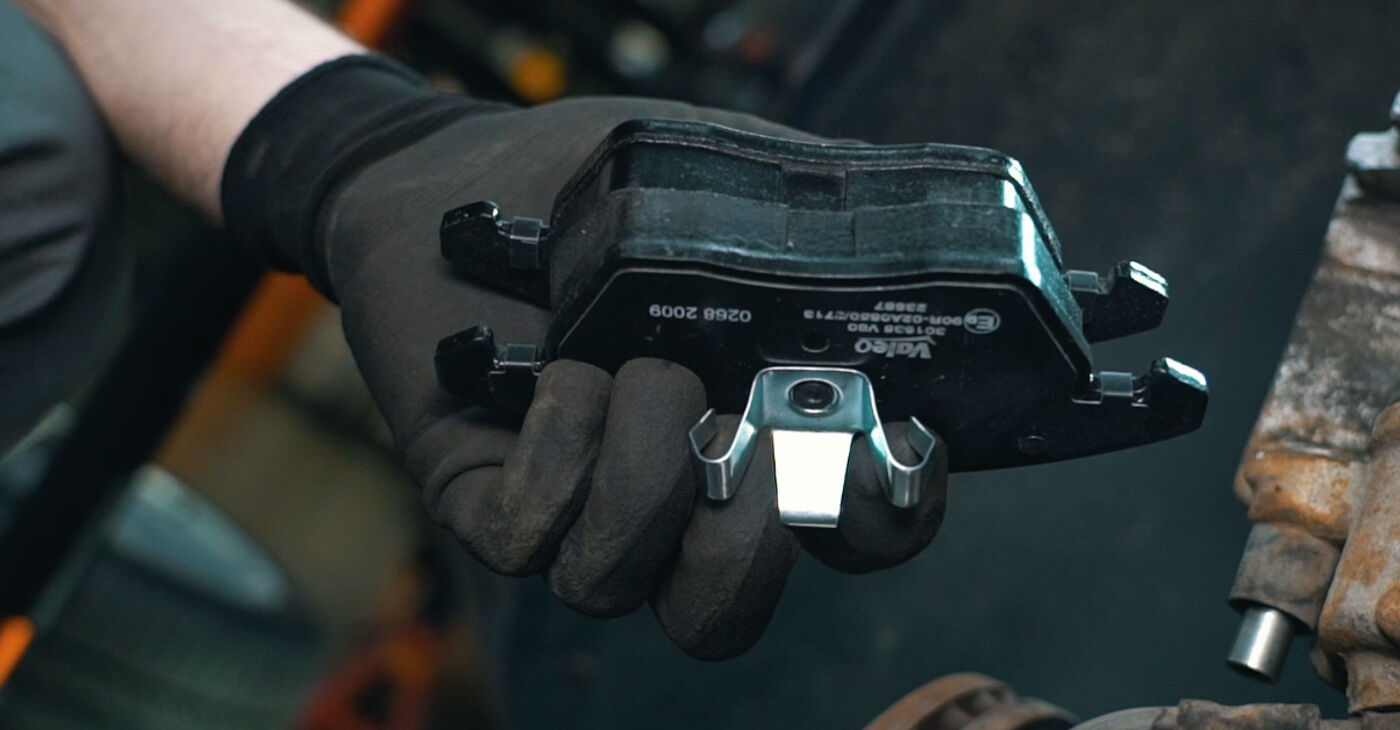
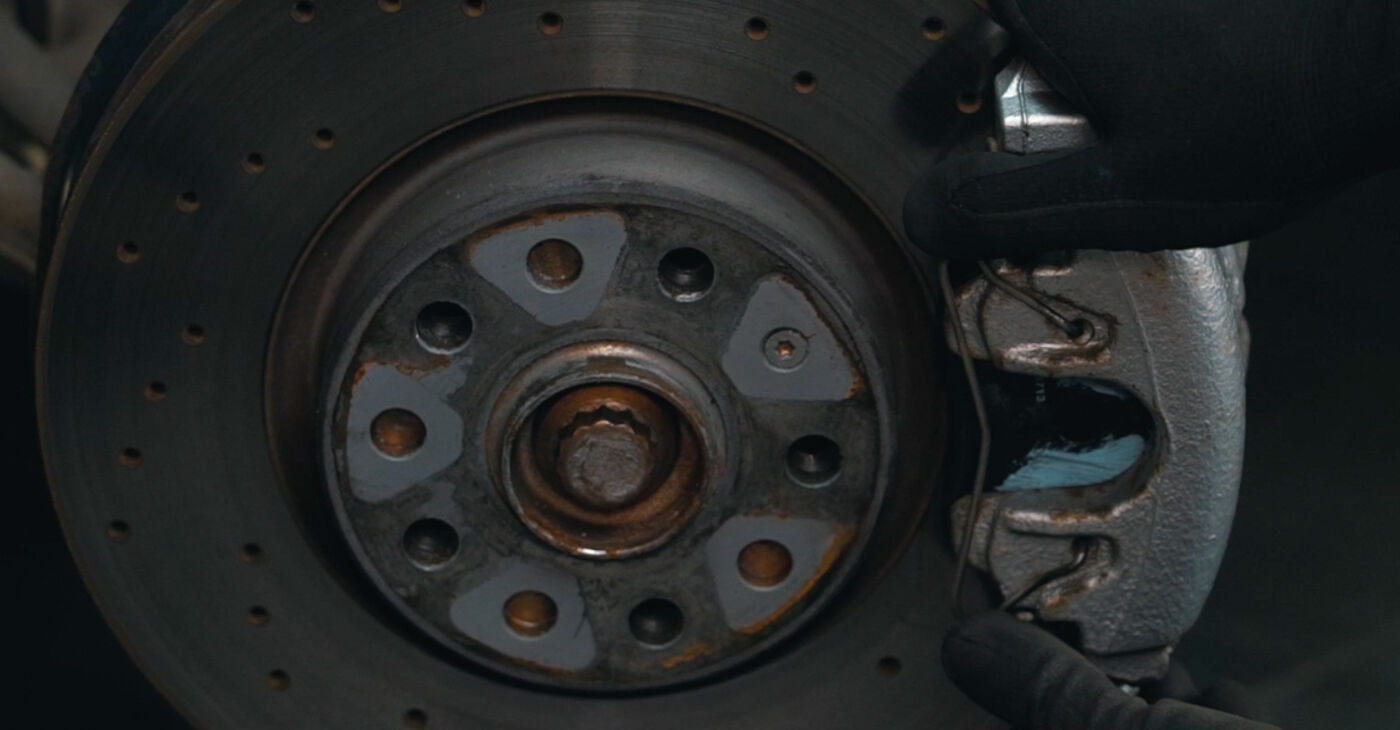
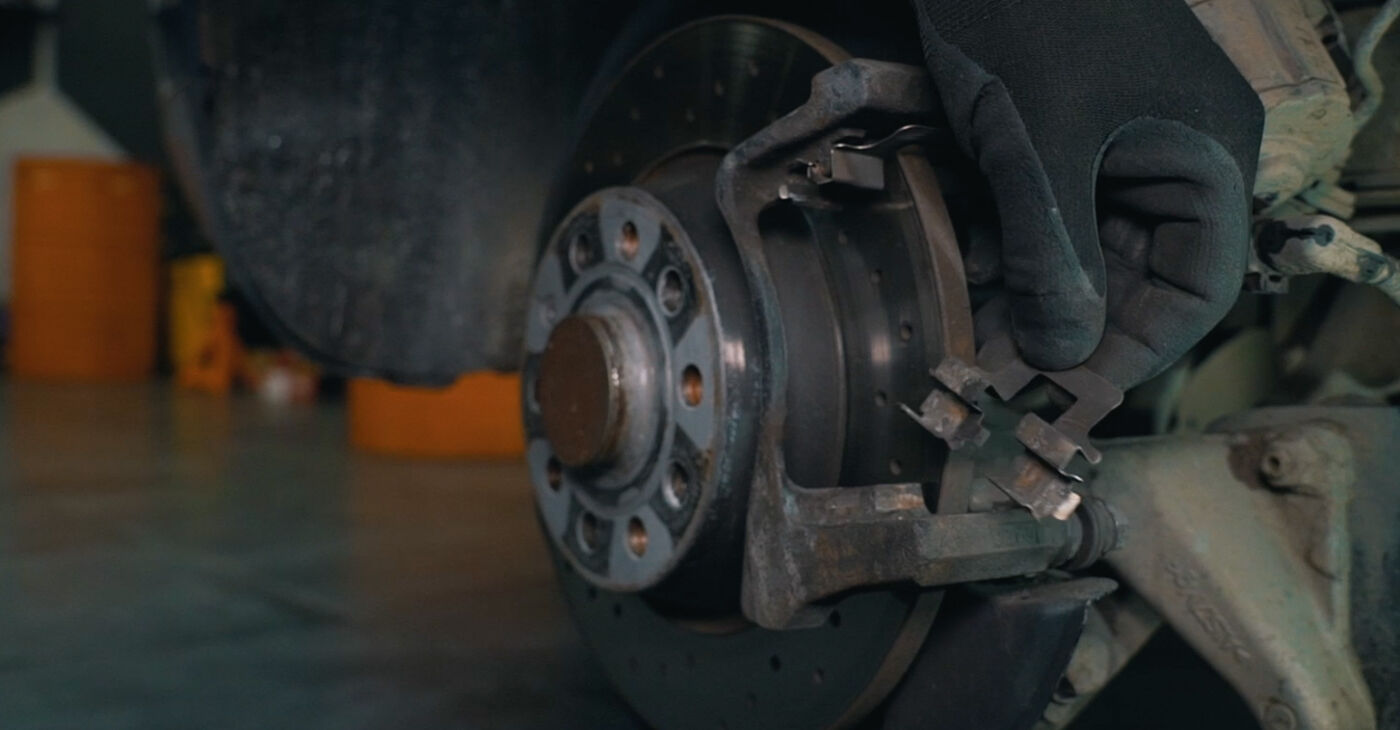 Remove the anti-rattle clips if there are any, and replace them if necessary
 - 30.
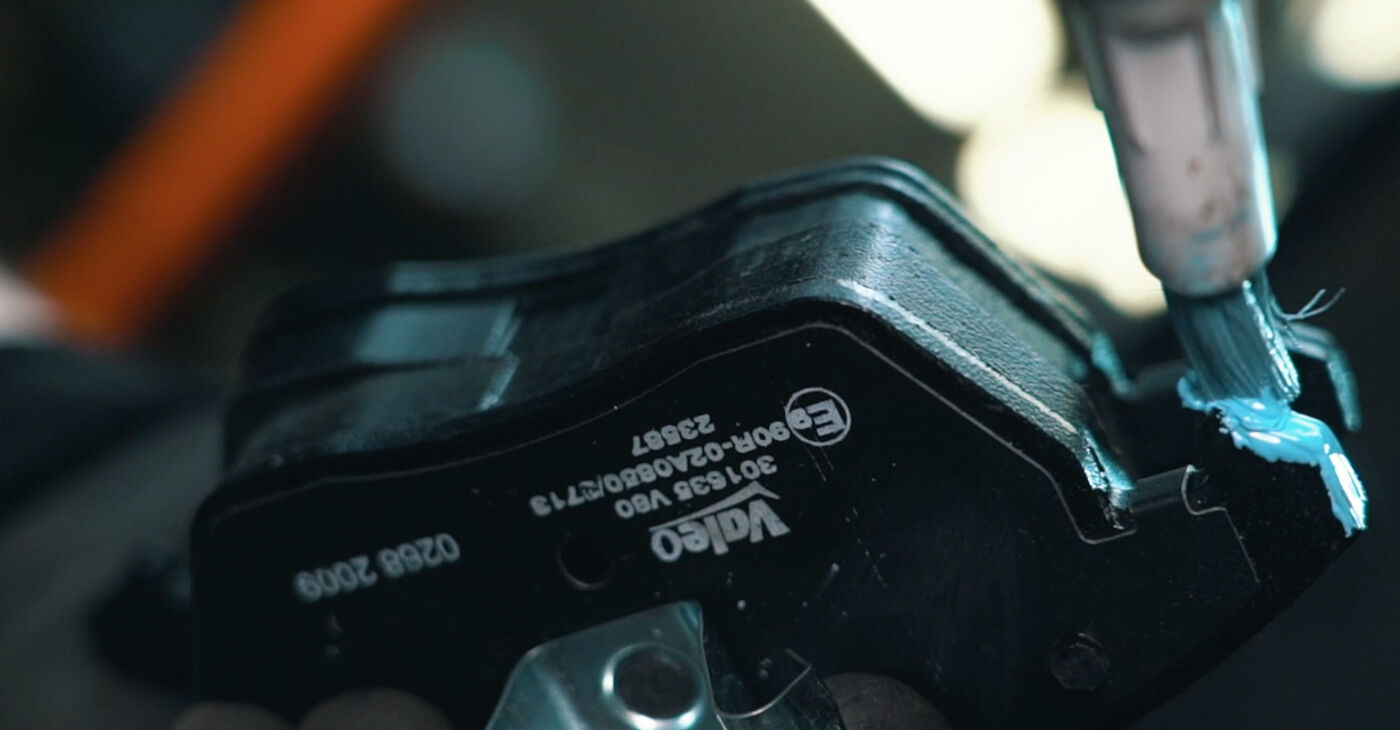
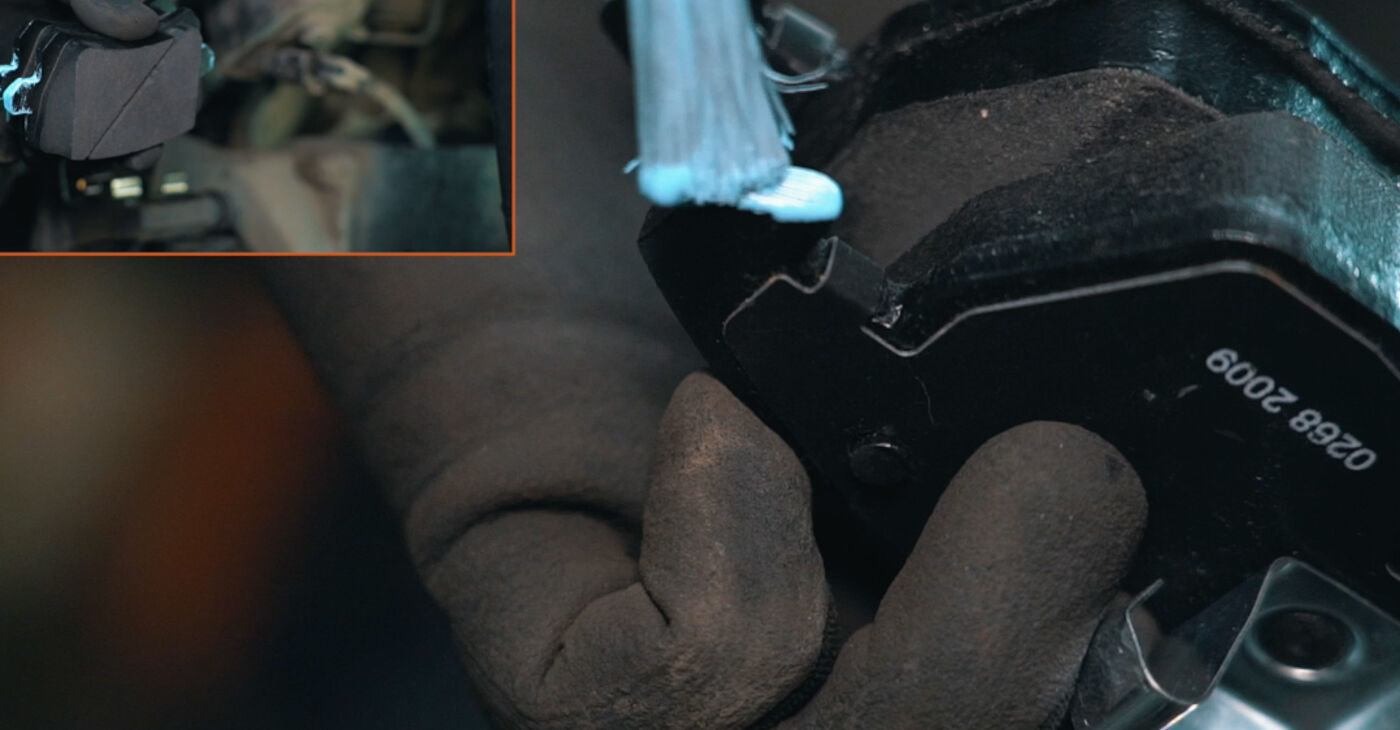
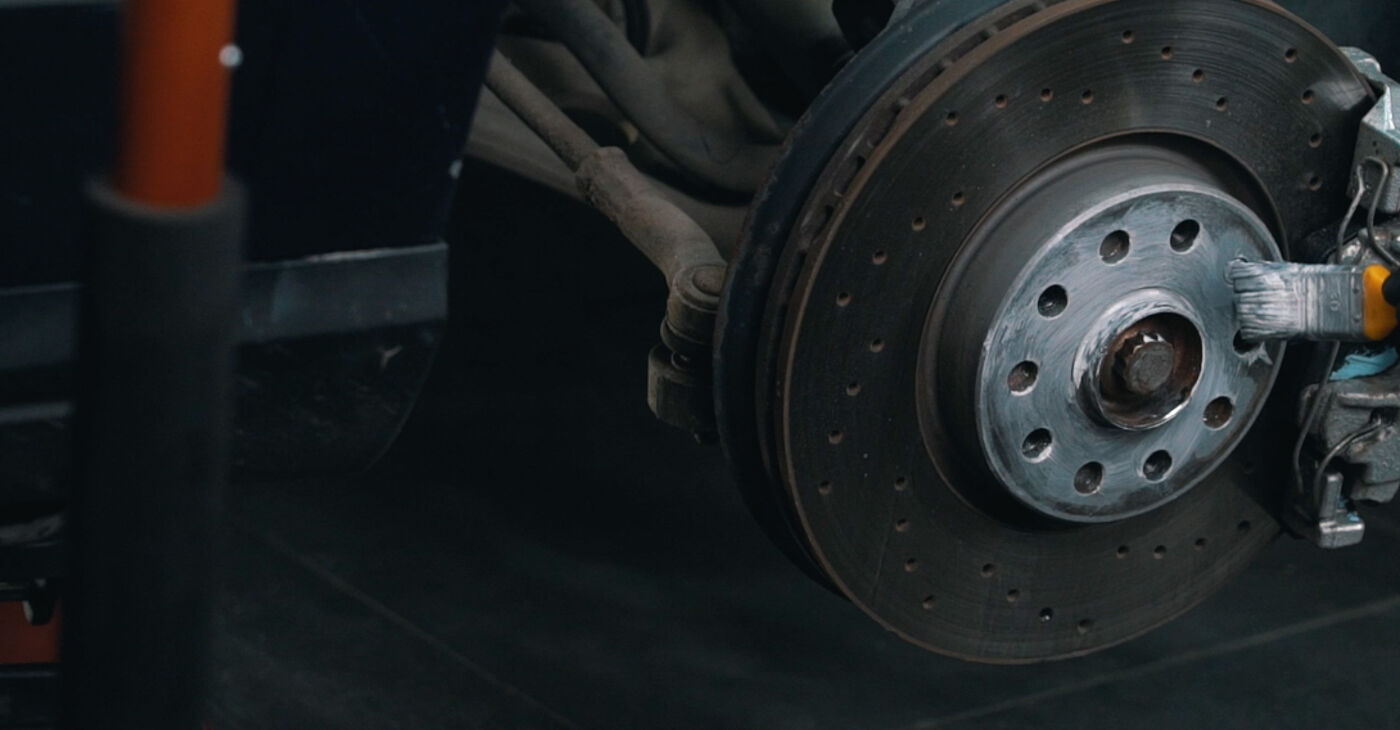
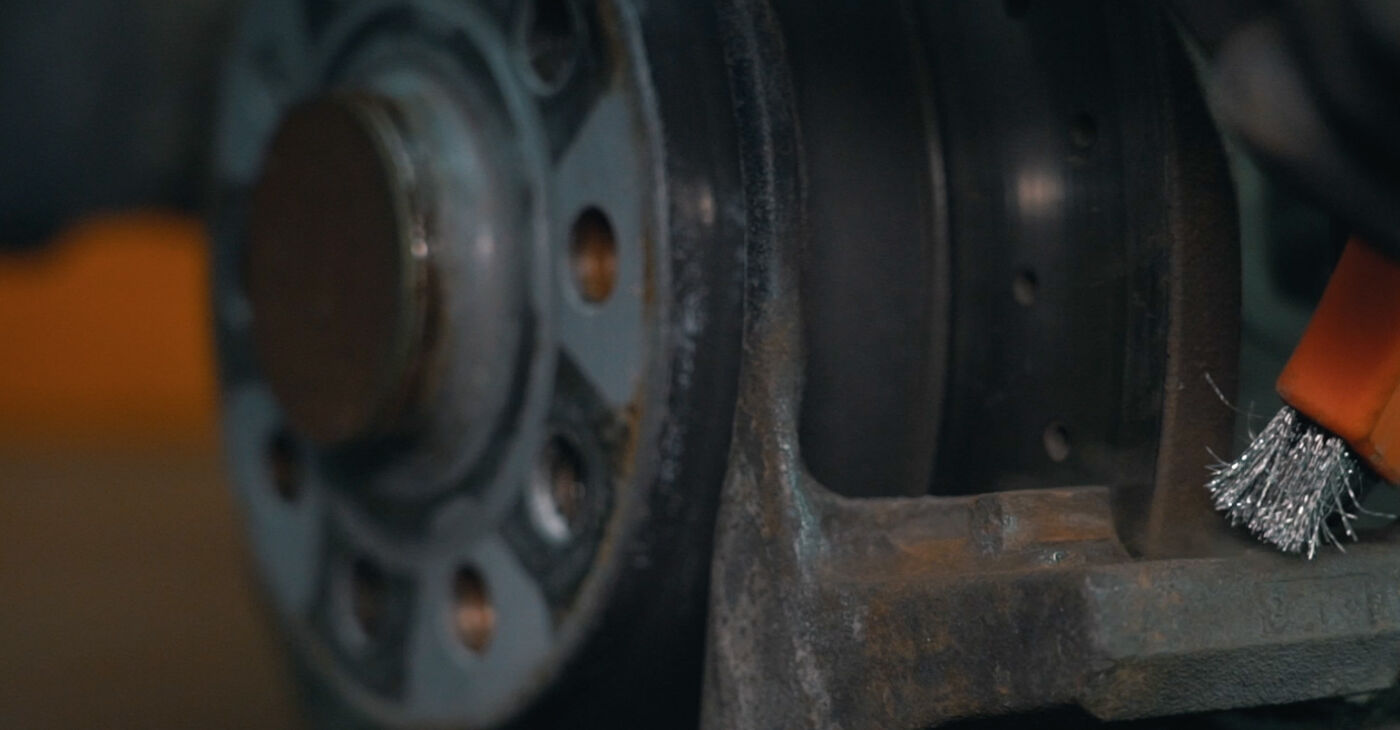 Clean the mounting seats
 - 31.
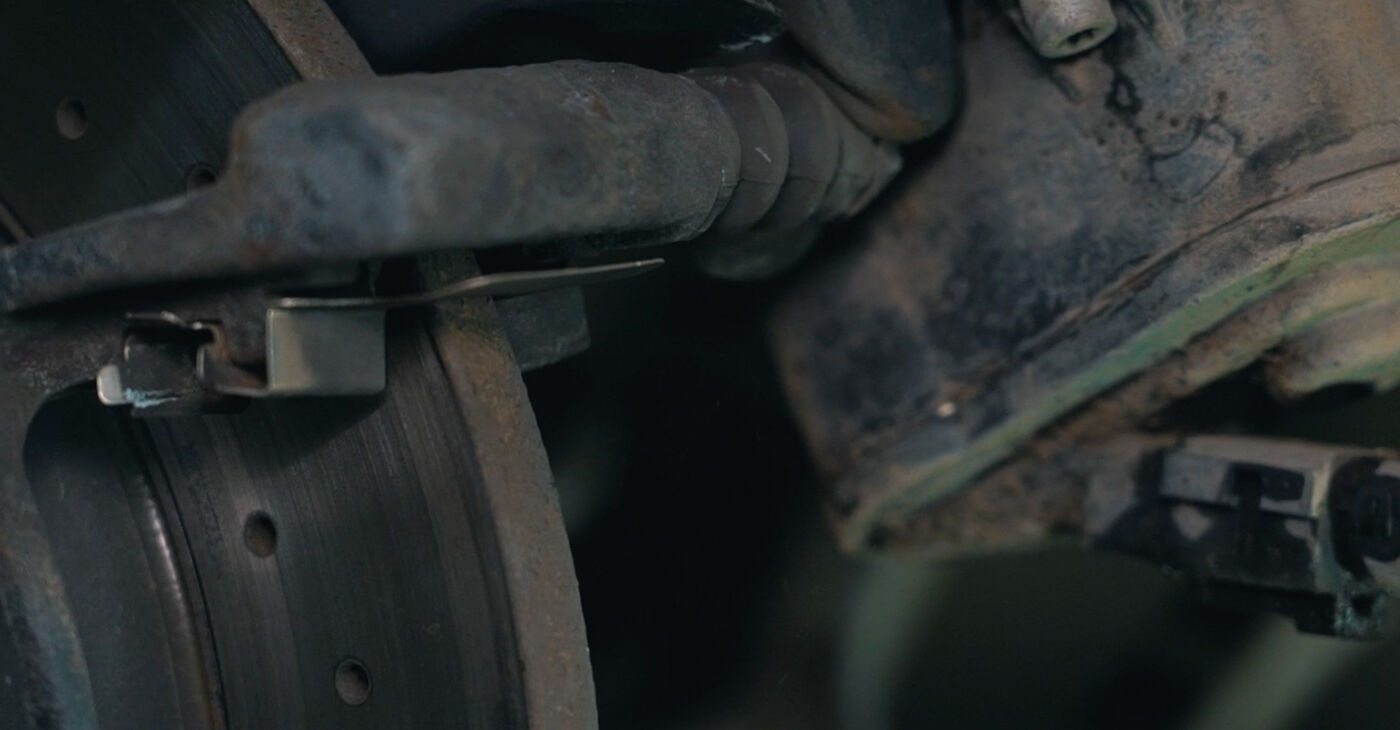 Check the dust boots of the guide pins and make sure that the guide pins themselves move freely
 - 32.
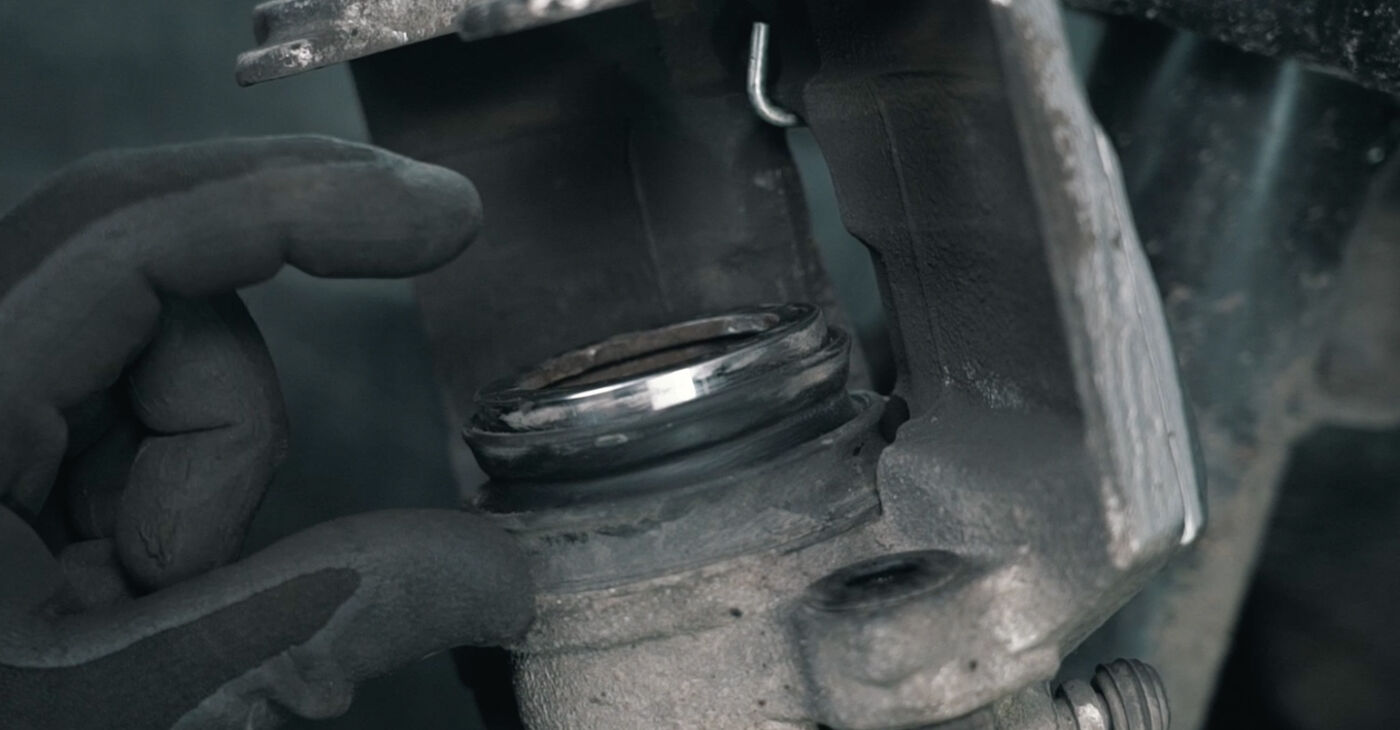
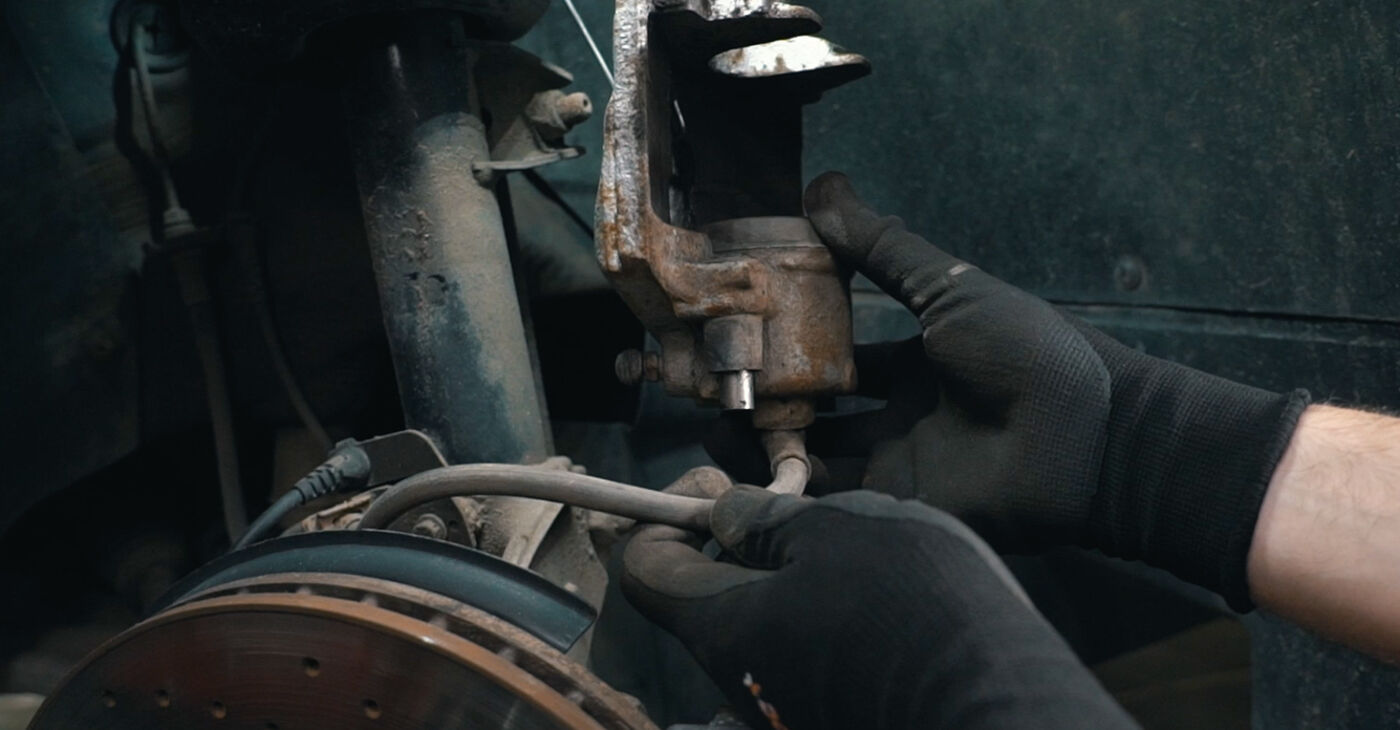 Inspect the dust boots of the caliper pistons and the brake hose and its fasteners
Was this manual helpful?
Please rate this manual on a scale from 1 to 5. If you have any questions, feel free to ask us.
Users voted – 5

Unlock your car maintenance assistant!
Track expenses, manage logs, schedule replacements, and more.
Popular Brake System maintenance tutorials
 Free download PDF
 1.64 MB
 Free download PDF2.92 MB
 Free download PDF2.91 MB
 Free download PDF1.51 MB
 Free download PDF3.01 MB
 Free download PDF983.04 KB
 Free download PDF1.96 MB
 Free download PDF1.95 MB
 Free download PDF2.39 MB
Top auto repair manuals
 Free download PDF1.51 MB
 Free download PDF1.62 MB
 Free download PDF1.98 MB
 Free download PDF2 MB
 Free download PDF2.82 MB
 Free download PDF1.21 MB
 Free download PDF1.5 MB
 Free download PDF1.37 MB
 Free download PDF1.19 MB

























Time to replace parts? Get even better deals in our Shop app.

SCAN ME