Error code P0440 is displayed and the check engine light is on - what does this mean?
The DTC P0440 indicates that the OBD system has detected a problem in the fuel vapor recovery system (EVAP). This fault code indicates a general malfunction in the EVAP system that prevents fuel vapors from being properly recovered. Different manufacturers may have slightly different names for this code, but it always refers to the evaporative emission system.
What can cause this error code?
- Defective or clogged activated charcoal container
- Damaged fuel filler cap or faulty fuel filler cap seal
- Cracked or porous fuel lines in the EVAP system
- Defective purge valve (purge valve)
- Faulty tank vent valve
- Blocked or damaged vapor lines
- Loose or corroded plug connections
- Defective pressure sensor in the fuel tank
- Leaks in the entire EVAP system
What symptoms occur in parallel with fault code P0440?
- Fuel smell: Perceptible smell of gasoline, especially when refueling or parking
- Engine performance: Slight loss of power or irregular engine running possible
- Fuel tank problems: Difficulty refueling or premature shutdown of the fuel nozzle
- Starting behavior: Occasionally difficult cold starts
- Fuel consumption: Minimal increase in consumption due to inefficient vapor recovery
How can the problem with error code P0440 be rectified?
- Repairing the EVAP system requires a systematic diagnosis, as various components can be affected.
- Check and replace the tank cap: Check the fuel filler cap gasket for cracks or wear and replace the entire cap if damaged, as this is the most common and cost-effective solution.
- Test EVAP lines for leaks: Perform a pressure test of the entire EVAP system, locate leaks with smoke test or soapy water and replace damaged lines completely.
- Replace activated charcoal container: Remove the carbon canister, check for clogging or damage and install a new canister including all connecting lines.
- Replace purge valve: Test the purge valve electrically and mechanically and replace it together with the associated vacuum lines if it is not working properly.
- Repair tank purge valve: Locate the vent valve on the fuel tank, check its function and replace it if defective, including the seals.
- Carry out a complete system diagnosis: Have a professional EVAP system diagnosis carried out using special tools and replace all faulty components in one operation.
FAQ - Frequently asked questions about DTC P0440
Can I continue driving with error code P0440?
Yes, you can generally continue driving, as P0440 does not pose an immediate risk to the engine or safety. However, you should have the fault rectified promptly, as it leads to increased emissions and may cause problems at the next general inspection.
How much does it cost to repair error code P0440?
The costs vary greatly depending on the cause: a new fuel filler cap costs 15-40 euros, while a complete activated carbon tank can cost 150-400 euros. The working time for the diagnosis is usually 1-2 hours, for more extensive repairs up to 4 hours.
How long does it take to repair error code P0440?
The repair time depends on the cause: A tank cap replacement takes a few minutes, while replacing the activated charcoal container or extensive line repairs can take 2-4 hours.
Can error code P0440 be caused by incorrect refueling?
Yes, excessive refueling or refueling after the nozzle has been switched off for the first time can overload the EVAP system with liquid fuel and trigger code P0440. Therefore, avoid "filling up" beyond the first stop.
Is the error code P0440 manufacturer-specific?
No, P0440 is a standardized OBD-II code that has the same basic meaning for all manufacturers. However, the specific EVAP system components and their arrangement may vary depending on the manufacturer and model.
Can I repair error code P0440 myself?
Simple repairs such as changing the fuel cap can be carried out by yourself, but more complex EVAP system repairs require specialist tools and knowledge. When working on the fuel system, you should always observe the safety regulations and, if in doubt, visit a specialist workshop.


 How to change front wheel bearing on MERCEDES-BENZ M W163 TUTORIAL | AUTODOC
 How to change fuel filter BMW 3 (E90) [TUTORIAL AUTODOC]
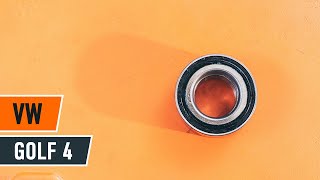 How to change Front wheel bearing on VW GOLF 4 TUTORIAL | AUTODOC
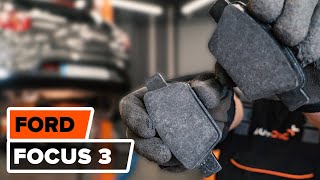 How to change a rear brake pads FORD FOCUS 3 TUTORIAL | AUTODOC
 How to change pollen filter / cabin filter on AUDI A6 (C6) [TUTORIAL AUTODOC]
 How to change engine thermostat on PEUGEOT 207 [TUTORIAL AUTODOC]
 How to change fuel filter NISSAN X-TRAIL T30 TUTORIAL | AUTODOC
 How to change front wheel bearing TOYOTA YARIS XP10 TUTORIAL | AUTODOC
 Free download PDF 1.38 MB
 Free download PDF 1.62 MB
 Free download PDF 4.12 MB
 Free download PDF 7.83 MB
 Free download PDF 3.8 MB
 Free download PDF 7.01 MB

 Ask on the forum

 The Fast and Easy Way to Fix a Broken Wheel Stud | AUTODOC tips
 Top 4 Car Cleaning Products to Protect Your Car's Body | AUTODOC Tips
 DIY Mercedes-Benz alternator restoration
 The most common problems when buying a used car | AUTODOC