Error code P0322 is displayed and the check engine light is on - what does this mean?
With DTC P0322, the OBD/EOBD system detects a problem with the crankshaft sensor or its signal circuit, with no signal or too weak a signal being received from the sensor. This fault code affects the engine management and ignition control, as the crankshaft sensor is crucial for the correct functioning of the engine. For various manufacturers, this trouble code may also be referred to as "Crankshaft Position Sensor A Circuit Low" or "Crankshaft Position Sensor Circuit Low".
What causes can this error code have?
- Defective crankshaft sensor
- Damaged or broken sensor cable
- Corroded or loose plug connections on the sensor
- Defective engine control unit input stage
- Dirty or damaged sensor ring on the crankshaft
- Short circuit in the sensor wiring
- Insufficient power supply to the sensor
- Mechanical damage to the sensor holder
What symptoms occur in parallel with fault code P0322?
- Starting problems: The vehicle is difficult to start or does not start at all because the engine control unit cannot detect the crankshaft position. Engine misfires: Irregular engine running and jerky movements while driving, especially at low engine speeds. Loss of power: Significantly reduced engine power and poor acceleration due to incorrect ignition times. Engine stalls: The engine may suddenly stall while driving, especially when idling or stopping. Increased fuel consumption: The engine control unit cannot work optimally without correct crankshaft signals, resulting in higher fuel consumption.
How to fix the problem of fault code P0322?
- Repairing fault code P0322 requires a systematic diagnosis to identify the exact cause.
- Replace the crankshaft sensor: Carefully remove the old sensor, thoroughly clean the installation site and install a new OEM sensor with the correct tightening torque
- Repair sensor wiring: Check the entire cable bundle for breaks, chafing or corrosion and replace damaged cable sections or the complete cable set
- Clean and secure plug connections: Disconnect all plug connections, clean the contacts with contact spray and ensure that all connections are tight and corrosion-free
- Clean the sensor ring on the crankshaft: Remove metal shavings, oil or other contaminants from the sensor ring and check it for mechanical damage
- Check the engine control unit and replace if necessary: Have the input stage of the control unit tested by a specialist workshop and replace the entire unit if it is defective
- Carry out a complete sensor calibration: After replacing components, carry out a complete reprogramming and calibration of the system
FAQ - Frequently asked questions about DTC P0322
Can I continue driving with error code P0322?
No, you should not continue driving with code P0322. The defective crankshaft sensor can lead to sudden engine failure, which represents a considerable safety risk. Have the vehicle repaired immediately.
How much does it cost to repair error code P0322?
The cost of rectifying EOBD error P0322 is between 80 and 400 euros. A new crankshaft sensor costs around 50-150 euros, while cable repairs are cheaper. Engine control unit defects can cost up to 1,500 euros.
How do I recognize a defective crankshaft sensor with P0322?
Typical signs are starting problems, irregular idling, sudden engine failure and the check engine light. You can use an OBD scanner to read out the error code P0322 and monitor the sensor signals in real time.
Can I replace the crankshaft sensor with P0322 myself?
Replacement is technically challenging as the sensor is often difficult to access. You will need special tools and should note the exact installation position. If you are unsure, contact a specialist workshop.
How long does it take to repair error code P0322?
The repair time is 1-4 hours, depending on the cause. A simple sensor replacement takes around 1-2 hours, while cable repairs or control unit replacements can take longer.
Can fault code P0322 be caused by poor engine oil?
Indirectly yes, as contaminated or incorrect engine oil can lead to deposits on the sensor ring. Regular oil changes with the correct specification help to avoid such problems.


 How to change front wheel bearing on MERCEDES-BENZ M W163 TUTORIAL | AUTODOC
 How to change fuel filter BMW 3 (E90) [TUTORIAL AUTODOC]
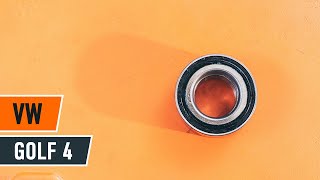 How to change Front wheel bearing on VW GOLF 4 TUTORIAL | AUTODOC
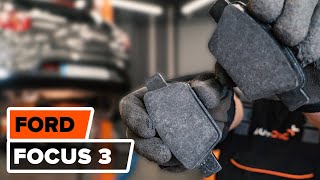 How to change a rear brake pads FORD FOCUS 3 TUTORIAL | AUTODOC
 How to change pollen filter / cabin filter on AUDI A6 (C6) [TUTORIAL AUTODOC]
 How to change engine thermostat on PEUGEOT 207 [TUTORIAL AUTODOC]
 How to change fuel filter NISSAN X-TRAIL T30 TUTORIAL | AUTODOC
 How to change front wheel bearing TOYOTA YARIS XP10 TUTORIAL | AUTODOC
 Free download PDF 1.38 MB
 Free download PDF 1.62 MB
 Free download PDF 4.12 MB
 Free download PDF 7.83 MB
 Free download PDF 3.8 MB
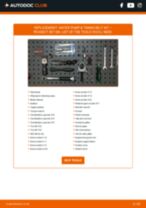 Free download PDF 7.01 MB

 Ask on the forum

 What to do if your car’s bonnet won’t open | AUTODOC tips
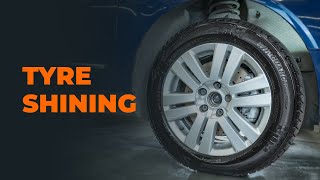 Revive Your Tyres: Expert Tips for a Lasting Shine | AUTODOC Guide
 The Ultimate Guide to Engine Bay Cleaning | AUTODOC
 How to identify a faulty CV joint