Error code P0133 is displayed and the check engine light is on - what does this mean?
The OBD/EOBD system has detected that the lambda sensor upstream of the catalytic converter (bank 1, sensor 1) is responding too slowly to changes in the fuel/air mixture. This DTC P0133 indicates a delayed response time of the oxygen sensor, which can affect the engine control. The designation may vary slightly for different manufacturers, but the basic problem remains the same.
What causes can this error code have?
- Defective lambda sensor (O2 sensor)
- Contaminated or aged oxygen sensor
- Damaged wiring to the lambda sensor
- Corroded or loose plug connections
- Defective engine control unit
- Leaks in the intake system
- Clogged air filter
- Fuel system problems (injectors, fuel pump)
- Exhaust gas leaks upstream of the lambda sensor
What symptoms occur in parallel with fault code P0133?
- Increased fuel consumption: The vehicle requires more fuel than usual
- Uneven idling: The engine runs unevenly when stationary
- Loss of power: Reduced engine power during acceleration
- Exhaust odor: Increased or unusual odor from the exhaust
- Engine misfires: Jerking or stuttering while driving
- Poor exhaust values: Increased emissions during the emissions test
How can the problem with error code P0133 be rectified?
- Repairing trouble code P0133 requires a systematic approach to identifying and eliminating the cause.
- Replace the lambda sensor completely, as a sluggishly reacting sensor cannot usually be repaired and must be replaced with a new original or high-quality replica sensor
- Check, clean or repair the wiring and plug connections to the oxygen sensor, including checking for corrosion, breakages or loose contacts
- Replace the air filter and check the intake system for leaks, as dirty filters or incorrect air supply can affect the sensor values
- Have the fuel system cleaned, check the injection nozzles and, if necessary, replace the fuel filter to ensure optimum mixture formation
- Check the exhaust system for leaks upstream of the lambda sensor and seal it, as extraneous air can falsify the measured values
- Read out the engine control unit, reset it and have it professionally checked or replaced if the error code occurs repeatedly
FAQ - Frequently asked questions about DTC P0133
Can I continue driving with error code P0133?
Driving is possible in the short term, but not recommended. Error code P0133 can lead to increased fuel consumption and poor exhaust emissions. A prompt repair is good for the environment and your wallet.
How much does it cost to repair error code P0133?
The costs vary depending on the cause: A new lambda sensor costs between 80-200 euros plus labor (50-100 euros). If there are wiring problems, the repair costs can be between 100-300 euros.
How do I recognize a defective lambda sensor with code P0133?
Typical signs are uneven idling, increased consumption and black smoke from the exhaust. A professional OBD diagnosis can clearly demonstrate the slow response time of the sensor.
Can I change the lambda sensor in P0133 myself?
With the right tools and experience, it is possible to change the sensor. However, due to the electrical connections and correct positioning, laypersons should consult a specialist workshop.
How long does a lambda sensor normally last?
A lambda sensor typically lasts 100,000-150,000 kilometers. However, with frequent short journeys or poor quality fuels, the service life can be significantly shorter.
Can fault code P0133 be caused by poor quality fuel?
Yes, poor quality or contaminated fuel can contaminate the lambda sensor and slow down its response time. Regular use of quality fuel prevents this problem.


 How to change front wheel bearing on MERCEDES-BENZ M W163 TUTORIAL | AUTODOC
 How to change fuel filter BMW 3 (E90) [TUTORIAL AUTODOC]
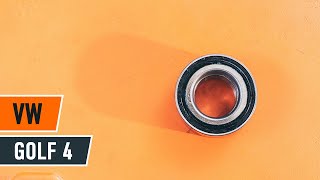 How to change Front wheel bearing on VW GOLF 4 TUTORIAL | AUTODOC
 How to change a rear brake pads FORD FOCUS 3 TUTORIAL | AUTODOC
 How to change pollen filter / cabin filter on AUDI A6 (C6) [TUTORIAL AUTODOC]
 How to change engine thermostat on PEUGEOT 207 [TUTORIAL AUTODOC]
 How to change fuel filter NISSAN X-TRAIL T30 TUTORIAL | AUTODOC
 How to change front wheel bearing TOYOTA YARIS XP10 TUTORIAL | AUTODOC
 Free download PDF 1.38 MB
 Free download PDF 1.62 MB
 Free download PDF 4.12 MB
 Free download PDF 7.83 MB
 Free download PDF 3.8 MB
 Free download PDF 7.01 MB

 Ask on the forum



 What to do if the ABS light comes on: DIY Diagnostics Tips
 DIY engine block coffee table
 How to clean the engine bay perfectly
 How to identify a faulty CV joint