


Car’s headlights are essential safety features that illuminate the road ahead during darkness and bad weather. They help you spot potential hazards, other vehicles, and pedestrians whilst ensuring your car remains visible to everyone else on the road. Modern vehicles offer multiple lighting modes, with main beam headlights giving you the brightest and longest-range illumination for specific driving situations.
What are main beam headlights?
Your main beam headlights, usually called high beams or full beam headlights, deliver maximum illumination when you’re driving on dark, unlit roads with minimal traffic. These powerful front lights project significantly further and wider than your standard dipped headlights, helping you spot hazards, wildlife, and road conditions much earlier.
However, their intense brightness can dangerously dazzle other road users, including drivers, cyclists, and pedestrians. You must immediately switch to dipped headlights when approaching oncoming traffic, following another vehicle closely, or driving through built-up areas. The flickers and blinders effect caused by inappropriate main beam use can temporarily blind other drivers, potentially causing serious accidents.
Many modern vehicles feature automatic high beam systems that detect other vehicles and switch between lighting modes without you needing to intervene.

What is the main beam light symbol?
You’ll recognise the main beam symbol as a distinctive blue dashboard indicator featuring a bulb icon with straight, horizontal lines radiating outward. These lines represent your headlamps projecting forward, whilst the bulb typically resembles a rounded or D-shaped design. When illuminated, this main beam headlights symbol confirms your front headlights are active and providing enhanced long-range visibility. Unlike the green dipped headlight symbol, the blue colour specifically indicates high beam operation.
Some vehicles display additional information alongside this symbol, such as automatic high beam status or beam pattern adjustments. The symbol remains constantly visible whilst your main beams operate, serving as a helpful reminder about your current lighting configuration and preventing you from inadvertently dazzling other road users.
How to turn on full beam lights
You’ll find full beam activation typically involves the car indicator stalk located on your steering column, often the same control that operates your turn signals. Most vehicles require you to push or pull the lever forward or backward from its neutral position to engage high beams. Some cars feature a separate button or twist mechanism on the headlight assembly control switch.
The exact operation varies between manufacturers – some require you to push the stalk away from you, whilst others need you to pull it toward the steering wheel. Many modern vehicles include an automatic high beam function that you can activate through the stalk or dashboard controls.
AUTODOC mechanics always recommend consulting your vehicle’s handbook for specific instructions, as the method can differ between models and manufacturers.
When to use full beam headlights
You should use full beam headlights exclusively on unlit roads during darkness when no other traffic is present or approaching. They’re particularly valuable when you’re driving on rural roads, motorways without street lighting, and areas where wildlife might cross your path. You’ll need to immediately switch to dipped headlights when you see oncoming vehicles, cyclists, or pedestrians, even at considerable distances.
You must also dip your headlamps when following another vehicle, as main beams can severely dazzle drivers through their car rearview mirrors. Avoid using full beams in built-up areas, fog, heavy rain, or snow, as the intense light can reflect back and actually reduce your visibility. Left-hand bends require particular caution, as your lights may dazzle oncoming traffic before you can see their headlights approaching.
Dipped headlights vs. main beam
Your main beams project light much further and higher than dipped headlights, typically illuminating 150–200 metres ahead compared to dipped beams’ 40–50 metre range. This extended visibility helps you anticipate hazards, road conditions, and wildlife much sooner, giving you crucial extra reaction time. However, this powerful illumination comes with significant responsibility – the intense brightness can completely blind other road users if you use them inappropriately.
Your dipped front lights angle downward to illuminate the immediate road surface without affecting oncoming traffic, making them suitable for all normal driving conditions. The difference between dipped headlights and main beam lies entirely in their purpose: one for general use, the other for enhanced visibility in specific conditions. The choice between these lighting modes depends entirely on traffic conditions and road environment rather than your personal preference.

Main beam headlight FAQs
Are high beam headlights and fog lights the same thing?
No, high beam headlights and fog lights serve completely different purposes. Your car fog lights mount low on your vehicle’s front bumper and produce a wide, flat beam designed to cut through fog and heavy rain without reflecting back. High beams form part of your main headlight assembly and project a concentrated, long-range beam for clear weather conditions. Using high beams in fog actually worsens your visibility by creating a dangerous wall of reflected light.
Can I drive with one high beam and one side light?
No, driving with mismatched lighting is illegal and extremely dangerous under UK law. The Road Vehicles Lighting Regulations 1989 and Highway Code require you to have two functioning headlights during darkness and poor visibility. This uneven lighting confuses other drivers about your vehicle’s size and distance, potentially making you appear as a motorcycle. If one of your headlights fails, you must repair it immediately or avoid driving in conditions requiring headlights.
Can a light bar be used as the main beam?
Yes, light bars can legally replace your main beam headlights if they meet specific regulatory requirements and mounting specifications. Many aftermarket light bars exceed standard main beam brightness, offering superior illumination for off-road and rural driving. However, they require proper installation and adjustment to prevent dazzling other road users. You should verify that any light bar installation complies with UK lighting regulations before using them on public roads.
What main beam headlight bulb types are available?
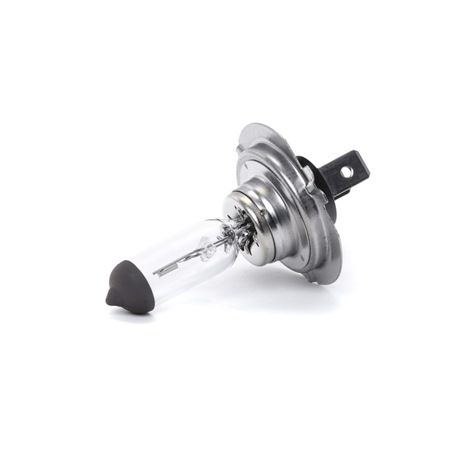
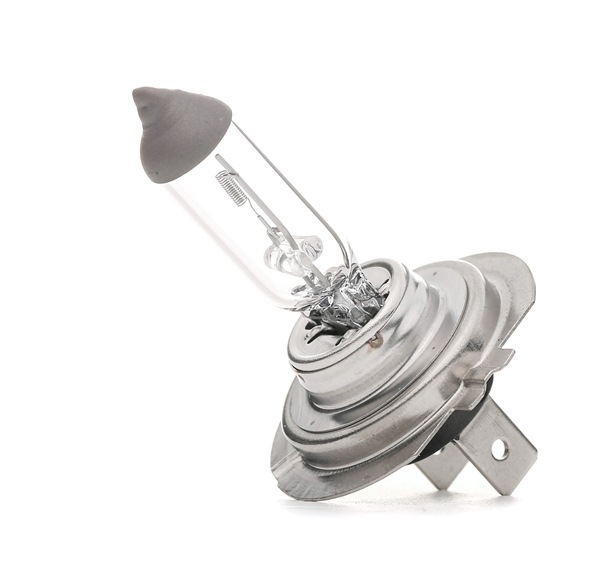
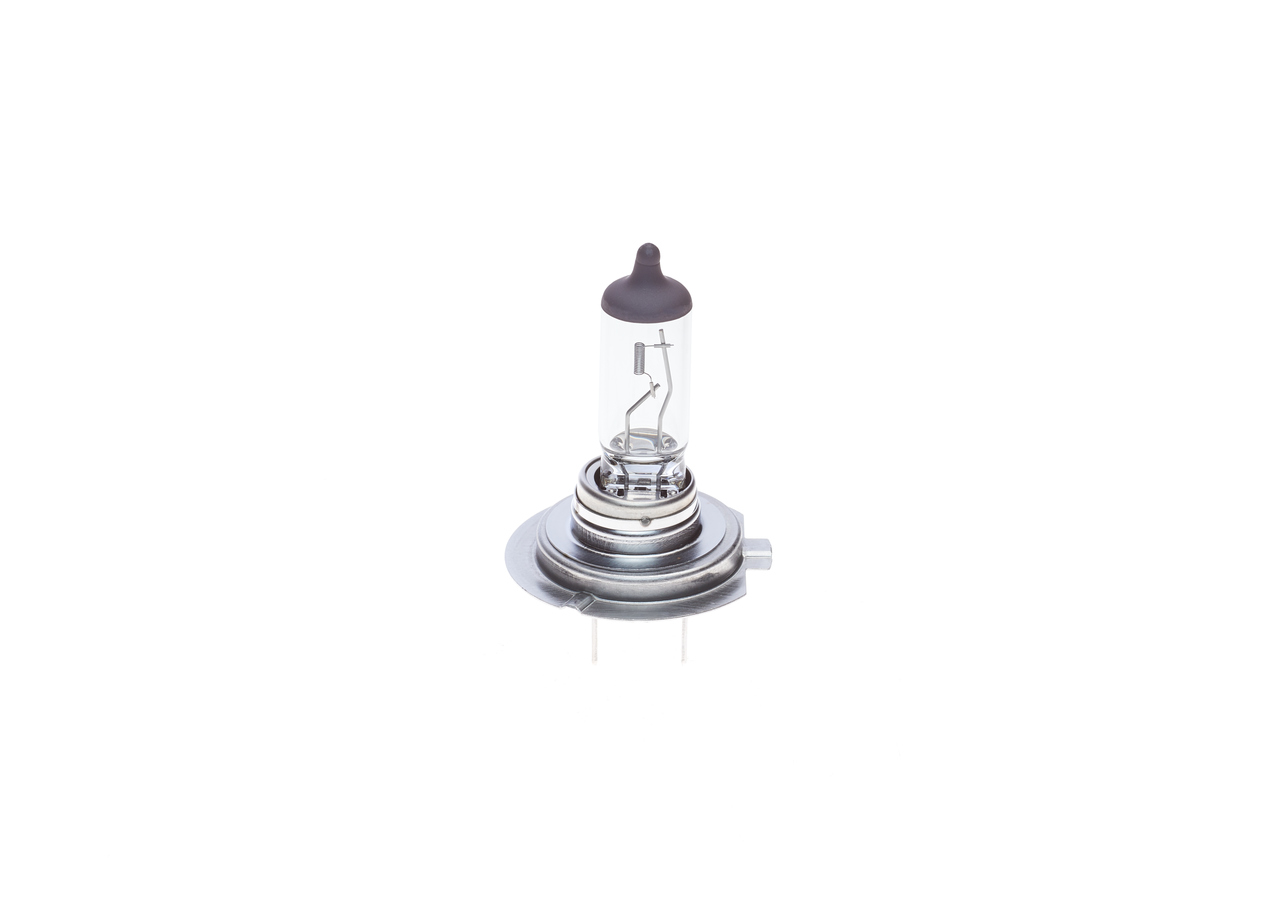
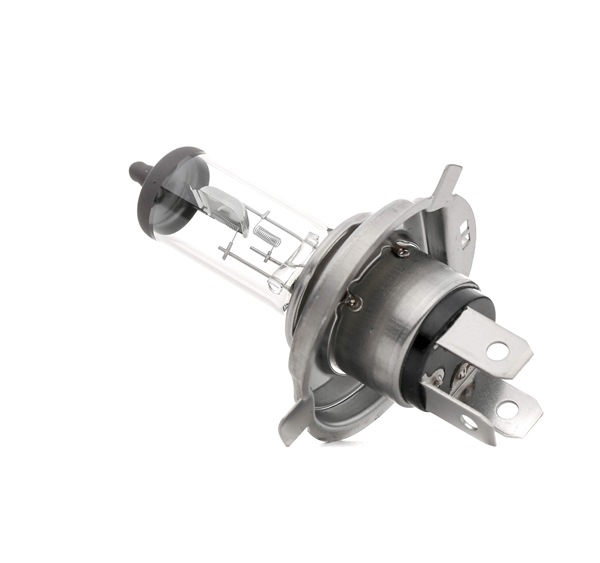
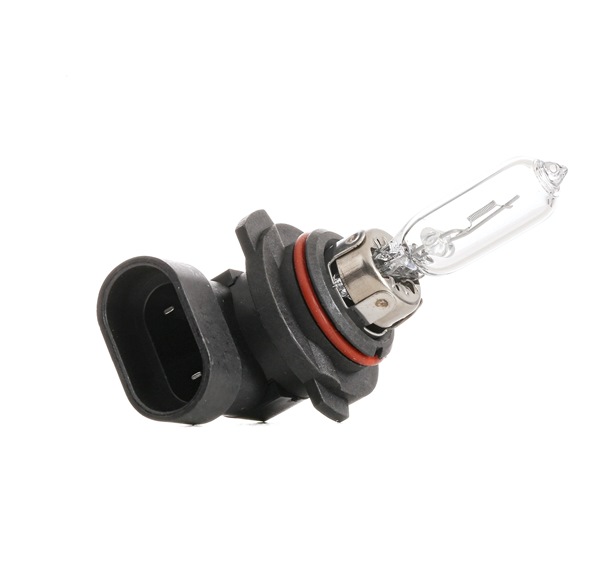
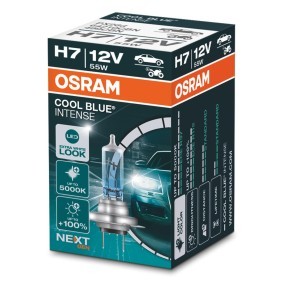
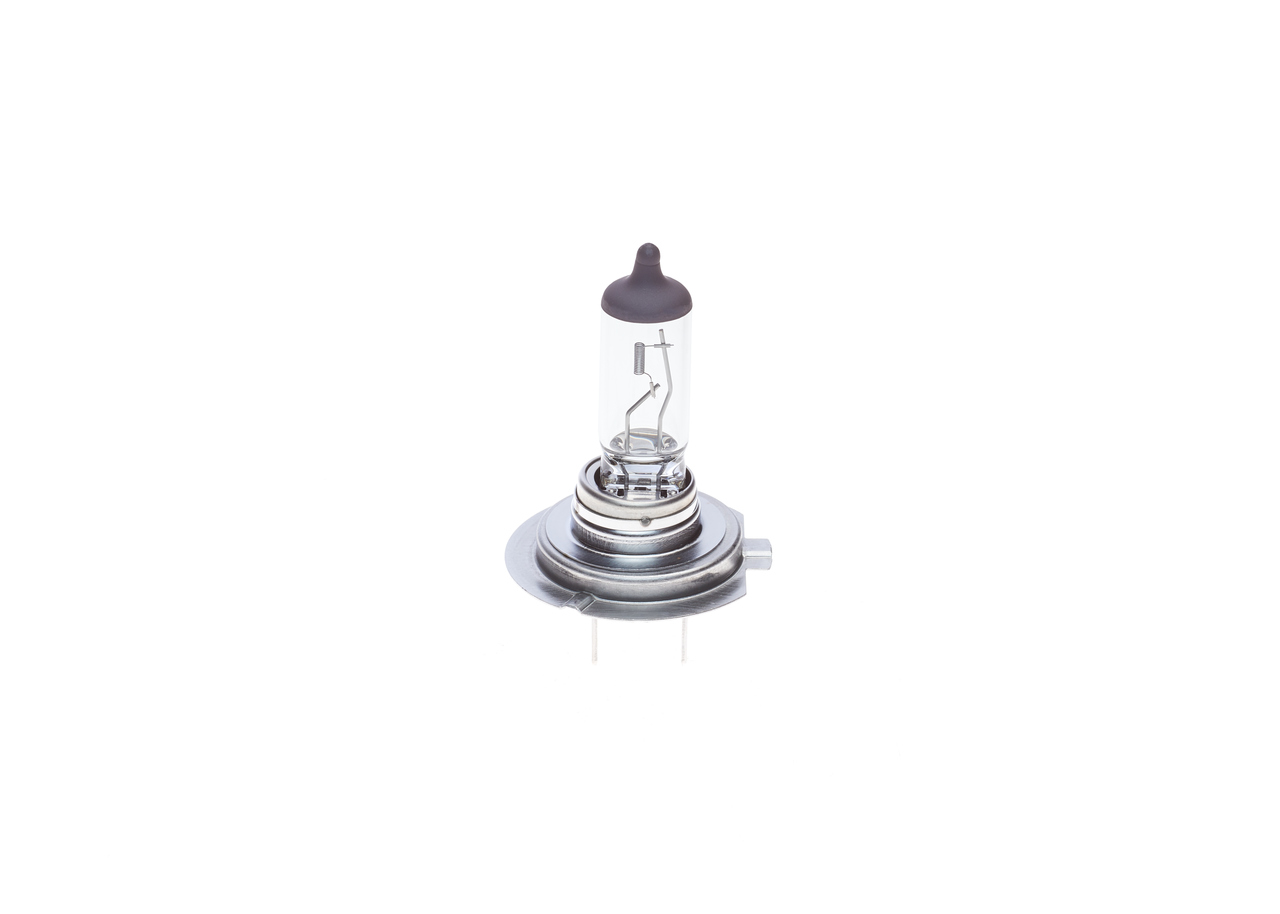
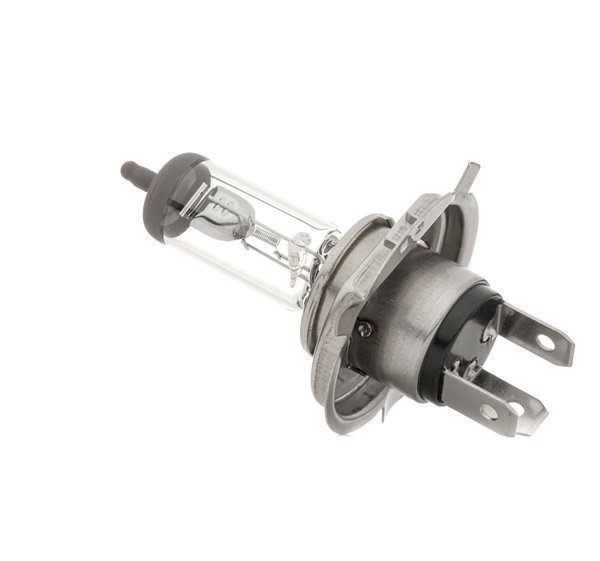
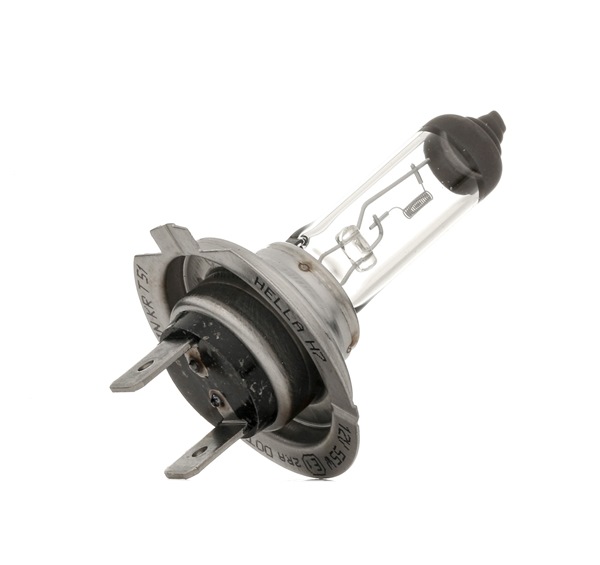
Your modern vehicle uses various bulb technologies for main beam headlight bulb applications, with halogen, LED, and HID systems being most common. Traditional halogen bulbs like H1, H4, and H7 types remain popular due to their affordability and easy replacement, though they consume more power and produce less light than newer alternatives.
LED main beams offer you exceptional longevity, instant illumination, and reduced power consumption whilst generating crisp, white light that improves visibility. HID (xenon) systems provide intense, bright illumination but require ballast units and warm-up time. Some vehicles feature dual-filament bulbs where one filament serves as your dipped beam and another creates the main beam, whilst others use completely separate bulb assemblies for each function.






Comment