


- 1 When should you flash your headlights at other road users?
- 2 What does it mean if someone flashes their headlights at you?
- 3 Is it illegal to flash your headlights in the UK?
- 4 What is an aggressive headlight flashing?
- 5 What is a courteous headlight flashing?
- 6 What if someone flashes their headlights behind me?
- 7 Conclusion
Flashing your car headlights, which involves quickly turning your vehicle’s high beams on and off, is a common but often misunderstood form of communication between drivers on UK roads. In most cars, you can flash your headlamps by quickly pulling the car indicator stalk towards you, which temporarily activates your high beams. This silent signal serves as an “optical horn”, allowing drivers to communicate across distances. Although widely used for various purposes, understanding when it’s legal, and when it could cost you £1,000 in fines, is essential for every motorist.

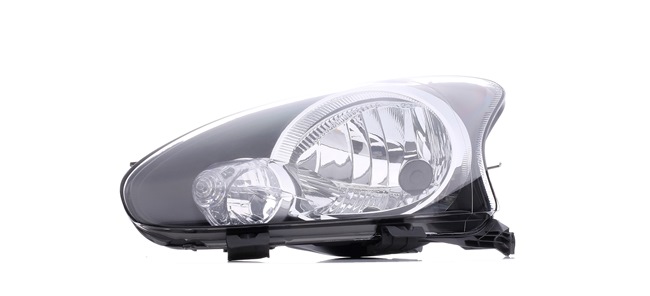
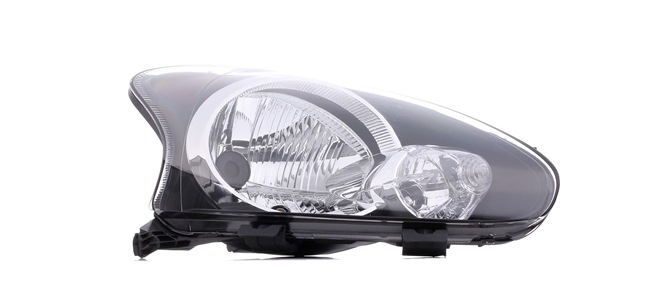
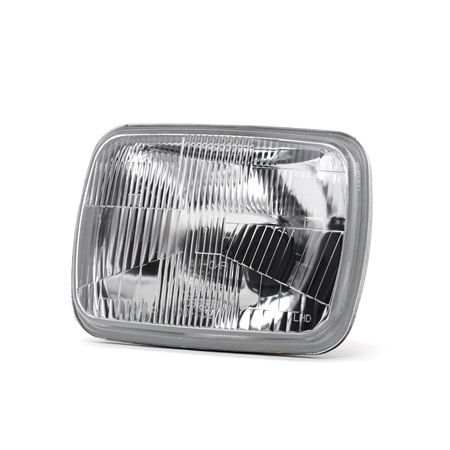

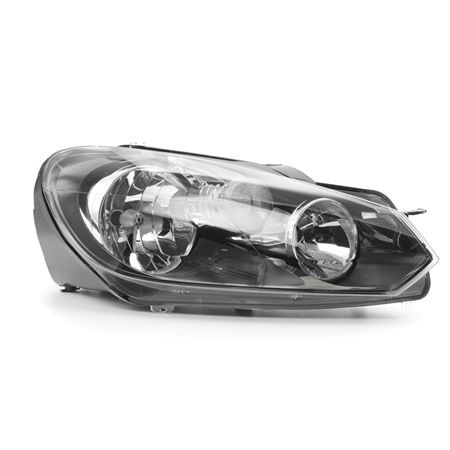
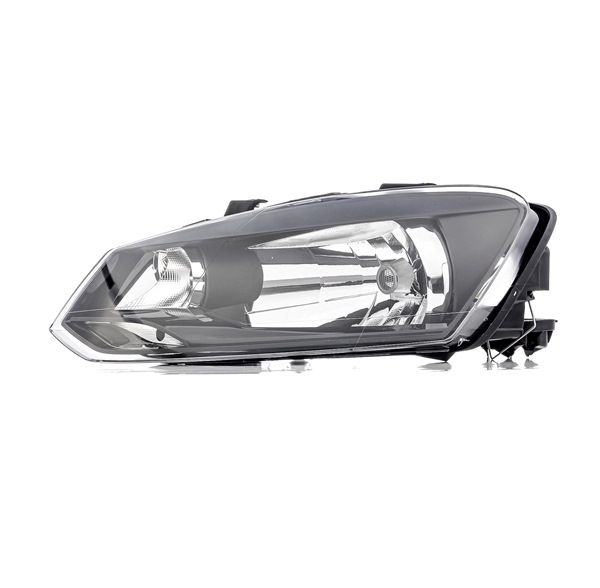


When should you flash your headlights at other road users?
According to the UK Highway Code, you should only flash your headlights “to let other road users know that you are there.” This single legitimate use is the only scenario where headlight flashing is legally permitted.
Despite common practices, flashing headlamps to warn others of speed cameras or police checkpoints could result in fines up to £1,000 under section 89 of the Police Act 1996 for “obstructing police duties.” Many drivers flash their head lights in ways that are not sanctioned by law, for example to signal giving way at junctions, greet other drivers, or warn of road hazards. Some flash to alert others that their lights should be on or that their boot is open.
However, it’s crucial to use headlight flashing prudently to avoid confusion. Misuse can lead to dangerous situations, confusion, and potential legal consequences.
What does it mean if someone flashes their headlights at you?
When a driver flashes their front headlights at you, the meaning can vary widely depending on context. If someone flashes two times, this generally indicates their intention to pass or is meant to alert you to something requiring attention. They might be warning you about a hazard ahead, such as an accident or police speed check. Sometimes, it’s a courtesy signal letting you know they’re yielding right-of-way at a junction. Other drivers flash to alert you that your lights aren’t on after dark or that something’s wrong with your vehicle. However, the Highway Code cautions: “Never assume that flashing headlights is a signal inviting you to proceed. Use your own judgement and proceed carefully.”

Is it illegal to flash your headlights in the UK?
Flashing your headlights in the UK exists in a legal grey area. The Highway Code rule telling drivers to only flash their headlights to signal their presence to other drivers is advisory rather than mandatory, and so not directly enforceable. However, using your headlights for other purposes can potentially lead to prosecution under other laws. Motorists could face fines of up to £1,000 for flashing their headlights to warn others about speed cameras, as this may constitute wilfully obstructing a constable in the execution of his/her duty. While not explicitly illegal in all contexts, misusing headlight signals could also be interpreted as causing confusion or potential hazards, leading to other driving offenses. Proceed with caution and follow official guidance.
Can you be fined for flashing your lights?
Yes, as mentioned above, you can indeed be fined for flashing your headlights under certain circumstances. Drivers caught warning others about speed traps could be prosecuted for obstructing police work, resulting in penalties up to £1,000. Interestingly, those who warn others can receive harsher penalties than the speeding drivers they alerted. Additionally, using full beam headlights inappropriately could lead to charges of inconsiderate driving, which carries a standard penalty of £100 and three points, but serious cases could face court proceedings with fines up to £5,000 and nine points or a driving ban.
Flashing your headlights on your driving test
Flashing your headlights during a driving test could negatively impact your chances of passing. Although not explicitly illegal, AUTODOC experts advise against flashing headlights during a driving test, as examiners may view it as hazardous behaviour.
While signalling to another road user or pedestrian won’t necessarily result in automatic test failure, the outcome depends on the specific situation and the examiner’s judgment. Instead of flashing your lights to communicate with other drivers, examiners expect you to handle situations differently.
For example, if another driver appears pushy or attempts to cut in front of you, the proper response is to safely slow down and create space for them to continue, without using headlight signals. Examiners are specifically watching for how you handle these potentially challenging interactions with other road users, prioritising safety and adherence to the Highway Code.

What is an aggressive headlight flashing?
Aggressive headlight flashing represents a concerning misuse of vehicle lighting systems that creates hazardous road conditions. Some drivers flash their head lights repeatedly at the vehicles in front of them to pressure them to increase speed or move out of their way. This intimidation tactic is particularly dangerous on busy roads.
Some people use rapid headlight flashing to express anger or frustration, or to intimidate other drivers into changing lanes or giving way to them. This kind of behaviour can lead to increased tension between drivers and create dangerous situations, especially in busy, built-up areas where many different road users are navigating complex traffic patterns.
This practice contradicts the Highway Code’s guidance and can contribute to road rage incidents.
What is a courteous headlight flashing?
While the Highway Code limits legitimate headlight flashing to signalling your presence, many drivers use brief, courteous flashes as goodwill gestures on UK roads. A common example is briefly flashing headlights to give way to other road users, such as stopping to allow pedestrians to cross or pulling over to let an oncoming vehicle pass on narrow roads. On single-track roads in rural areas, drivers commonly use headlight flashing (alongside indicators) to communicate they’re giving way to oncoming traffic.
These courteous signals can serve as acknowledgments of other drivers’ actions or as thanks when someone has yielded to you. Despite their good intentions, remember that these uses technically fall outside official Highway Code guidelines.
What if someone flashes their headlights behind me?
If a driver behind you flashes their front headlights, they may be trying to communicate several different messages. Traditionally, flashing headlights from behind was taught as a signal that the driver intended to overtake you. They might be indicating they’d like you to move over when it’s safe to let them pass, especially if you’re travelling slower than the flow of traffic.
Alternatively, they could be alerting you to a problem with your vehicle, such as your lights being off after dark, a door or boot being open, or a potential mechanical issue. In some cases, it might be an aggressive driver pressuring you to increase your speed or let them pass.
Regardless of their intent, maintain your composure and only respond when it’s safe to do so.
Conclusion
Knowing when and how to use your headlights correctly is essential for safe and legal driving in the UK. Although informal headlight signals have become part of driving culture, remember that the Highway Code provides clear guidance. Always prioritise road safety over convenience, be mindful of how your signals might be interpreted and exercise good judgement when communicating with other road users.




Comment