

- 1 What is an MOT test and why is it required?
- 2 Consequences of driving a car without a valid MOT
- 3 Can you tax a car without an MOT certificate?
- 4 Regulations regarding taxing a car without an MOT certificate
- 5 Can you tax a car without an MOT and insurance?
- 6 Penalties for driving a car without insurance and MOT
- 7 Can you tax a car without an MOT in Northern Ireland?
- 8 How to ensure compliance with MOT and tax requirements in NI
- 9 Can you drive a SORN car to an MOT test without tax?
- 10 Alternatives for legally transporting a SORN car
- 11 Can you insure a car without tax and MOT with DVLA?
- 12 Risks associated with driving an uninsured and untaxed vehicle
- 13 Conclusion
- 14 Frequently Asked Questions (FAQ)
A surprising number of UK motorists still ask whether they can renew vehicle tax if the car’s MOT has expired. In almost every case, the answer is no. There are, however, narrowly defined exceptions and each involves strict conditions. According to AUTODOC experts, keeping MOT, tax and insurance in sync not only shields you from penalties but actively promotes safer roads.
What is an MOT test and why is it required?
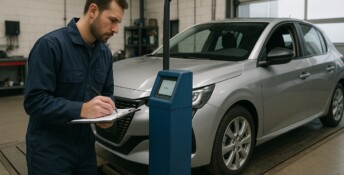
The MOT (Ministry of Transport) test is compulsory for most vehicles once they are more than three years old. During the annual inspection, technicians check:
An MOT pass confirms that your car meets the minimum legal standards for the next 12 months.
Consequences of driving a car without a valid MOT
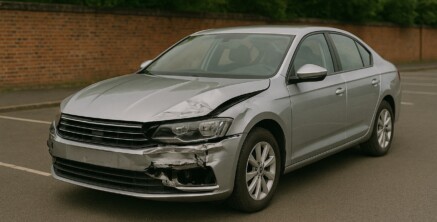
Using a vehicle without a valid MOT certificate unless driving directly to a pre-booked MOT test is illegal. Drivers risk a fine of up to £1,000, and if the vehicle is deemed dangerous, the penalty can be more severe. Additionally, most insurance policies become void without a current MOT, potentially leading to prosecution and out-of-pocket expenses in the event of an accident. Skipping this requirement compromises safety and increases the risk of mechanical failure.
Can you tax a car without an MOT certificate?
To pay vehicle tax in the UK, your car must usually have a valid MOT certificate. This requirement ensures that only roadworthy vehicles are driven on public roads. When taxing your vehicle online or at the post office, the system automatically checks the MOT status through the vehicle registration. If there’s no valid MOT, the system typically blocks the tax renewal.
There are a few exceptions. For example, mobility vehicles or those less than three years old do not need an MOT and can still be taxed. Similarly, if your car is off the road and declared as SORN, the MOT requirement doesn’t apply until you plan to use the car again.
Regulations regarding taxing a car without an MOT certificate
The only scenario where you can drive a car without an MOT and still tax it is when heading to a pre-booked MOT test. In such cases, the system may allow temporary exemptions, but proof of the appointment should be readily available if stopped. Outside this situation, attempting to pay road tax without a valid MOT usually fails, and driving the vehicle is a legal offence.
Can you tax a car without an MOT and insurance?
To legally drive in the UK, your car must not only have a valid MOT certificate but also a valid car insurance policy. When taxing your vehicle, especially online through the DVLA, the system cross-checks both your MOT and insurance status. Without either, you won’t be able to complete the vehicle tax process unless your car qualifies for an exemption, such as being classed as a heavy goods vehicle or mobility aid.
Penalties for driving a car without insurance and MOT
Driving without insurance and a valid MOT is considered a serious offence. It can result in fines, points on your licence, or even vehicle seizure. Insurance companies are unlikely to cover claims for vehicles in this state, leaving you exposed to large financial risks in the event of an accident. Ensuring all documentation is up to date is essential to protect yourself and other road users.
Can you tax a car without an MOT in Northern Ireland?
In Northern Ireland, the rules for taxing a car are similar to those in the rest of the UK. A valid MOT certificate is required for most vehicles, and the vehicle registration details must match up with MOT records before road tax can be issued. However, due to differences in MOT testing systems and appointment backlogs, temporary exemptions have occasionally been granted in special circumstances. These are issued directly by the Driver & Vehicle Agency (DVA), not the DVLA.
How to ensure compliance with MOT and tax requirements in NI
To remain compliant, always ensure your car has passed its MOT before renewing your tax. If your MOT has expired and you’re awaiting a test appointment, keep documentation of your booking. Avoid driving unless heading directly to the MOT centre. It’s also advisable to check with the post office or DVA for the most up-to-date guidance on vehicle tax and testing regulations in your area.
Can you drive a SORN car to an MOT test without tax?
A car registered as SORN (Statutory Off Road Notification) cannot be driven on public roads, as it is exempt from road tax and insurance while off the road. However, there is one legal exception: you are allowed to drive a SORN vehicle directly to a pre-booked MOT test. This means you don’t need to pay vehicle tax just to attend the test, but the journey must be direct, and you must have proof of the appointment if questioned.
Alternatives for legally transporting a SORN car
If the vehicle is not insured or roadworthy, you must not drive it, even to an MOT. In such cases, the safest and most legal option is to arrange transport via a trailer or recovery service. This ensures the vehicle stays off the public road while still making it to the testing centre. Breaking SORN rules can lead to penalties and invalidate your insurance policy, so it’s essential to follow the correct procedure.
Can you insure a car without tax and MOT with DVLA?
It is possible to take out an insurance policy on a car that doesn’t currently have road tax or a valid MOT certificate. This is often done when preparing a car for sale, restoration, or its return to the road. However, the DVLA does not require you to present proof of MOT or tax to obtain insurance, though most insurers will expect the vehicle to meet legal requirements before it’s driven.
Risks associated with driving an uninsured and untaxed vehicle
While you can insure a vehicle without tax or an MOT, you cannot legally drive it until all three requirements are valid: insurance, MOT and road tax. Attempting to drive without them puts you at risk of fines, prosecution and having your vehicle impounded. Even if the car is covered by an insurance policy, that cover may not be honoured if the vehicle is not in a roadworthy condition or lacks essential certification.

Conclusion
Maintaining a valid MOT certificate, vehicle tax, and insurance policy is essential for legally and safely operating a car in the UK. These requirements are in place to ensure vehicles are in a roadworthy condition and that drivers are protected in the event of an accident. Whether you’re dealing with a SORN vehicle, booking an MOT, or renewing your road tax, understanding the legal obligations can help you avoid costly penalties and keep you and other road users safe. Always check your documents and stay up to date with DVLA guidance.
Frequently Asked Questions (FAQ)
Can I renew tax if my MOT expires tomorrow?
Yes. DVLA allows renewal provided the MOT is valid on the day you tax. The new tax starts immediately; your MOT must still be renewed before it lapses.
What if the MOT centre fails my car? Does my tax become invalid?
No, but you must not drive the vehicle (except to repairs or a re‑test) until it passes.
Does a classic‑car exemption mean I can skip the MOT and still tax?
If your vehicle is over 40 years old and registered as ‘historic’, you may be MOT‑exempt and can tax it annually with a simple declaration of roadworthiness.







Comment