

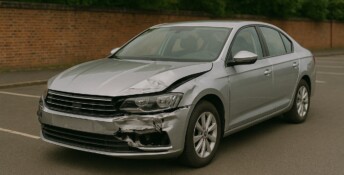
In the UK, Cat S cars are vehicles that have suffered structural damage but can be legally repaired and returned to the road. The “S” classification designates damage to components integral to the car’s structure, like the chassis and suspension. This structural damage may affect critical safety elements like crumple zones, suspension mounting points, or sills.
Cat S is one of four insurance write-off categories (category A, category B, and the category S and category N, which replaced the old category C and D) that indicates when a vehicle has been damaged sufficiently for an insurer to deem it “beyond economic repair”, basically meaning it would be cheaper to replace than fix. While a Cat S vehicle can be driven again after proper repairs, it must be professionally repaired and a duplicate log book reflecting the Cat S status should be applied for from the DVLA (Driver and Vehicle Licensing Agency). Common reasons for Cat S classification include severe accidents, significant collision damage, or any incident that compromises the vehicle’s structural integrity.
Cat S car damage
Cat S damage involves structural components such as collapsed crumple zones, a bent chassis, or suspension damage. Common structural issues include damage to the car’s frame, crushed parts requiring realignment, compromised roof structure from a rollover crash, B-pillar damage, and deformation to engine mounts or floor pans.
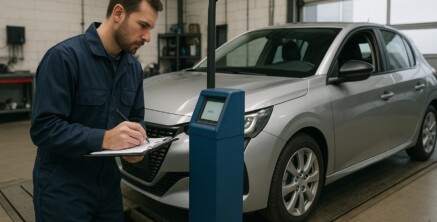
Identifying Cat S damage requires careful inspection. A qualified independent engineer can pinpoint the affected areas and evaluate repair quality. The AUTODOC technical team points out that professional inspection is essential to ensure structural repair work has been properly completed for safety.
The impact on value is significant. Cat S cars typically depreciate 20–50% compared to undamaged equivalents, depending on repair quality. This classification permanently affects resale value since potential buyers will be concerned about past damage and future reliability. Car insurance costs are also considerably higher because insurers struggle to determine accurate market values for structurally repaired vehicles.
UK car insurance write-off categories
| Category | Description | Damage type | Repairability | DVLA requirements | Insurance impact |
| Category A | Irreparable, unsafe for any form of salvage | Cars so badly damaged they should be crushed and never be used on the road again | Cannot be repaired; entire vehicle must be destroyed and no parts can be salvaged | Vehicle must be deregistered and reported | Cannot be insured |
| Category B | Structurally unrepairable but contains salvage parts | Major structural damage but some parts remain functional | Cannot be repaired for road use; components like engines can be reused | Must be reported to DVLA | Cannot be insured |
| Category S | Structural damage requiring professional repair | Bent or twisted chassis, collapsed crumple zones | Can be repaired and made roadworthy again | Must be reported to DVLA; log book must be sent to insurance and duplicate requested | Higher premiums; some insurance providers may refuse coverage |
| Category N | Classification for vehicles without structural damage | Cosmetic damage or electrical issues | Can be repaired and made roadworthy | DVLA must be informed but log book can be kept | May be higher than average; some insurers reluctant |
Cat S car insurance
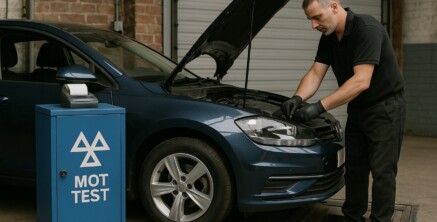
Insuring a Cat S car presents unique challenges due to its history of structural damage. Insurance companies view these vehicles as higher-risk investments, which significantly impacts coverage options and costs. Many insurance companies charge substantially higher premiums for Cat S cars due to uncertainty about their repair history and potential future issues, while some providers refuse to cover them altogether. Some insurers may require a new MOT before providing coverage.
When seeking car insurance for a Cat S vehicle, always declare its write-off status from the beginning to avoid policy invalidation and potential claims rejection.
Tips for insuring a Cat S car:
Buying a Cat S car
Things to consider:
Steps before purchasing:
Potential risks:
Potential benefits:
Selling a Cat S car
Factors to consider when selling:
Determining value:
Tips for effective selling:
Repairing a Cat S car
Repair options:
Costs involved:
Importance of reputable repairs:
Cat S Cars for sale
Cat S cars are available through several channels in the UK, including specialised online marketplaces like ASM Autos and Copart, as well as mainstream sites like Auto Trader and eBay where you can filter specifically for Cat S vehicles. Public salvage auctions and independent dealers specialising in salvage vehicles and repaired write-offs are also good sources.
When buying from private sellers, be wary of missing repair documentation, reluctance to permit independent inspections, and undisclosed Cat S status; always run a vehicle history check. Watch for signs of poor repairs such as mismatched paint or uneven panel gaps.
Purchasing from dealers offers several advantages: they typically provide warranties on repairs, supply comprehensive documentation, ensure the V5C logbook has been correctly updated, offer recourse if problems arise later, and may provide financing options despite the Cat S designation.

Conclusion: Cat S Cars in the UK
Cat S cars represent a viable option for budget-conscious buyers willing to accept some compromises. While the structural damage history and associated stigma will permanently affect the vehicle’s value and car insurance costs, properly repaired Cat S cars can provide years of reliable service at a significantly reduced price point. Success with these vehicles depends entirely on thorough research, professional inspections, and complete documentation. For those comfortable with the inherent risks and limitations, a Cat S car can be a pragmatic choice in today’s expensive automotive market, particularly for medium-term ownership.
Frequently Asked Questions (FAQ)
Will my insurance be void if I don’t declare the Cat S status?
Yes. Failing to disclose a car’s Cat S status to your insurer constitutes non-disclosure of material information and will likely invalidate your policy, leaving you uninsured and potentially facing fraud allegations.
Can a Cat S car ever become a “normal” car again?
No. Once a vehicle receives a Cat S designation, this remains on its record permanently. Even with perfect repairs, the car will always carry this classification on the V5C registration document and in insurance databases.
Is it safe to drive a Cat S car?
A properly repaired Cat S car that has been professionally inspected and with an updated log book should be safe to drive. However, the quality of repairs is crucial, which is why independent inspection before purchase is essential.
How much cheaper are Cat S cars compared to non-damaged equivalents?
Typically, Cat S cars sell for 20–50% below the market value of equivalent non-damaged models, with the discount depending on factors like the vehicle’s age, the severity of the original vehicle damage, and the quality of repairs.




Comment