


- 1 Understanding automatic transmission
- 2 Common causes of stalling in automatic cars
- 3 How to prevent your automatic car from stalling
- 4 What to do if your automatic car stalls?
- 5 Differences between automatic and manual cars regarding stalling
- 6 Frequently asked questions about automatic car stalling
Automatic cars are built to keep the engine running smoothly thanks to the torque converter, so stalling is very rare. That said, it can still happen if there’s a mechanical issue, engine trouble, or an extreme driving situation. For everyday driving, though, you can relax, since automatic cars are far more forgiving and beginner-friendly than those with a manual transmission, and you’ll have a much more enjoyable driving experience.
Understanding automatic transmission

At the heart of every automatic car lies a clever system that manages gear changes without any input from you. Unlike manuals, which rely on a clutch pedal, automatics use a torque converter to transfer power smoothly from the engine to the wheels. This means you can accelerate, slow down, or stop without worrying about stalling. It feels effortless because the car constantly adjusts to driving conditions.
Common causes of stalling in automatic cars
Even though automatic gearboxes are built to be reliable, there are still a few situations where things can go wrong. If your car stalls unexpectedly, it usually comes down to one of these common causes:
- Transmission problems: Faults in the torque converter or low transmission fluid can stop power from getting to the wheels.
- Engine issues: Blocked fuel injectors, bad sensors, or air intake faults can cause sudden cut-outs.
- Electrical faults: Weak batteries, alternator failures, or wiring issues disrupt communication between the engine and gearbox.
- Power steering strain: A seized pump or slipping belt can overload the engine and cause your automatic car to stall.
How to prevent your automatic car from stalling
Automatic gearboxes are made for smooth, stress-free driving, but stalls can still happen if the car is not properly maintained. A few simple checks and habits will greatly decrease the risk of stalling and keep your journeys free of worry.
- Regular servicing for automatic gearboxes: Fresh oil, clean oil and air filters, and timely fluid checks keep the system smooth.
- Monitor transmission fluid: Low or dirty fluid puts extra strain on the torque converter and gearbox.
- Engine care matters: Clean fuel injectors, healthy spark plugs, and good air flow prevent stalling.
- Check car electrics: A reliable battery and alternator ensure engine and gearbox communication.
- Maintain power steering: Repair worn belts or faulty pumps before they overload the engine.
What to do if your automatic car stalls?
Even though automatic gearboxes are designed to prevent stalling, it can still happen on rare occasions. If it does, keeping calm and taking the right steps will help you deal with the situation safely:
- Stay calm and use warning lights: Signal to other drivers and keep control of the steering.
- Shift the automatic gearbox to neutral or park: This keeps the car from rolling and allows you to restart.
- Restart the engine safely: Turn the key or press the start button to get moving again.
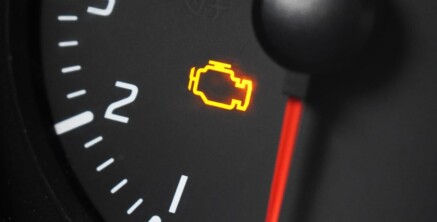
- Check dashboard warning lights: Look for alerts linked to the gearbox, engine, or power steering.
- Seek professional car servicing: If stalling continues, have a mechanic inspect the transmission fluid, electrics, and engine.
Differences between automatic and manual cars regarding stalling
AUTODOC mechanics point out that stalling feels very different depending on whether you are driving a manual or an automatic. It’s useful to know the differences, as it helps you understand why automatic gearboxes are often considered easier to handle.
- Manual cars and the clutch pedal: In a manual, stalls are almost always down to driver error, such as releasing the clutch pedal too quickly or choosing the wrong gear.
- Automatic gearboxes and torque converters: Automatics remove the clutch pedal entirely and use a torque converter, making stalls much less common.
- Why automatics stall: If they do stall, it is usually due to transmission faults, electrical problems, or engine issues rather than poor driving technique.
- Ease of driving: Without a clutch pedal to manage, automatic gearboxes offer smoother, more relaxed driving, particularly in traffic.
In short, stalling a manual car is a skill-related issue, while stalling an automatic is more often a sign of something mechanical.
Frequently asked questions about automatic car stalling
Can you stall an automatic car in manual mode?
No, you cannot stall an automatic car in manual mode. Even without a clutch pedal, the gearbox and torque converter manage power to keep the engine running. If you accidentally use the wrong gear, it might put strain on the engine or lower performance, but it won’t cause a stall like in a manual transmission.
Can you stall an automatic on a hill?
Normally, no. Automatic gearboxes are built to handle hills with ease, keeping the engine running smoothly without a clutch pedal to worry about. If your car does stall on a slope, it usually indicates an issue such as low transmission fluid, engine problems, or a power steering issue, rather than your driving.
Can you stall an automatic with paddle shifters?
You can’t stall an automatic car when using paddle shifters. Even if you pick the wrong gear, the gearbox and torque converter step in to keep the engine running. In most cases, the system will override your input to protect the car, so you get the fun of manual-style gear changes without the risk of stalling.
Can you stall an automatic bus?
Just like cars, automatic buses are very unlikely to stall. They don’t use a clutch pedal, and the gearbox with its torque converter keeps the engine running smoothly, even in stop-start traffic. If an automatic bus does stall, it usually points to mechanical issues such as engine faults, automatic transmission problems, or electrical failures, not driver error.






Comment