

All modern cars have interconnected systems like the engine, transmission, and electronics that work together for optimal performance. Sensors monitor these systems, and if a serious issue is detected, the car may enter “limp mode” to protect the engine or transmission. So, what exactly does limp mode do, and what causes it? Find out below.
What is limp mode in a car?
Limp mode is a safety feature in modern cars that limits the vehicle’s performance when a critical issue is detected as a means of self-preservation. When the car’s computer triggers the limp mode, it usually reduces engine power, limits the vehicle’s speed, and disables certain features like overdrive or cruise control.
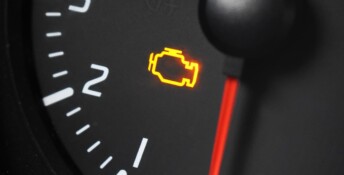
This allows the driver to safely pull over in a secure area and get the car to a garage for diagnosis and repair. Limp mode is often triggered by issues like sensor malfunctions, low fluid levels, or engine overheating. While there is no specific limp mode symbol to look for, the Check Engine light should illuminate on the dashboard when it’s triggered.
Why does a car go into limp mode, and what sensors can cause it?
A car goes into limp mode when the engine control unit (ECU) detects a serious problem with critical systems, usually to prevent further damage to the engine or transmission. The car may enter limp mode when accelerating, for example, to avoid straining the engine or transmission.
Common causes include:
- Low oil pressure
- Overheating
- A malfunctioning transmission
- A clogged air intake
- Important clutch parts that need to be replaced, such as a worn-out clutch sensor or damaged components
- Worn spark plugs or glow plugs
- Faulty sensors, such as a bad oxygen sensor, coolant temperature sensor, throttle position sensor, or crankshaft position sensor. The false readings may trigger the check engine light and send the car into limp mode.
Regular diagnostics and maintenance are crucial to identifying and addressing these underlying issues.

How to bypass car limp mode
There are a few ways you can attempt to bypass limp mode, such as by restarting the car engine or disconnecting the car battery for 10-15 minutes to reset the electrical system. However, just because you can doesn’t mean you should. This mode is a protective feature and is there for a reason. Bypassing it could cause serious problems, such as engine or transmission failure.
Instead you can try to look for obvious signs of faults that may help you diagnose the car, such as leaking fluids, loose wiring, or erratic RPM. Scanning the ECU in the car using an OBDII diagnostic scanner will allow you to check the error codes to help identify the cause.
Can you drive a car in limp mode?
Yes, you can drive a car in limp mode, but with significant limitations. The speed and power are significantly reduced, making it almost impossible to drive at higher speeds or accelerate quickly. It is designed to let you safely get the car to a mechanic without causing further damage to the engine or transmission, but it is not something you should do for long periods.
It’s important to address the underlying issue as soon as possible, as ignoring it can lead to more critical damage or higher repair costs. After the car is fixed, the driving mode should reset. Make sure to avoid issues like this in the future through regular maintenance, such as replacing filters, fuses, and the car engine oil on time every time.
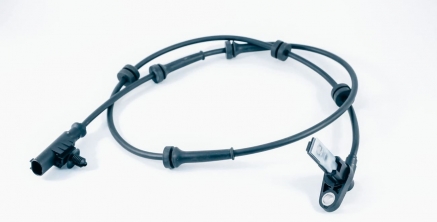
Top products related to this topic:







Comment