


- 1 What is MOT Meaning UK and Why is it Important?
- 2 Common MOT Failures: What Fails an MOT Most Often
- 3 MOT Defect Categories: Understanding Severity Levels
- 4 Pre MOT Checklist: Essential Checks Before Your Test
- 5 What Can Fail an MOT: Detailed Breakdown by Category
- 6 MOT Failure Recovery: What to Do After a Failed MOT
- 7 How to Pass MOT: Professional Tips for Success
- 8 MOT Advisory Management: Planning Future Maintenance
- 9 Conclusion: Staying MOT Compliant
The MOT checklist is essential for every UK driver to ensure their vehicle meets legal safety standards. Understanding what the MOT test involves and preparing accordingly can save you from costly MOT failure and ensure your car remains roadworthy. This comprehensive guide covers everything you need to know about MOT requirements, common failure points, and how to prepare your vehicle.
What is MOT Meaning UK and Why is it Important?
The MOT meaning UK refers to the Ministry of Transport test, a mandatory annual safety inspection for vehicles over three years old. This test ensures your car meets minimum safety and environmental standards required by law. Every vehicle must pass its MOT to remain legally roadworthy, making understanding the requirements crucial for all drivers.
The MOT test covers six main categories: lights, steering and suspension, brakes, tyres and wheels, body structure, and exhaust emissions. Failing any of these areas can result in MOT failure, preventing you from driving legally until repairs are completed.

Common MOT Failures: What Fails an MOT Most Often
Here are the most frequent common MOT fails:
Lighting Issues (29% of failures)
- Faulty headlights, taillights, or indicators
- Incorrect beam alignment
- Damaged or missing bulbs
Braking Problems (10% of failures)
- Worn brake pads or discs
- Faulty handbrake operation
- Brake fluid leaks
Tyre Defects (7.5% of failures)
- Insufficient tread depth (below 1.6mm)
- Damaged sidewalls or irregular wear
- Incorrect tyre pressures
Emissions Failures (6% of failures)
- Excessive exhaust emissions
- Faulty catalytic converter
- Engine management system issues
Understanding what fails an MOT helps you prepare better and avoid unnecessary costs.
MOT Defect Categories: Understanding Severity Levels
The MOT system categorises defects into different severity levels:
| Defect Type | Description | Can You Drive? |
| Minor | Small issues that don’t affect safety | Yes, but fix soon |
| Major | Significant problems affecting safety | No – immediate repair required |
| Dangerous | Serious safety risks | No – driving prohibited |
MOT Advisory items are noted concerns that don’t cause failure but may become problems in future tests, help you plan maintenance and prevent future failures.
Dangerous MOT Faults: When Driving is Prohibited
Dangerous MOT faults pose immediate safety risks. Common examples include:
- Severely worn car brake components
- Damaged suspension arms
- Corroded brake lines
- Faulty steering mechanisms
If your car receives dangerous defects, you cannot legally drive it until repairs are completed and verified.
Pre MOT Checklist: Essential Checks Before Your Test
Use this MOT test checklist to prepare:
Exterior Checks
- Test all lights including car headlights, taillights, indicators, and hazard lights
- Check number plates are clean, secure, and correctly formatted
- Inspect tyres for adequate tread depth and damage
- Examine bodywork for sharp edges or significant corrosion
Interior Checks
- Test seatbelts for proper operation and damage
- Check car windscreen for chips or cracks in driver’s vision area
- Ensure handbrake operates correctly
- Verify horn functions properly
Under Bonnet
- Check car oils and fluids levels including brake fluid, oil, and coolant
- Inspect visible components for leaks or damage
- Ensure battery is secure and terminals clean
A thorough pre-MOT inspection can prevent many failures.
MOT Check List: Regional Considerations
While MOT standards are consistent across the UK, some regional factors may affect testing:
- Different testing centres may have varying appointment availability
- Urban areas often have more testing options
- Rural locations might require longer travel to approved garages

What Can Fail an MOT: Detailed Breakdown by Category
Understanding what can fail an MOT in each category helps target your preparation:
Brakes and Steering
- Brake pad thickness below minimum standards
- Steering wheel play exceeding limits
- Power steering fluid leaks
- Worn suspension components
Lights and Electrical
- Headlight alignment outside specified parameters
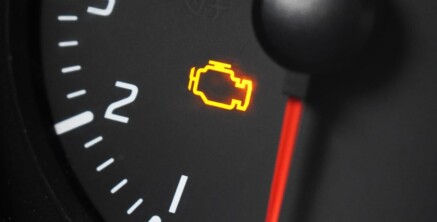
- Dashboard warning lights illuminated
- Faulty indicators or hazard lights
- Inadequate lighting intensity
Body and Structure
- Excessive corrosion affecting structural integrity
- Sharp edges that could cause injury
- Insecure body panels
- Damaged mirrors affecting visibility
MOT Failure Recovery: What to Do After a Failed MOT
If your car experiences MOT failure, follow these steps:
- Review the failure certificate – Understanding specific defects helps prioritise repairs
- Get quotes for repairs – Compare costs from different garages
- Consider the 10-day rule – You have 10 working days to repair and retest minor faults
- Book your retest – Some defects qualify for free partial retests
Remember, a failed MOT doesn’t immediately invalidate your existing certificate if it hasn’t expired, but you cannot renew your road tax without a valid MOT.
MOT Major Defect: Can I Drive?
If you receive an MOT major defect, you cannot legally drive your vehicle except:
- Directly to have defects repaired
- To a pre-booked retest appointment
- To return home by the most direct route
Driving with major defects risks prosecution and invalidates your insurance.
How to Pass MOT: Professional Tips for Success
Follow these expert recommendations for how to pass MOT:
Regular Maintenance
- Service your vehicle according to manufacturer schedules
- Address warning lights promptly
- Replace worn components before they become MOT failures
Pre-Test Preparation
- Clean your car thoroughly, especially lights and number plates
- Check and adjust tyre pressures
- Top up all fluid levels
- Remove personal items that might obstruct testing
Choose Your Testing Centre Wisely
- Select reputable garages with good pass rates
- Book tests well in advance during busy periods
- Consider having repairs done at the same facility for convenience
MOT Advisory Management: Planning Future Maintenance
MOT minor defects and advisories provide valuable maintenance guidance. Common advisory items include:
- Tyre wear approaching limits
- Minor oil leaks
- Slight brake disc scoring
- Early signs of component wear
Use advisories to budget for future repairs and prevent next year’s failures.
Conclusion: Staying MOT Compliant
A comprehensive MOT checklist approach ensures your vehicle remains safe and legal. Regular maintenance, thorough pre-test preparation, and understanding MOT requirements significantly improve your chances of passing. Remember that MOT compliance isn’t just about passing the test – it’s about maintaining a safe vehicle for you and other road users.
By following this guide and conducting regular MOT checks, you’ll minimise the risk of failure and keep your vehicle in optimal condition throughout the year.

 @user_368143013.06.2025 08:31Member
The above article provides essential information to help UK drivers prepare for their MOT test, ensure their car is legal and safe — and reduce the risk of failing the test. The careful approach, analyzing each test item and dealing with potential errors is very similar to the strategy in geometry arrow , where you need to read situations quickly, act accurately and not let a small mistake end the game.






Comments – 1