

- 1 What are run-flat tyres?
- 2 Run flat tyres: how do they work?
- 3 Run flat tyres: types
- 4 Advantages and disadvantages of run flat tyres
- 5 Run flat tyre markings
- 6 How much is a run flat tyre?
- 7 How long do run flat tyres last?
- 8 Can you repair a run flat tyre?
- 9 Can you pump up a run flat tyre?
- 10 Switching from run flat tyres to conventional tyres
Run-flat tyres have transformed vehicle safety and convenience, allowing drivers to continue their journey even after a puncture. Designed with reinforced sidewalls or internal support structures, these tyres minimise the risk of sudden blowouts and eliminate the need for immediate roadside tyre changes.
Understanding the types available, as well as their markings, benefits, and drawbacks helps drivers make informed decisions about whether they are the right choice for their vehicle.
What are run-flat tyres?
Definition: run-flats are tyres that allow you to continue driving after a puncture and maintain control of the vehicle at a speed of up to 50 mph and distances of up to 30–55 miles. This eliminates the immediate need for a roadside tyre change, enhancing safety and convenience, particularly in hazardous or remote locations.
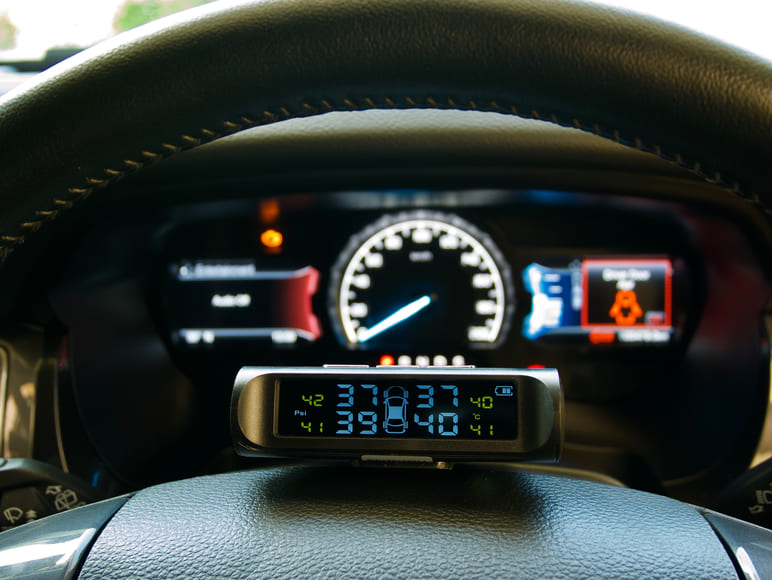
However, they must be used in conjunction with a tyre pressure monitoring system (TPMS) to alert the driver when a puncture occurs.
Run flat tyres: how do they work?
Run flat tyres work by preventing complete tyre failure after a puncture, allowing the driver to continue driving safely. They achieve this through the use of reinforced sidewalls or internal support ring systems. Reinforced sidewalls are stiffer and can support the vehicle’s weight even when there is little to no air pressure.
Support ring systems consist of a hard rubber or plastic ring inside the tyre to maintain its shape. Both designs prevent the tyre from collapsing, enabling limited driving at reduced speeds for a short distance. However, the TPMS remains essential to alert drivers of pressure losses.
Run flat tyres: types
As mentioned above there are two types of self-supporting run flat tyres: those with reinforced rubber walls and those with integrated support rings. However, there are also self-sealing tyres, which are able to seal small-medium punctures. Here is a description of the different types:
- Tyres with reinforced sidewalls
Stiff and durable sidewalls support the vehicle’s weight, preventing the tyre cord from touching the rim. They’re made of a special heat-resistant compound.
The distance the punctured tyre can cover ranges from 30 to 55 miles (50 to 90 km). The maximum speed ranges from 30 to 50 miles (50 to 80 km/h). - Tyres with a support ring
A special ring ensures rigid support along the entire circumference of the tyre.
These tyres can withstand heavy loads.
The maximum distance the punctured tyres can cover is up to 200 miles (320 km), however, you should still be mindful of your speed. - Self-sealing tyres
There is an additional sealing layer made of viscous polymeric compound beneath the tread. In the event of a puncture, it flows out and hardens, blocking small holes and maintaining tyre pressure.
Advantages and disadvantages of run flat tyres
The most obvious benefit of run flat tyres is that they prevent you from getting stranded or in a serious predicament in the event of a puncture or loss of pressure. They are also much more convenient than using a spare tyre, which occupies unnecessary space and adds to the car’s weight. However, there are some downsides if you’re on a tight budget or have specific performance requirements.
Advantages:
- You won’t lose control of the vehicle in case of a puncture.
- You don’t have to replace the wheel immediately and on your own.
- You don’t have to keep a spare wheel in your car.
- Run-flat tyres withstand mechanical damage better.
- You can save on breakdown services.
Disadvantages
- High price
- Increased tyre weight
- A harsher ride
- Tyres wear out faster
- Not all garages will work with them
- They can’t be repaired
Run flat tyre markings
| Abbreviation | Meaning | Manufacturer |
| DSST | Dunlop Self Support System | Dunlop |
| RFT | RunFlat Tyres, RunFlat Technology | Pirelli, BridgeStone, Firestone, Nokian |
| RF | RunFlat | Yokohama, Nokian |
| ZPS | Zero Pressure System | Yokohama |
| SSR | Self Supporting RunFlat | Continental |
| CSR | Conti Support Ring | Continental |
| ZP | Zero Pressure | Michelin |
| ROF | RunOnFlat | Goodyear |
| EMT | Extended Mobility Tire | Goodyear |
| SSS | Self-Supporting Structure | BF Goodrich |
| XRP | eXtended Runflat Performance | Kumho |
| TRF | Toyo Run Flat | Toyo |
How much is a run flat tyre?
In the UK, the price of run flat tyres can range anywhere from £65 to £350, depending on the size, tyre brand, vehicle model, and other characteristics. Premium brands like Michelin and Bridgestone typically have higher prices. The prices of these high-quality products generally start at around £85 per tyre. You can easily compare the costs online to find the best deal for your specific requirements.
How long do run flat tyres last?
How far can you drive on a run flat tyre?
When punctured, most reinforced run-flats will last up to 50 miles when driving at a maximum speed of 50 mph (80 kmh). Support ring tyres, on the other hand, are expected to last at least 100 miles. However, the actual lifespan will depend on the following:
- The weight of the vehicle
- Road conditions
- The severity of the puncture
- Manufacturer specifications
If undamaged, run flat tyres will usually last as long as the average ones with a life expectancy of between 25,000 and 50,000 miles. The tread depth must meet the minimum requirements (1.6 mm in the UK).
Can you repair a run flat tyre?
In the majority of cases, you should not attempt to repair a puncture run flat tyre. Most automotive technicians will reject the job even if it is just a small puncture. This is often due to the fact that further damage can get masked by the reinforced wall, making it harder to spot. In this case, even if the puncture is sealed, the internal structure may be damaged, not only wasting your time and money but also posing a serious safety risk.
Can you pump up a run flat tyre?
Like normal tyres, run flat models need to be inflated and topped up every so often to maintain the optimal air pressure. When pumping them with air, make sure not to exceed or go below the tyre pressures recommended by the car manufacturer. The main difference is that when punctures occur, the loss of air normally won’t be as visible.
Switching from run flat tyres to conventional tyres
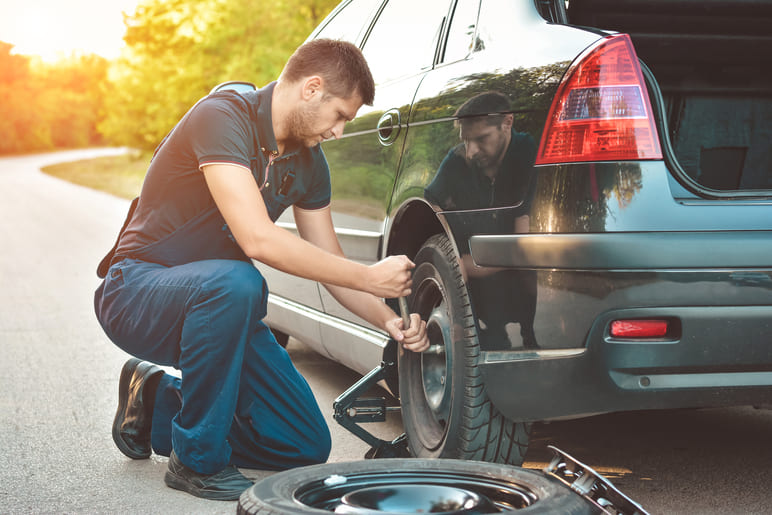
Switching from run flat tyres to conventional tyres is always possible but requires careful consideration. With conventional models, you will always need to carry a spare wheel and repair kit in the car boot, and the tyres won’t allow you to continue driving in the event of damage. However, it is understandable that some people want to make the switch, particularly due to the high price tag of RF tyres.
Before making the change, check if your vehicle’s suspension and handling are optimised for run-flats, as some cars may require adjustments. If unsure, consult your vehicle’s manual or a tyre specialist to determine the best option for your driving needs.





Comment