
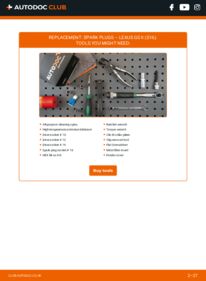
Disclaimer

How to change spark plugs on LEXUS GS II (S16) – replacement guide
downloads:
8
Views:
166


Recommended replacement interval for the part category Spark plug : 18 month / 30000 km
Important!
This replacement procedure can be used for:
LEXUS GS (UZS161, JZS160) 300 (JZS160_), LEXUS GS (UZS161, JZS160) 300 (JZS160_), LEXUS GS (UZS161, JZS160) 430 (UZS161_), LEXUS GS (UZS161, JZS160) 400 (UZS160_), LEXUS GS (UZS161, JZS160) 300 (JZS160_) … View more
The steps may slightly vary depending on the car design.
LEXUS GS (UZS161, JZS160) 300 (JZS160_), LEXUS GS (UZS161, JZS160) 300 (JZS160_), LEXUS GS (UZS161, JZS160) 430 (UZS161_), LEXUS GS (UZS161, JZS160) 400 (UZS160_), LEXUS GS (UZS161, JZS160) 300 (JZS160_) … View more
The steps may slightly vary depending on the car design.
This video shows the replacement procedure of a similar car part on another vehicle
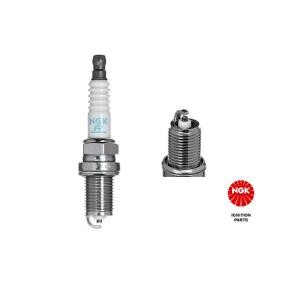
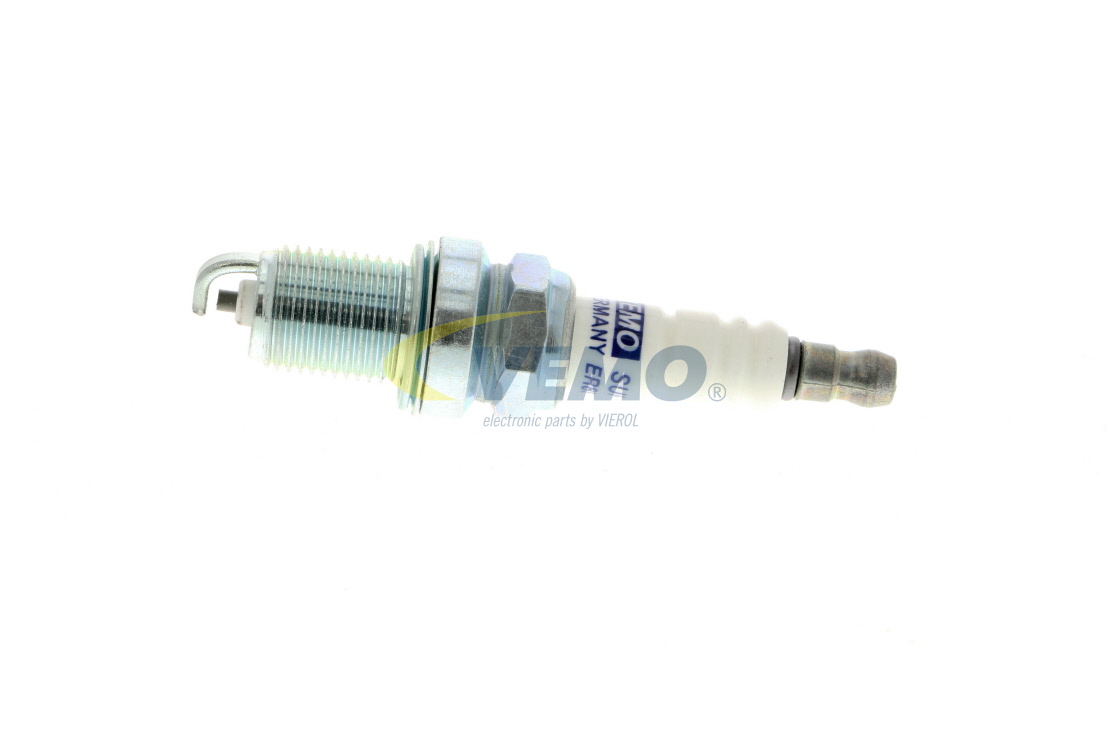
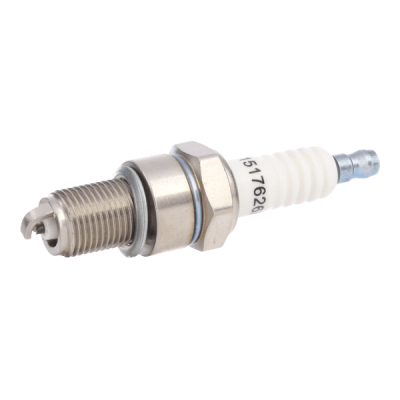
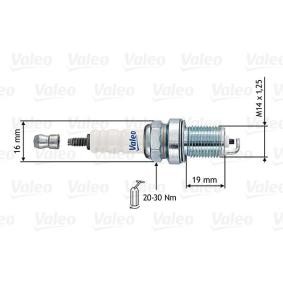
All the parts you need to replace – Spark Plug for GS (UZS161, JZS160) and other LEXUS models
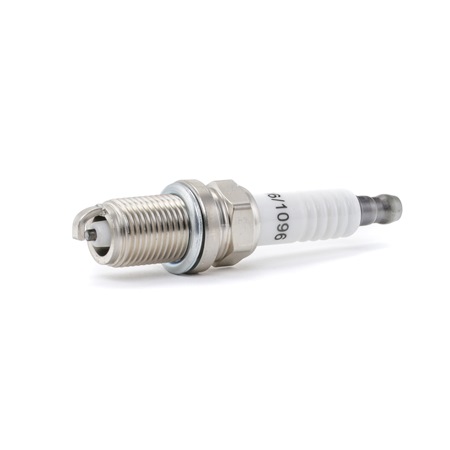
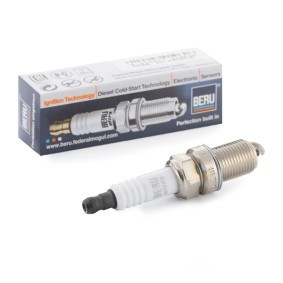
Alternative products
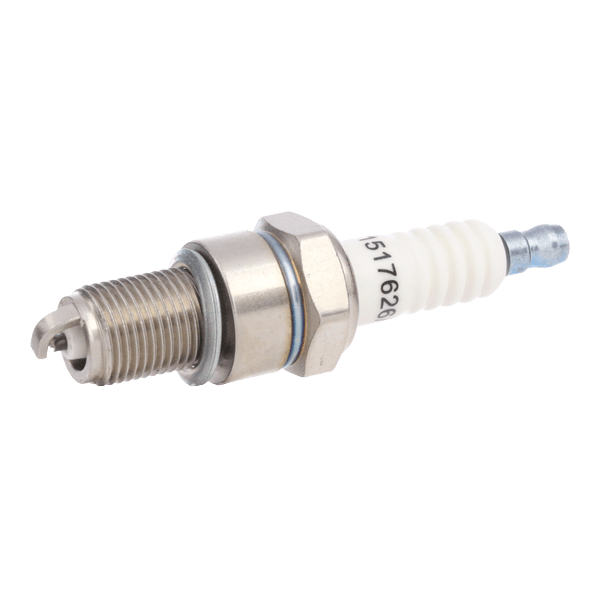 Spark plug
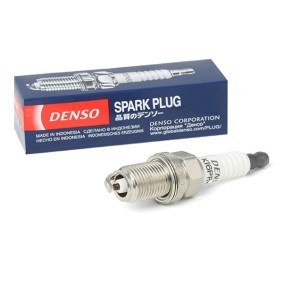
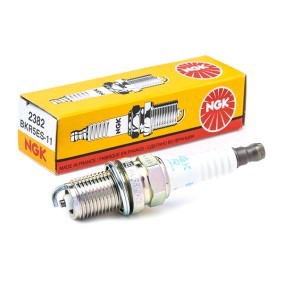
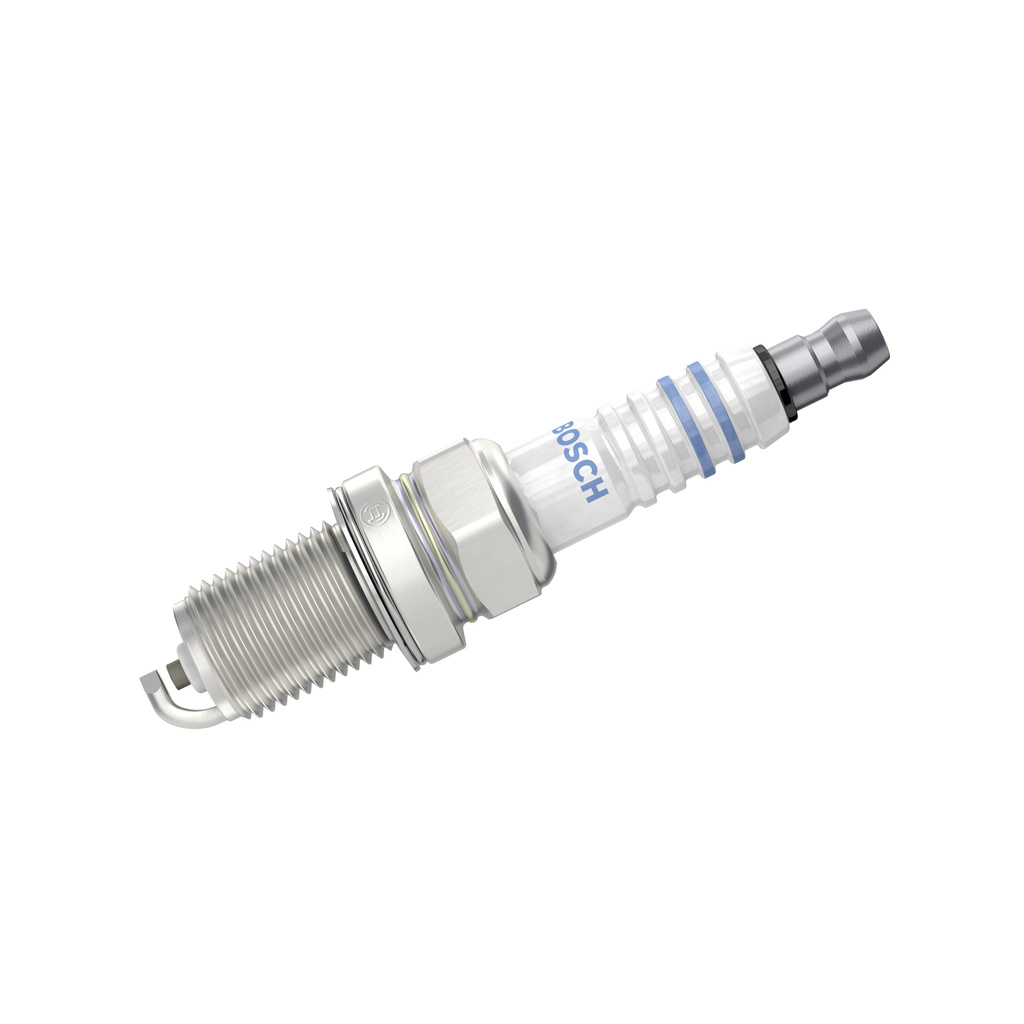
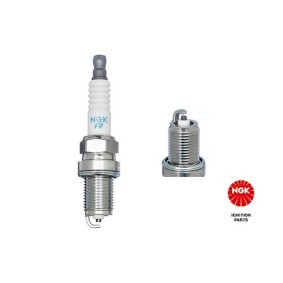

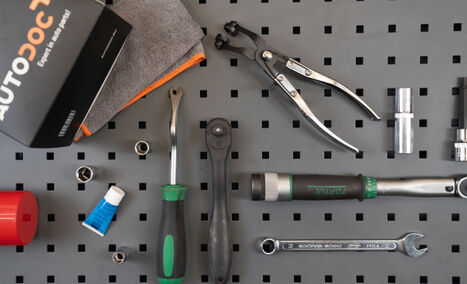
All-purpose cleaning spray
High-temperature anti-seize lubricant
Drive socket # 10
Drive socket # 12
Drive socket # 14
Spark plug socket # 16
HEX bit no.H8.
Ratchet wrench
Torque wrench
Clic-R collar pliers
Clip removal tool
Flat Screwdriver
Microfibre towel
Fender cover

Replacement: spark plugs – LEXUS GS (UZS161, JZS160). AUTODOC experts recommend:
- The replacement procedure is the same for all spark plugs.
- Please note: all work on the car – LEXUS GS (UZS161, JZS160) – should be done with the engine switched off.
Carry out replacement in the following order:
- Step 1Open the bonnet.Step 2Use a fender protection cover to prevent damaging paintwork and plastic parts of the car.Step 3
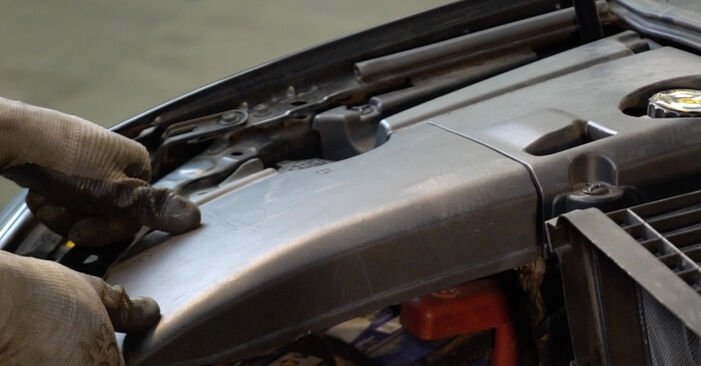
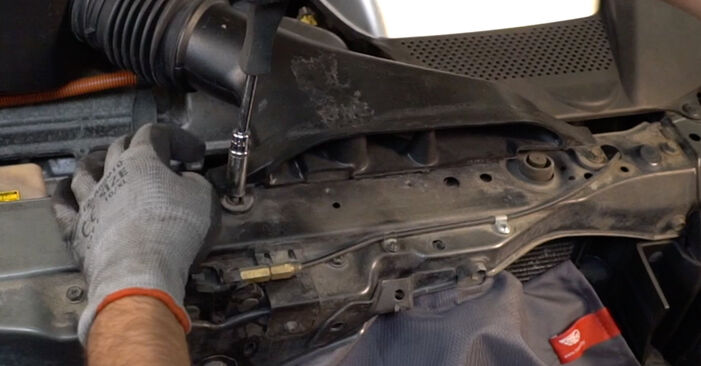
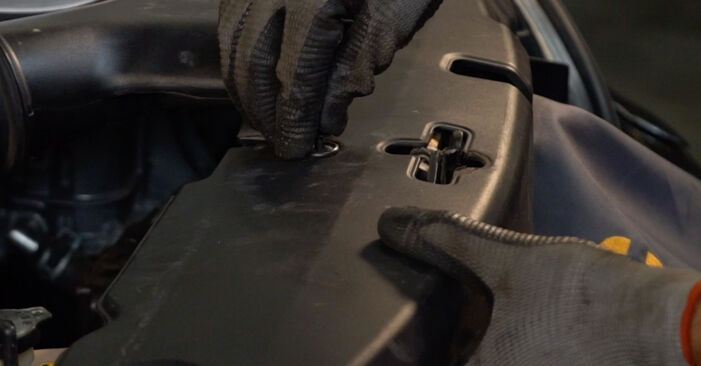
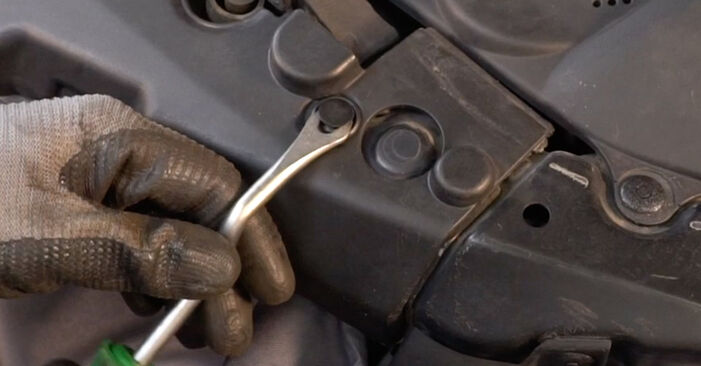 Remove the radiator support cover clips. Use a clip removal tool.
 - Step 4
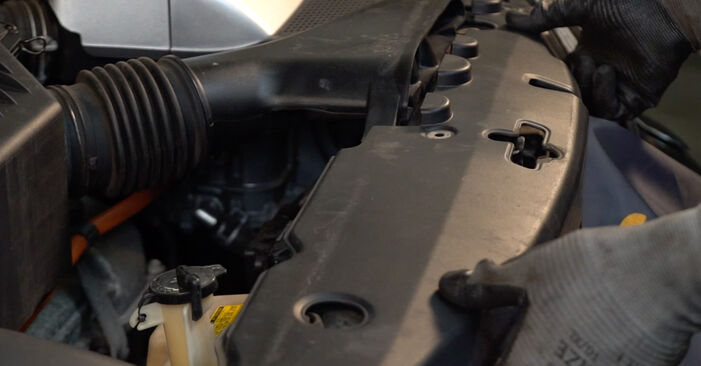
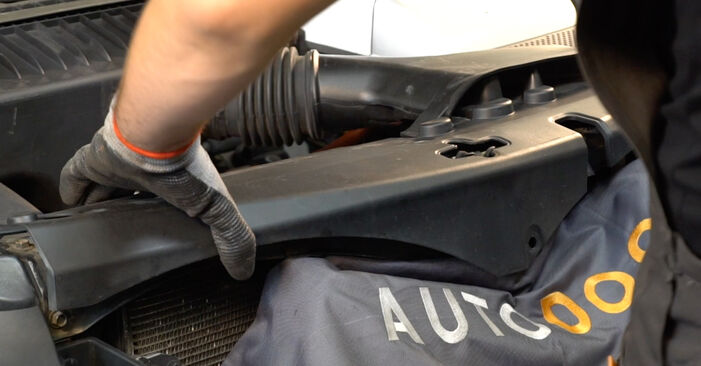 Remove the radiator support cover.
 - Step 5
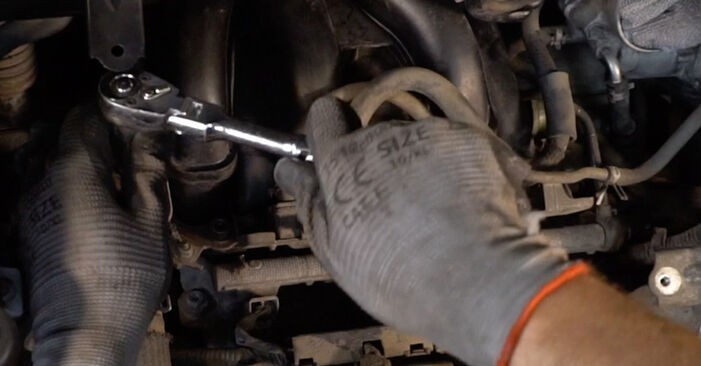
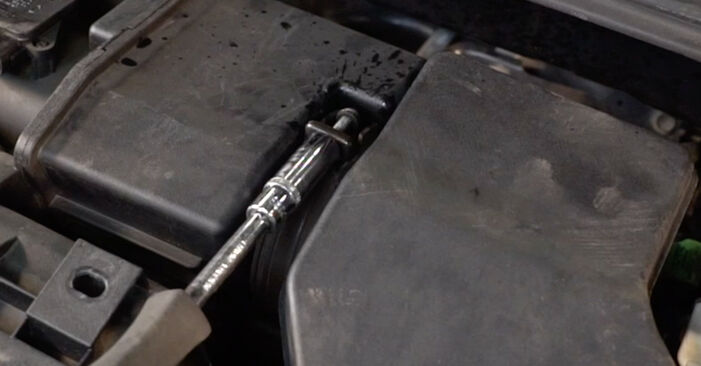
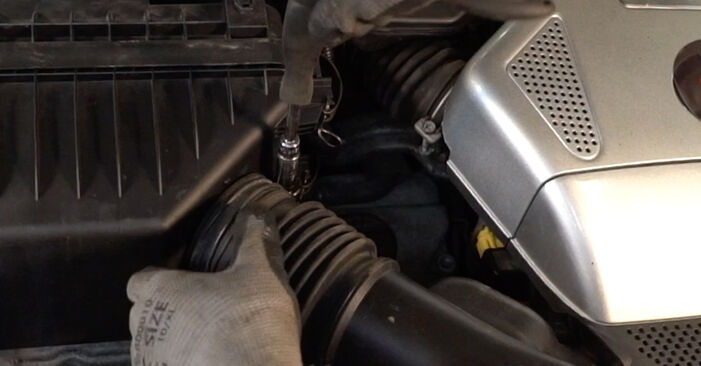
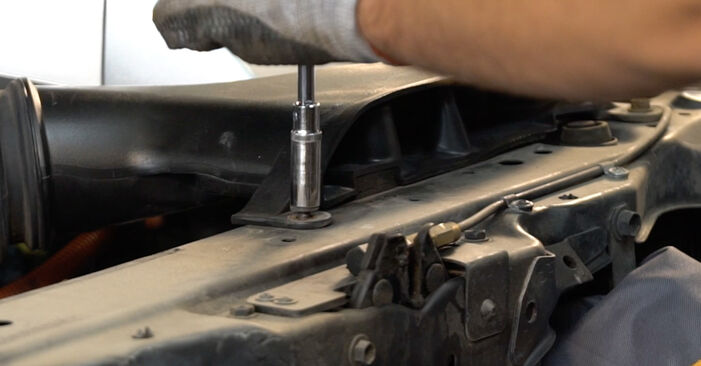 Loosen the air intake fastening. Use a drive socket #10. Use a ratchet wrench.
 - Step 6
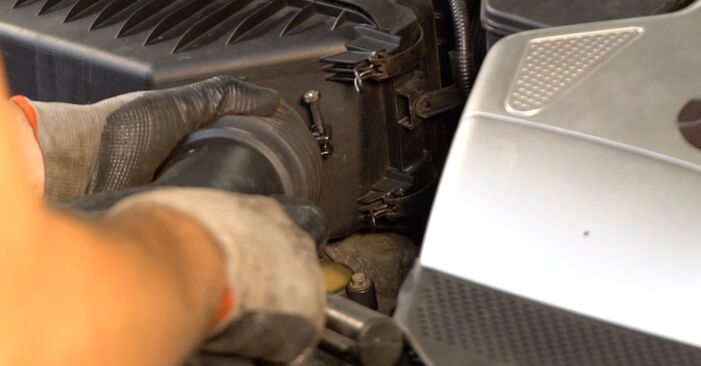
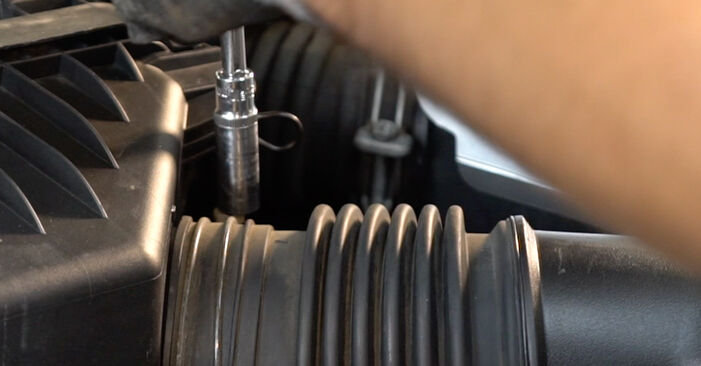 Loosen the fastening clamp connecting the air duct to the air filter housing. Use a drive socket #10. Use a ratchet wrench.
 - Step 7
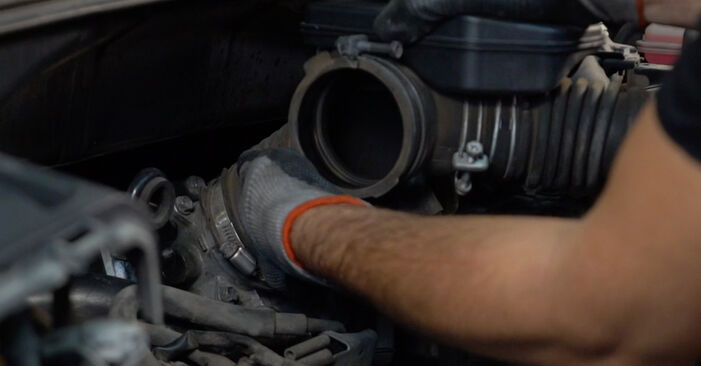
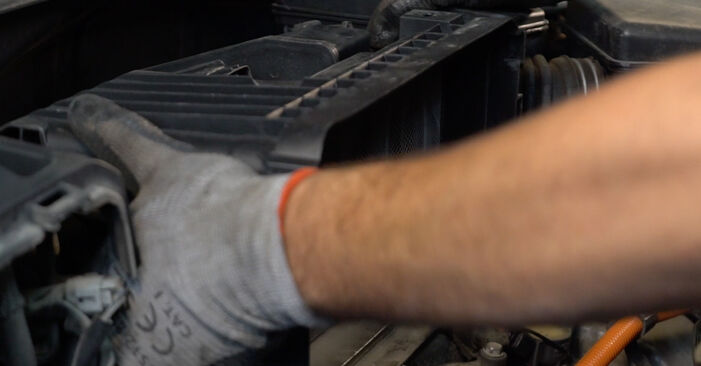
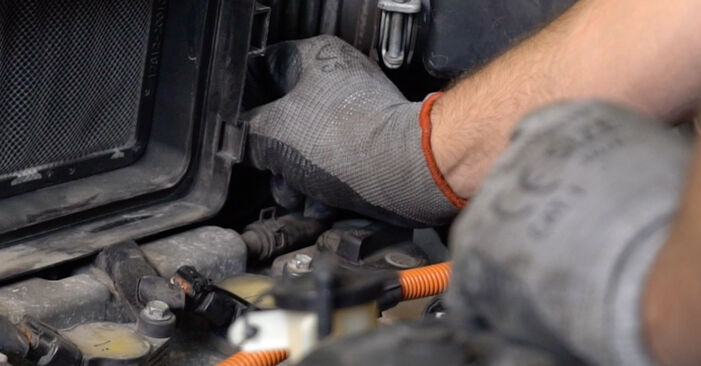
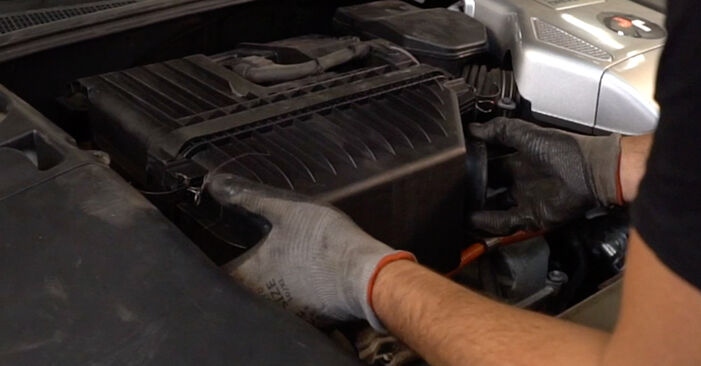
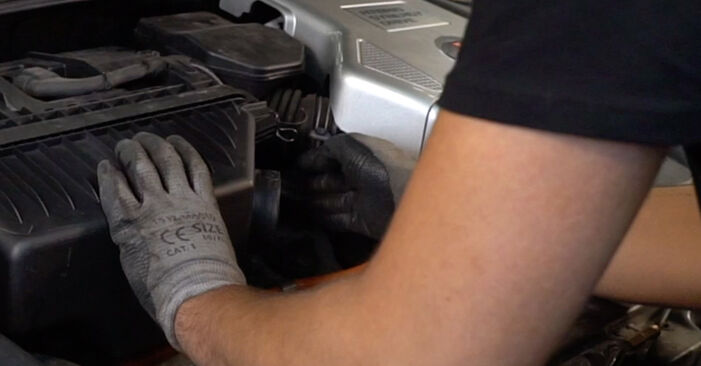
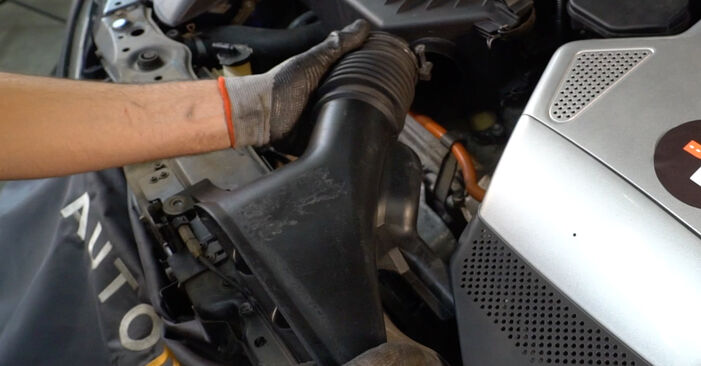 Detach the air duct housing from the air filter housing.
 - Step 8
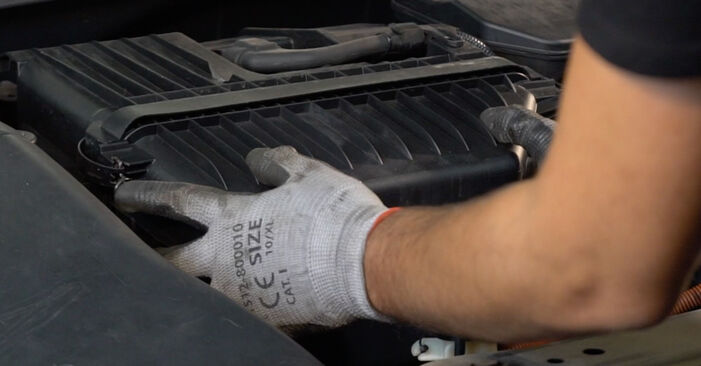 Release the air filter cover clips.
 - Step 9
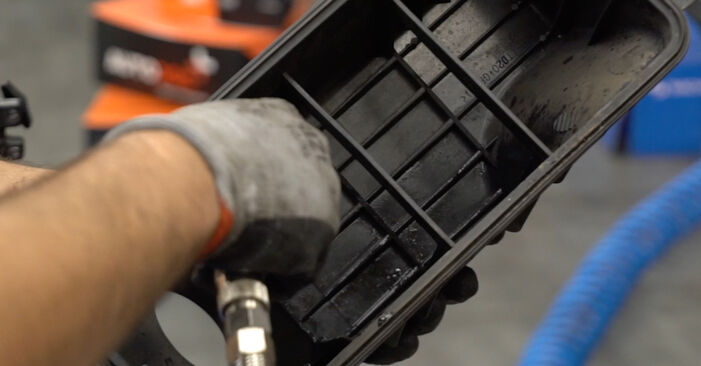
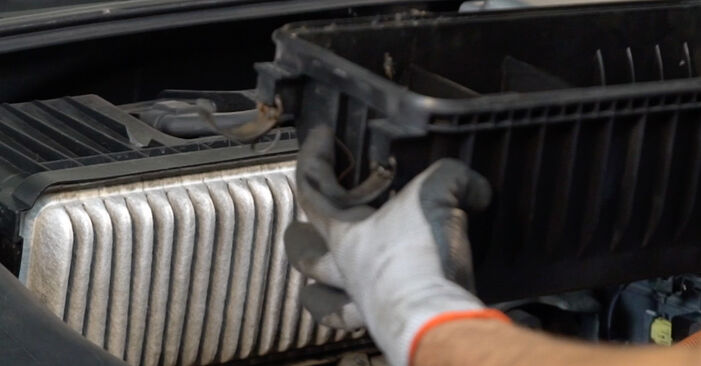 Take off the filter lid.
 - Step 10
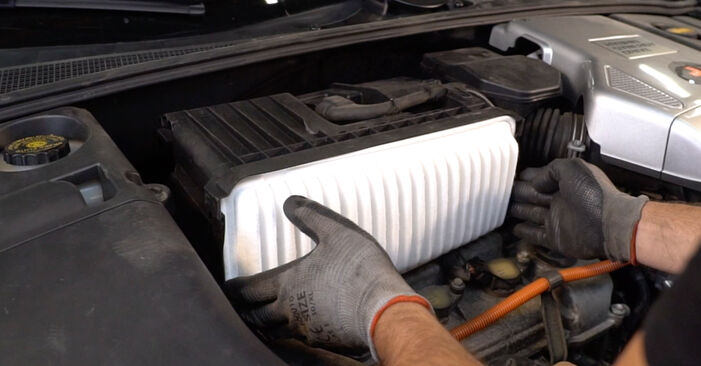
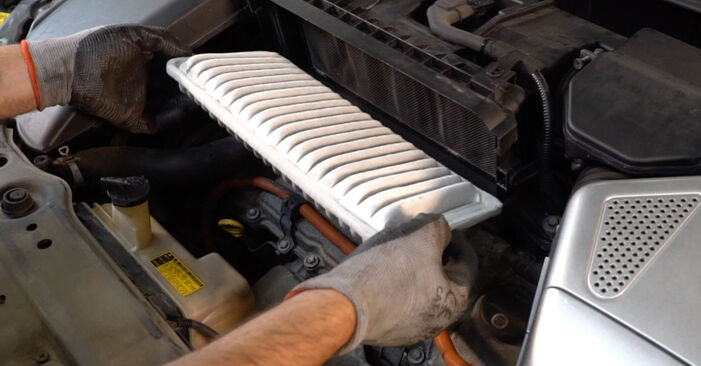 Remove the filter element from the filter housing.
 - Step 11
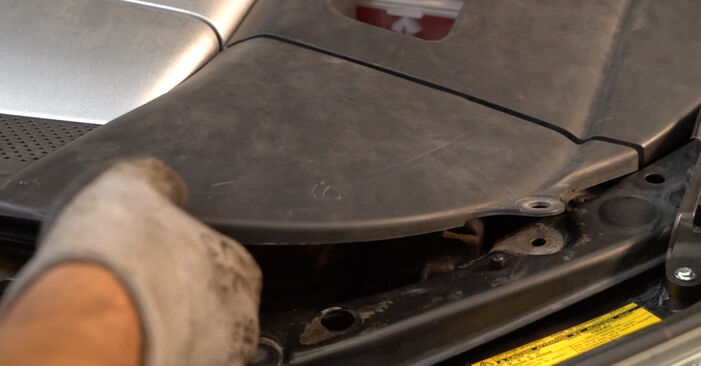 Press down the pop clips of the protective cover. Remove the protective cover. Use a flat screwdriver.
 - Step 12
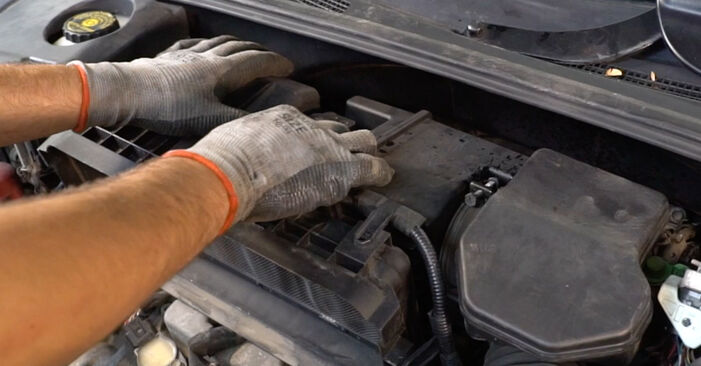
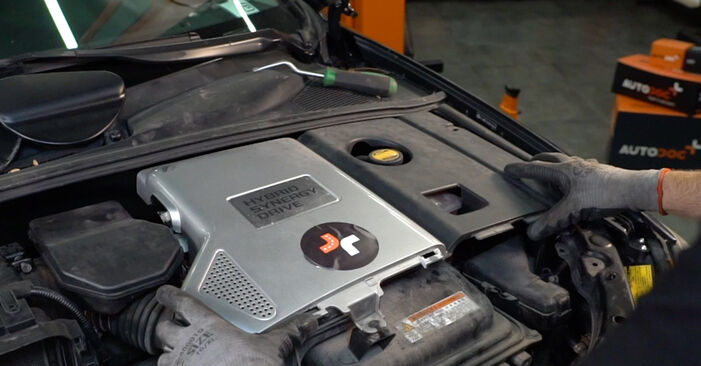
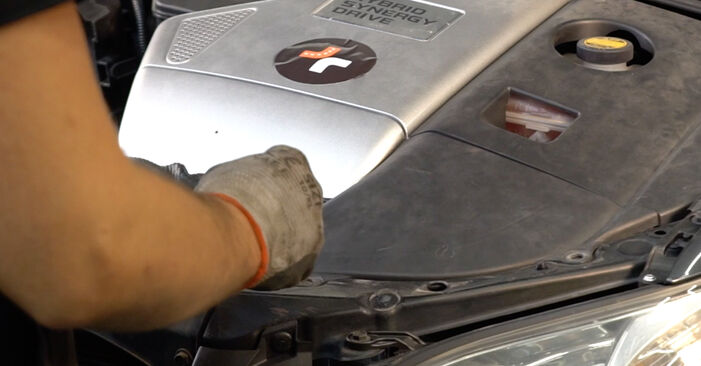
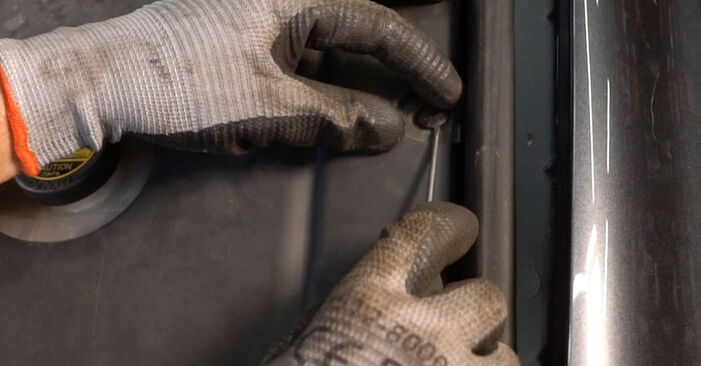 Remove the engine cover clips.
 - Step 13
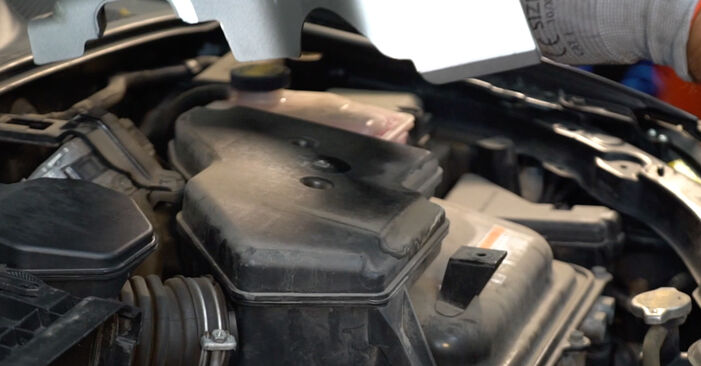 Remove the engine cover.
 - Step 14
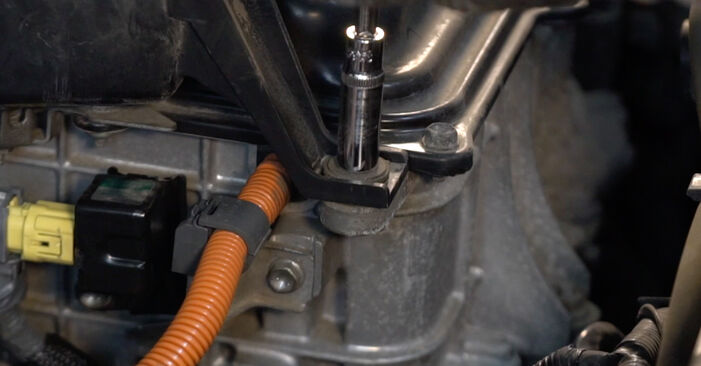 Unscrew the air filter box fasteners. Use a drive socket #10. Use a ratchet wrench.
 - Step 15
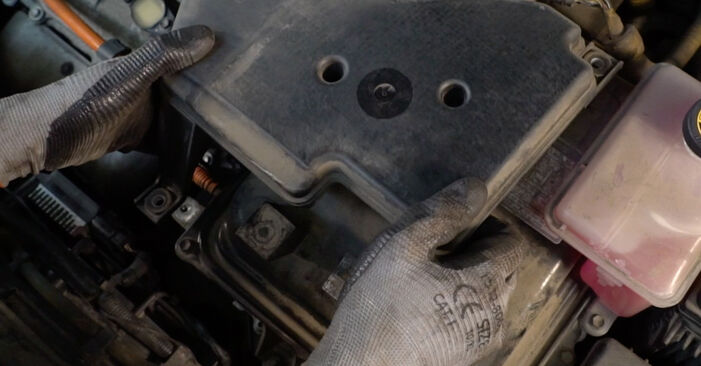 Remove the air filter box.
 - Step 16
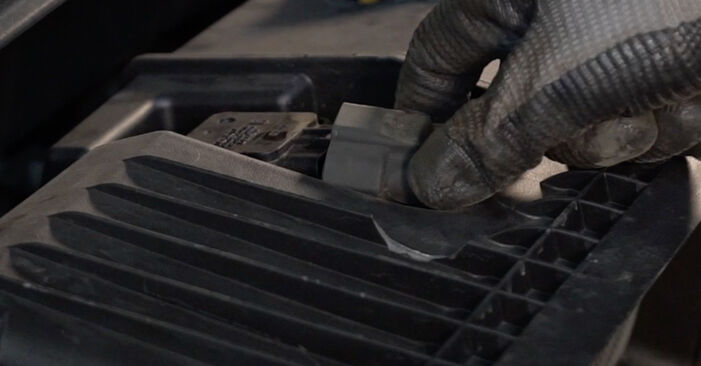 Unplug the mass air flow sensor connector. Use a flat screwdriver.
 - Step 17
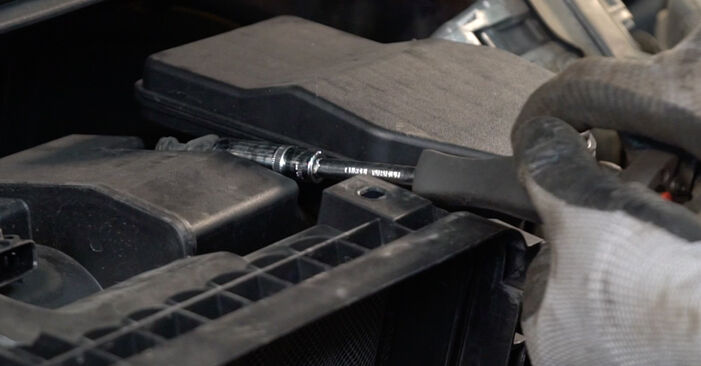 Unscrew the air intake resonator clamp from the air filter housing. Use a drive socket #10. Use a ratchet wrench.
 - Step 18
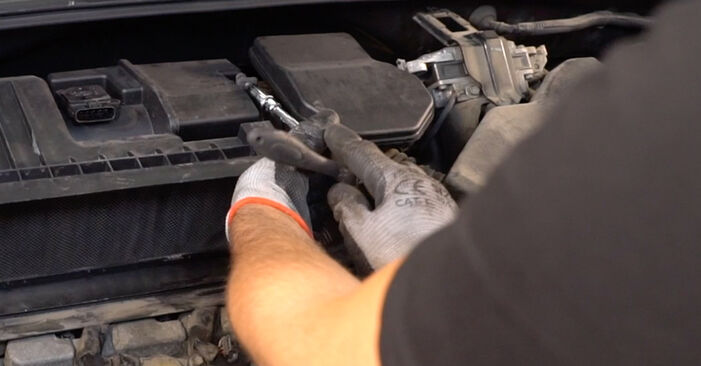 Unscrew the filter housing fastening bolts. Use a drive socket #10. Use a ratchet wrench.
 - Step 19
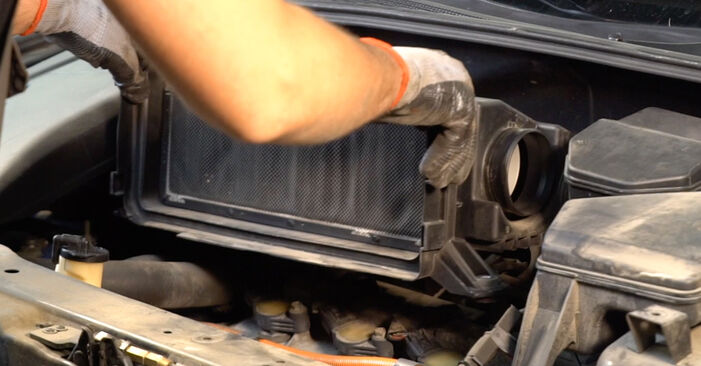 Remove the air filter housing.
 - Step 20
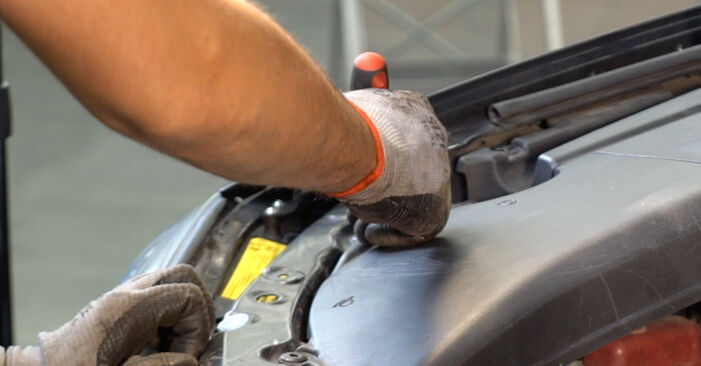 Remove the battery cover clips. Use a flat screwdriver.
 - Step 21
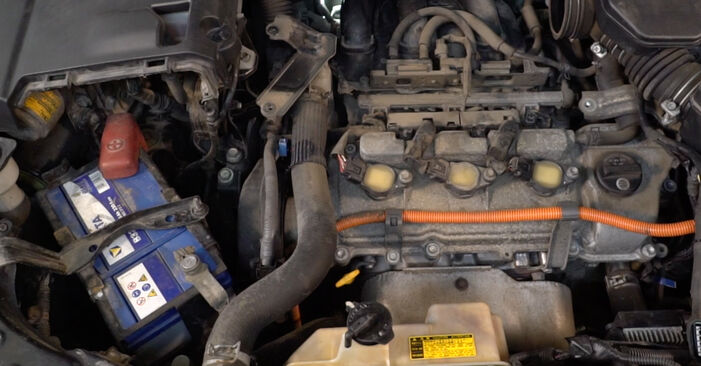 Remove the battery cover.
 - Step 22
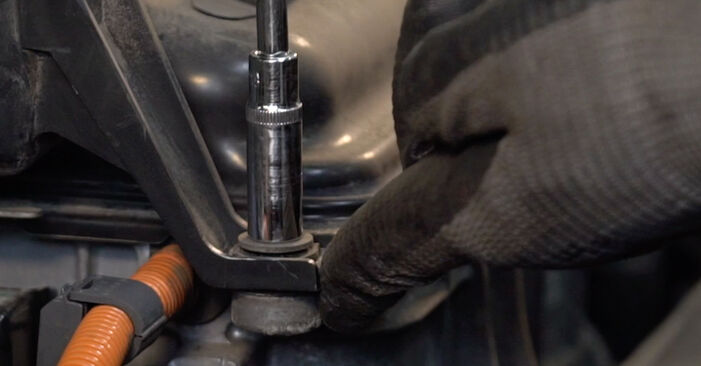
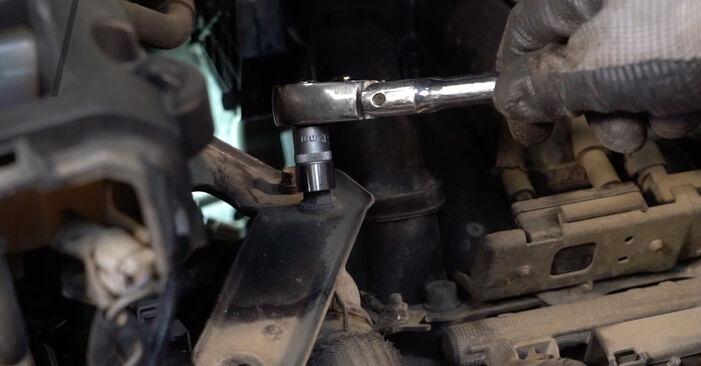 Unscrew the air filter housing bracket. Use a drive socket #12. Use a ratchet wrench.
 - Step 23
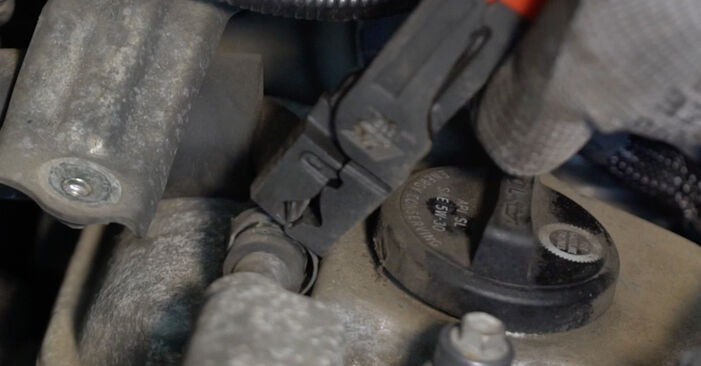 Detach the crankcase ventilation hose clamp. Use clic-R collar pliers.
 - Step 24
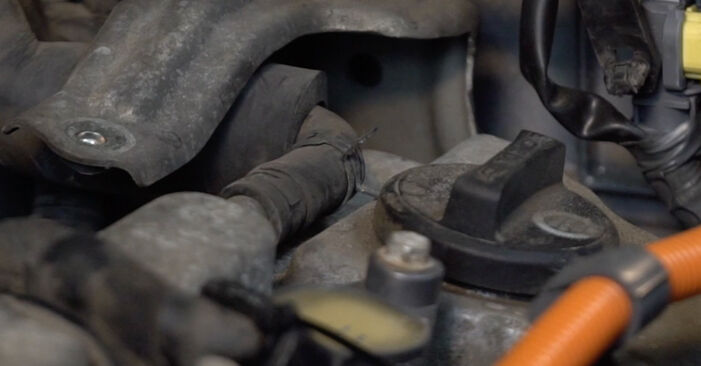
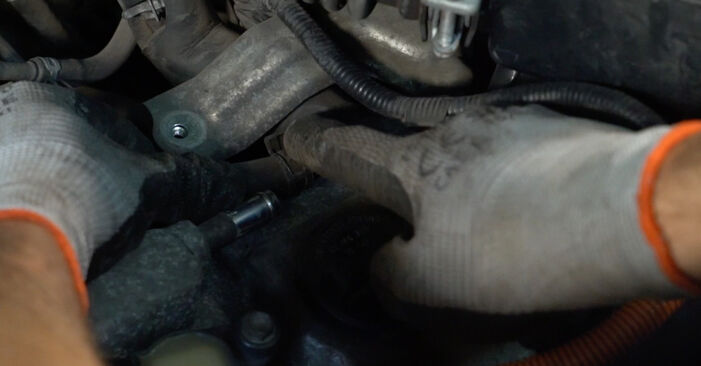 On the right side, detach the PCV valve hose from the engine cover.
 - Step 25
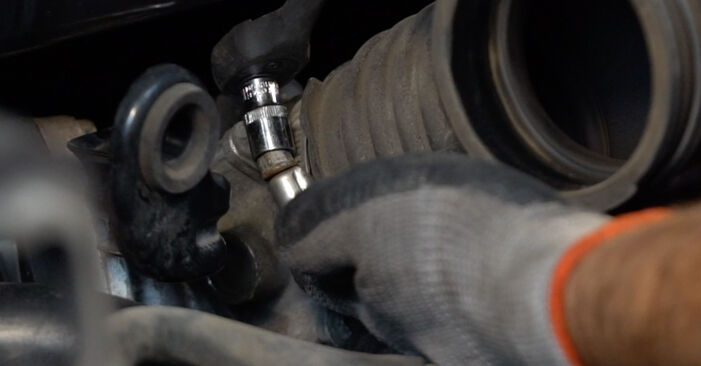
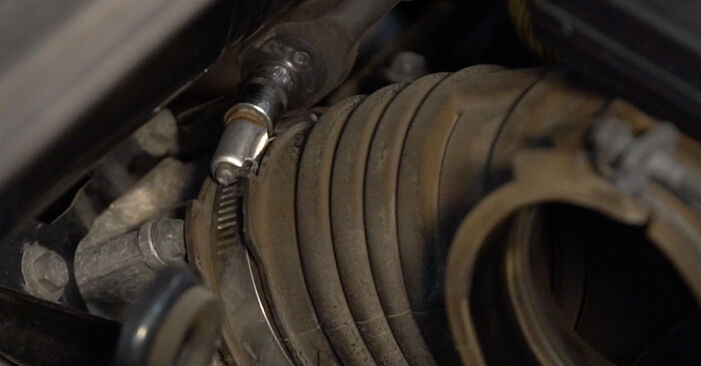 Unscrew the clamp that fastens the air filter hose to the throttle body. Use a drive socket #10. Use a ratchet wrench.
 - Step 26
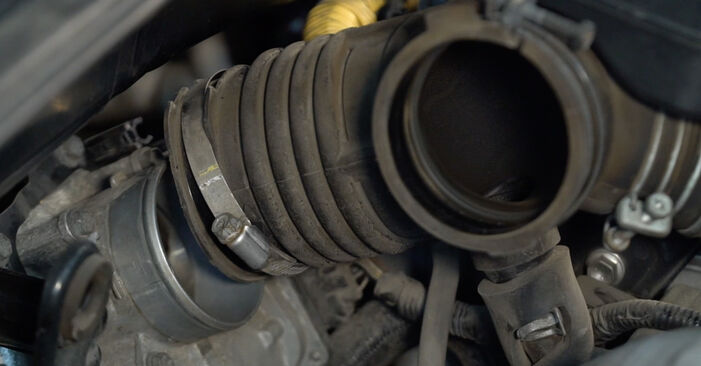 Dismantle the air filter pipe.
 - Step 27
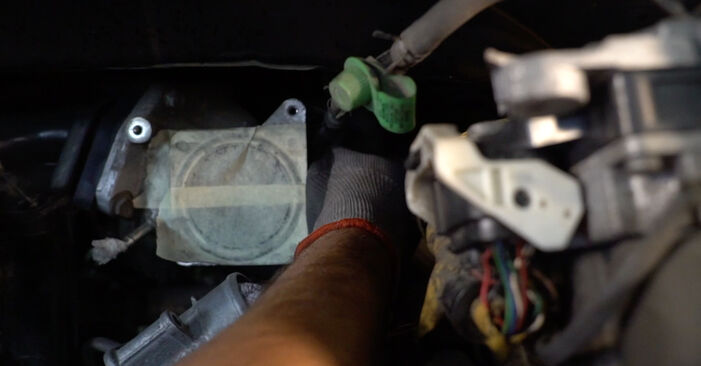
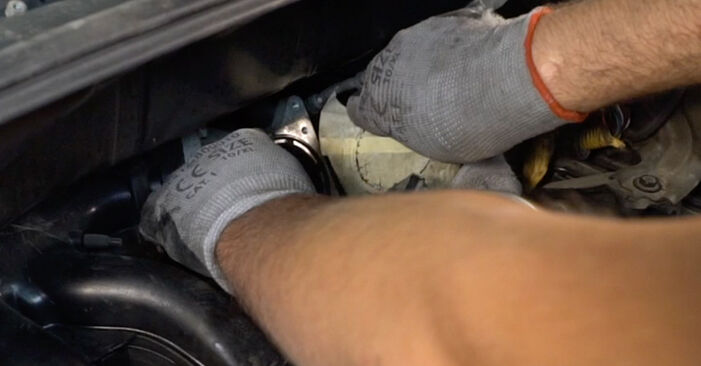
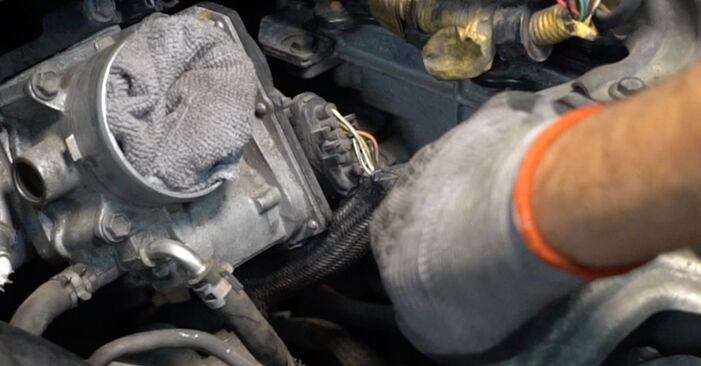
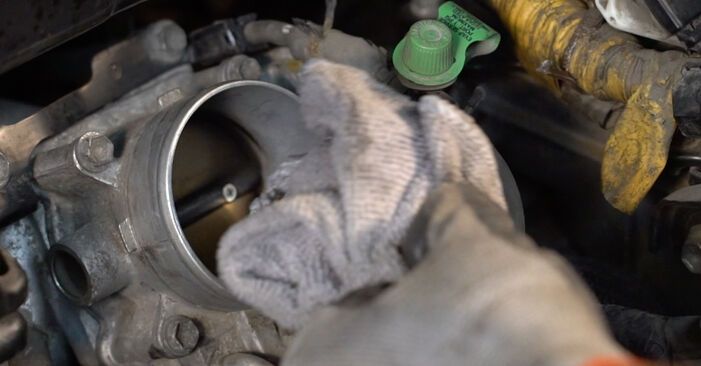
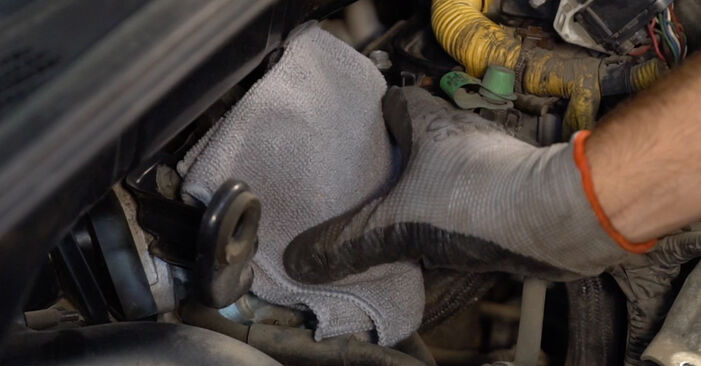 Cover the throttle body with a microfibre towel to prevent dust and dirt from getting into the system.
 - Step 28
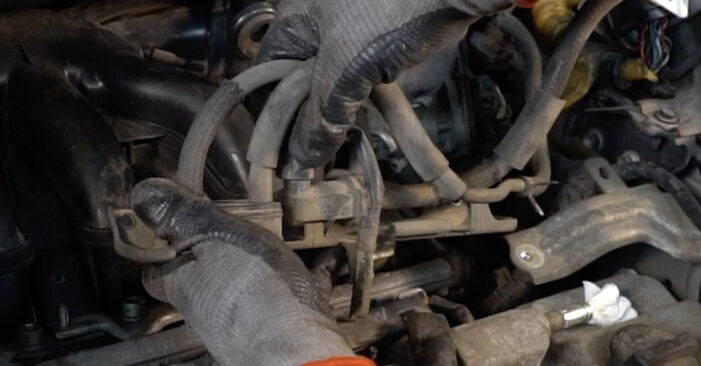
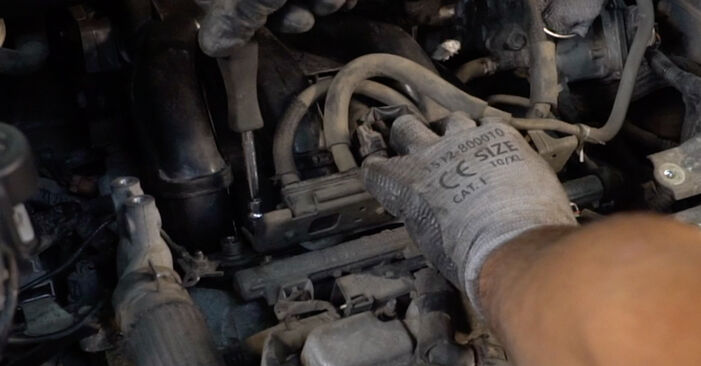
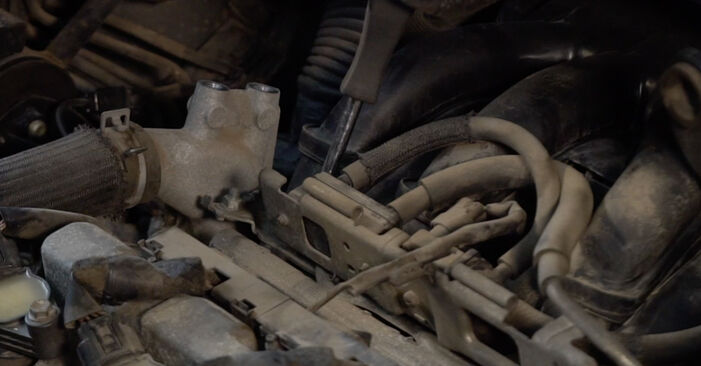 Unscrew the vacuum system bracket. Use a drive socket #12. Use a ratchet wrench.
 - Step 29
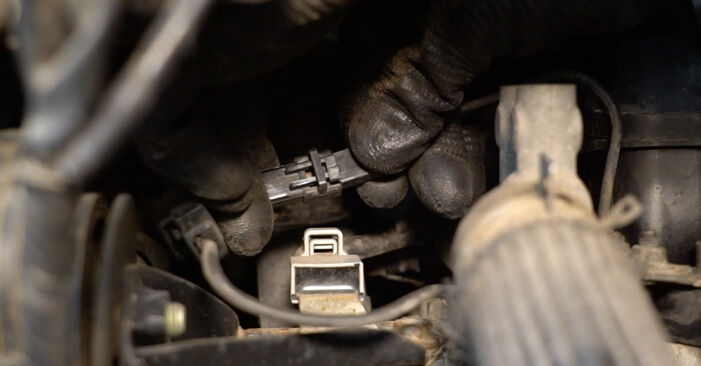
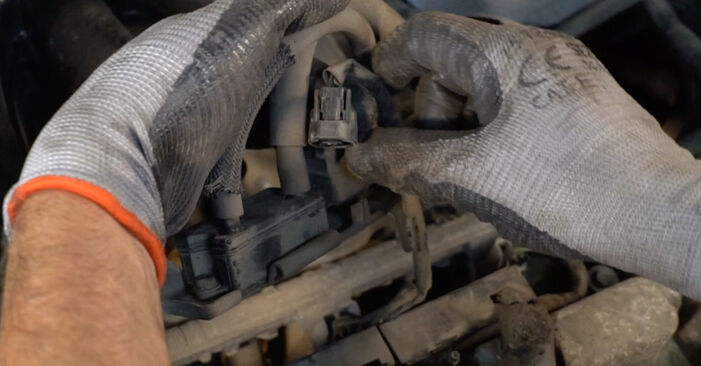 Detach the vacuum sensor connector. Use a flat screwdriver.
 - Step 30
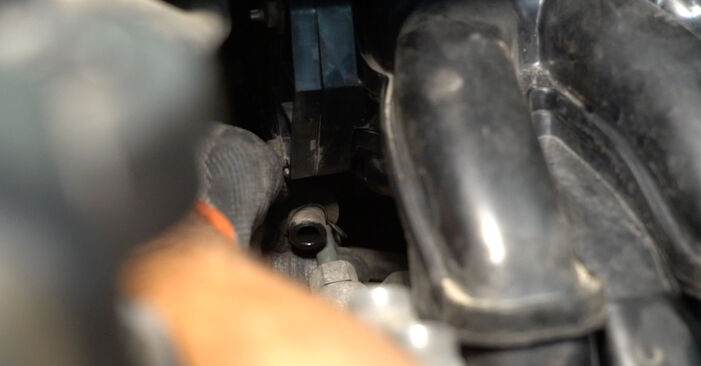
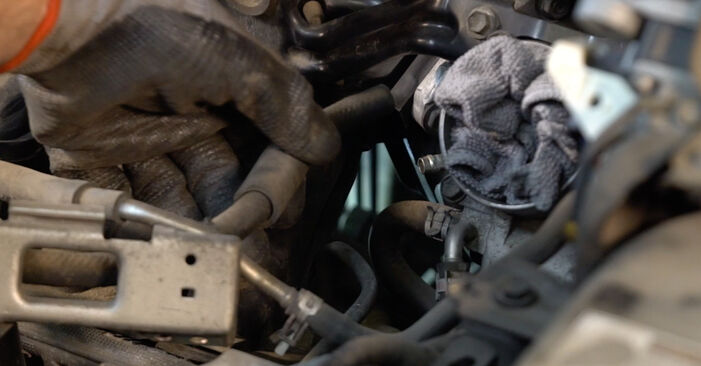 Detach the vacuum sensor hose.
 - Step 31
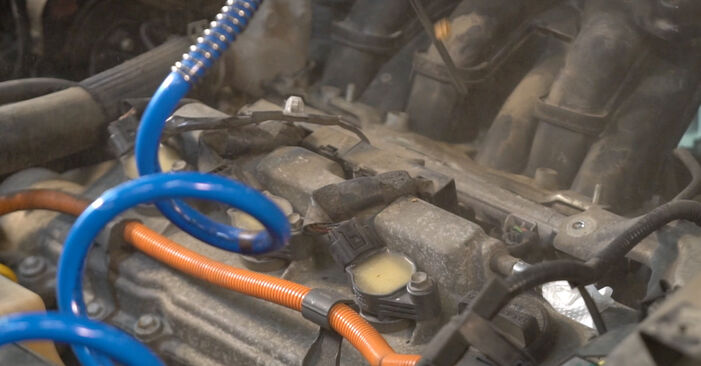 Clean the intake manifold fasteners. Use all-purpose cleaning spray.
 - Step 32
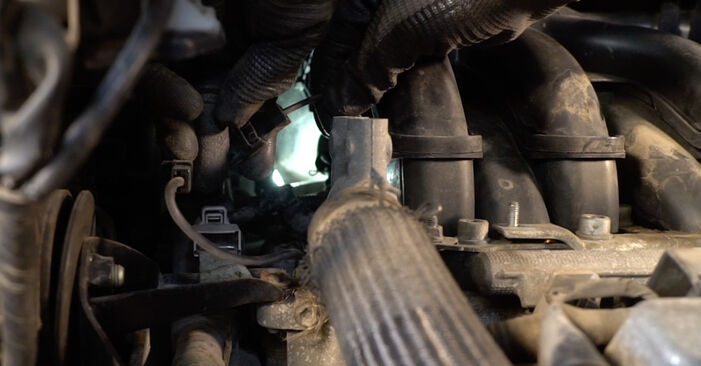 Detach the ground wire connector.
 - Step 33
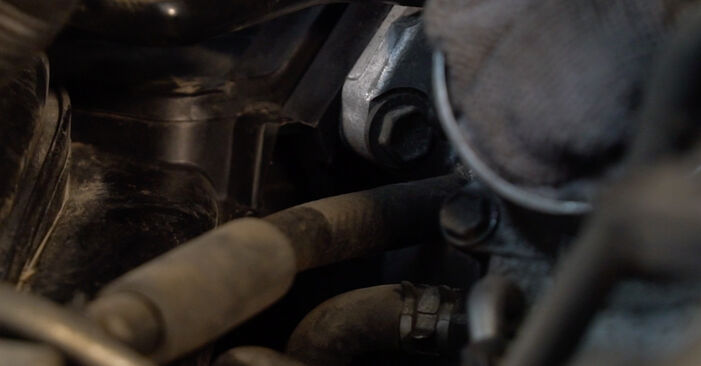
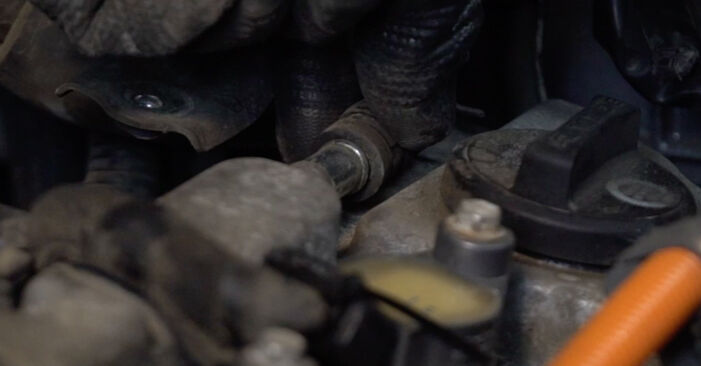
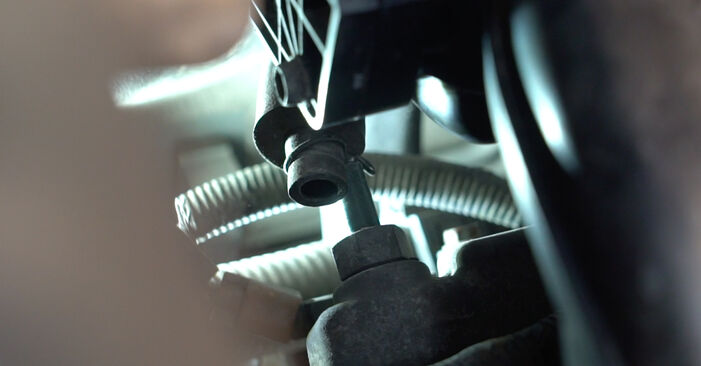 Detach the crankcase ventilation hose clamp.
 - Step 34Detach the crankcase ventilation hose from the engine cover at the left.Step 35
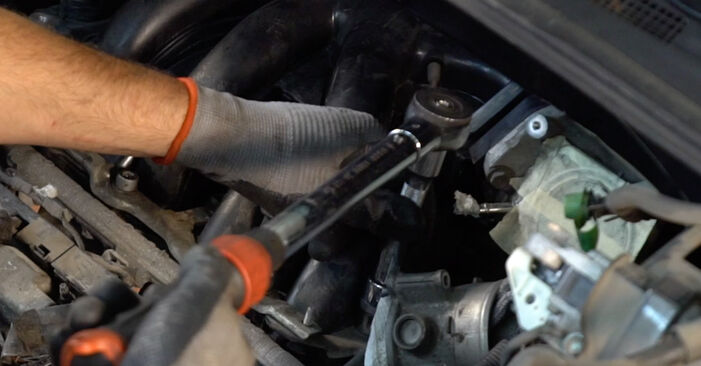
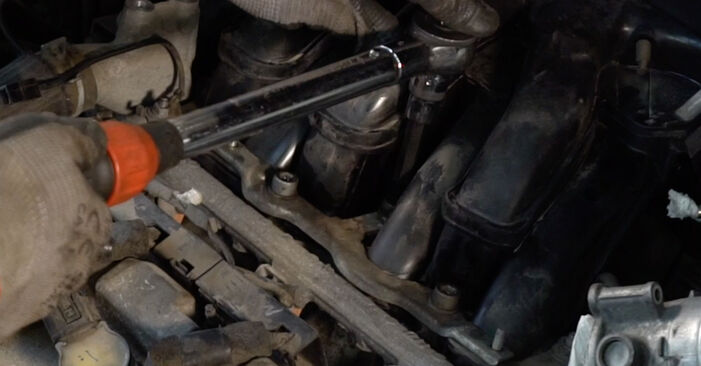
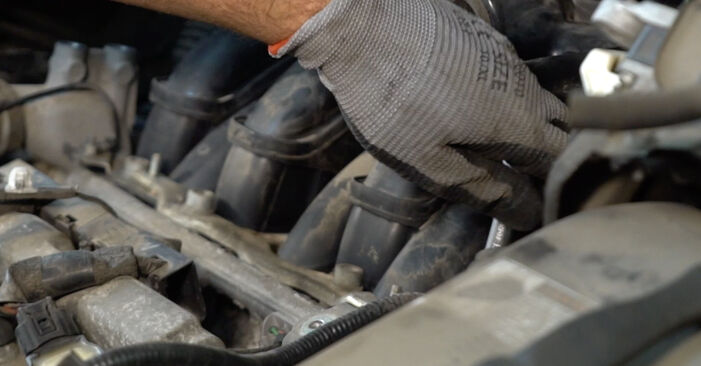 Unscrew the intake manifold fasteners. Use a drive socket #14. Use a ratchet wrench.
 - Step 36
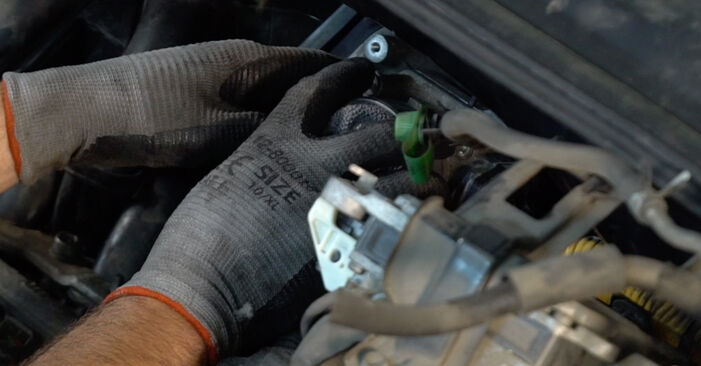
 Detach the throttle valve connectors.
 - Step 37
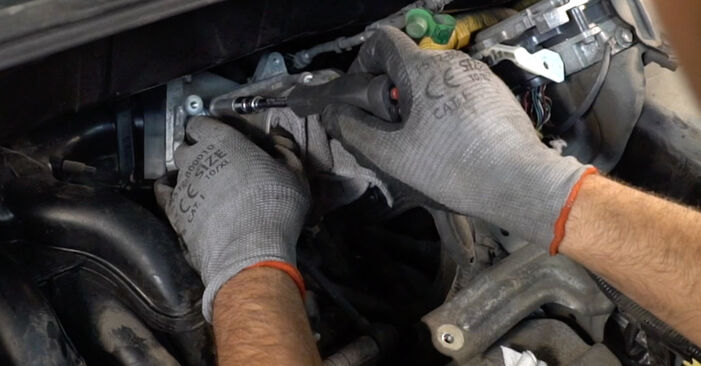
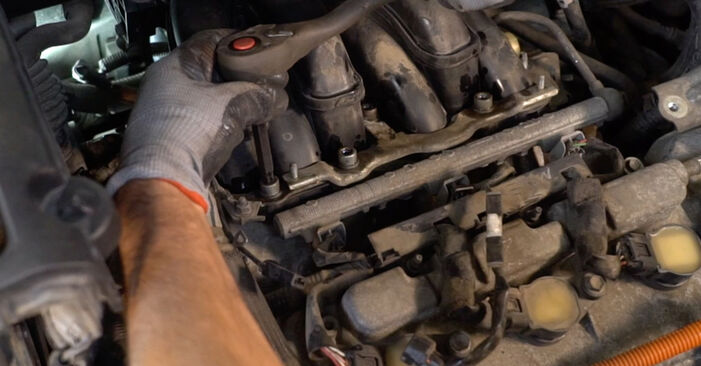 Unscrew the intake manifold fasteners. Use HEX No.H8. Use a ratchet wrench.
 - Step 38
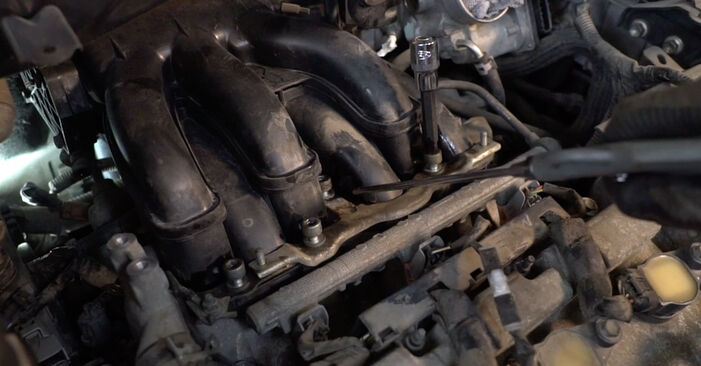 Clean the intake manifold fasteners.
 - Step 39
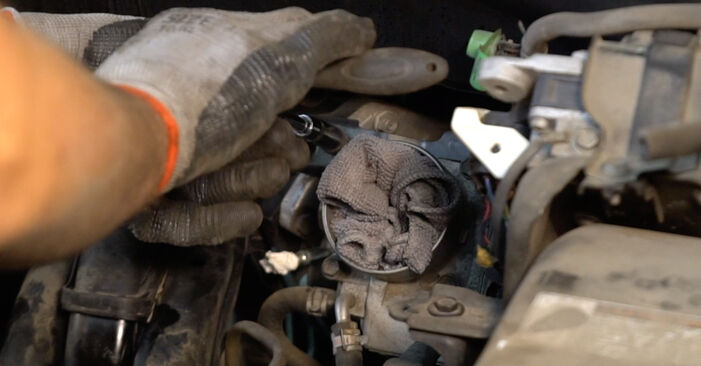 Unscrew the fasteners connecting the throttle valve to the intake manifold. Use a drive socket #12. Use a ratchet wrench.
 - Step 40
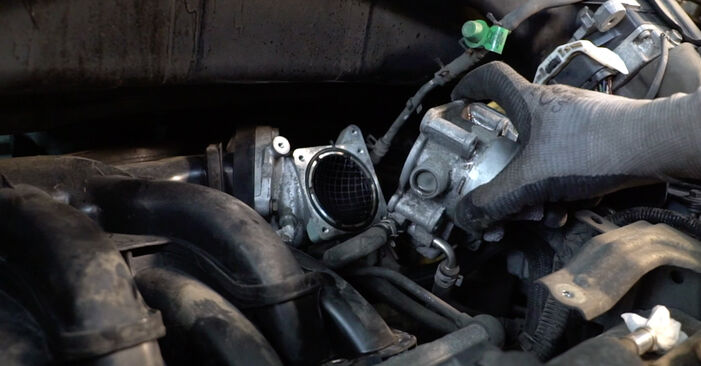 Detach the throttle body from the intake manifold.
 - Step 41
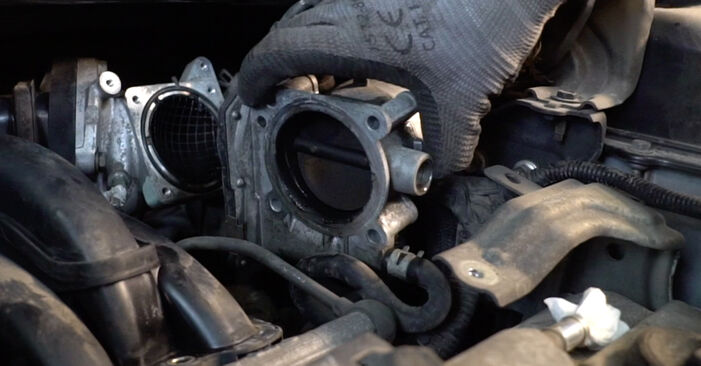 Clean the throttle body fasteners. Use all-purpose cleaning spray.
 - Step 42
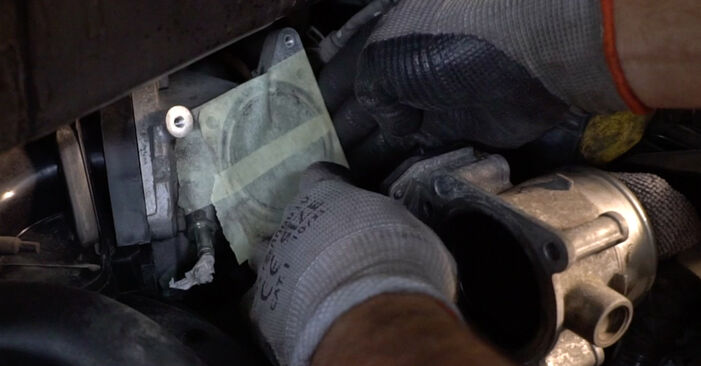 Cover the intake manifold passages with a microfibre towel to prevent dust and dirt from getting inside.
 - Step 43
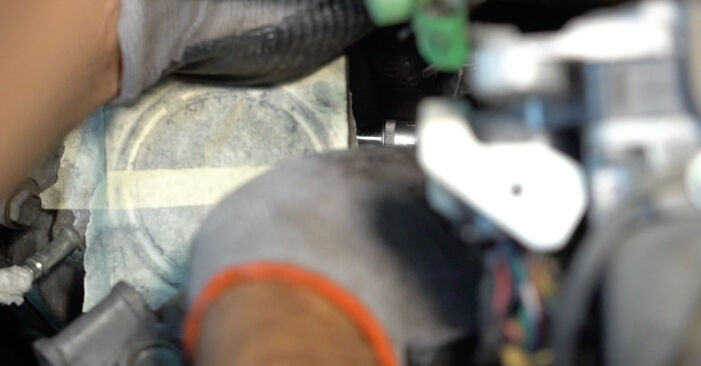 Unscrew the intake manifold fasteners. Use a drive socket #12. Use a ratchet wrench.
 - Step 44
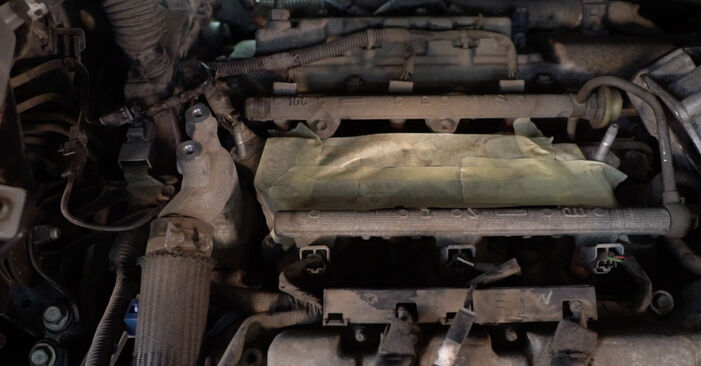 Remove the intake manifold.
 - Step 45
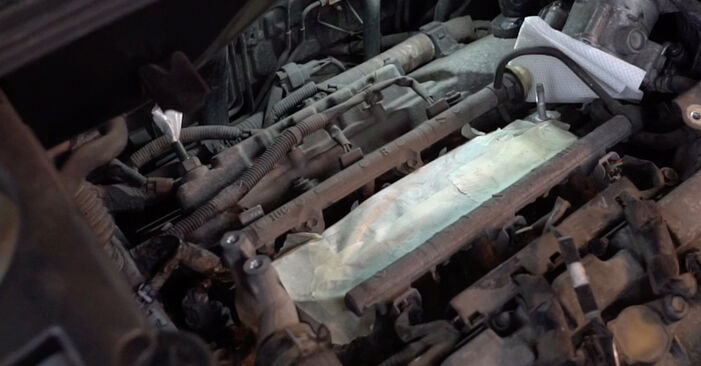 Cover the intake channels of the engine with a microfibre cloth to prevent dust and dirt from getting inside.
 - Step 46
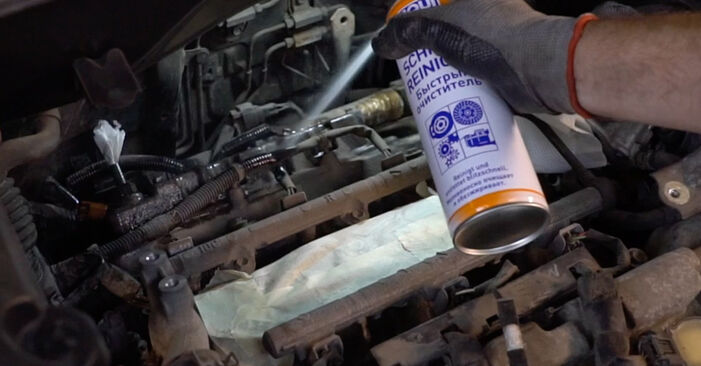 Clean the ignition coils. Use all-purpose cleaning spray.
 - Step 47
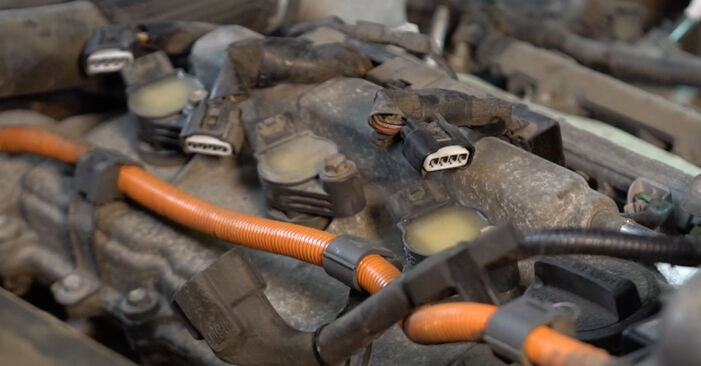 Unplug the connectors from the ignition coils. Use a flat screwdriver.
 - Step 48
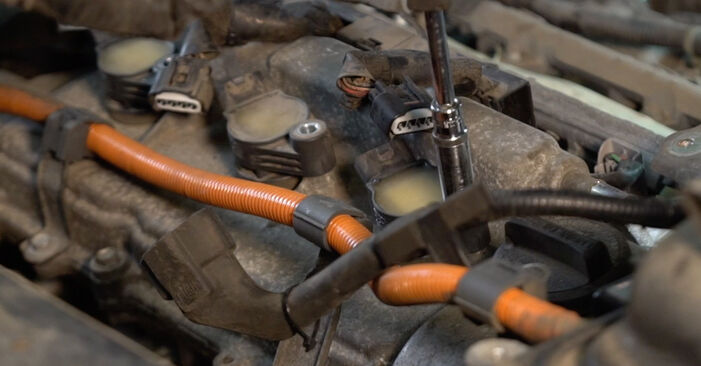 Unscrew the fasteners of the ignition coils. Use a drive socket #10. Use a ratchet wrench.
 - Step 49
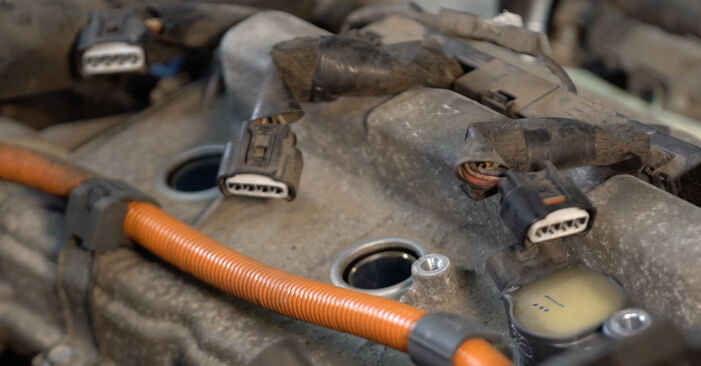 Take out the ignition coils from the spark plug wells.Replacement: spark plugs – LEXUS GS (UZS161, JZS160). Tip:Remember the sequence of steps for ignition coil demounting.
 - Step 50
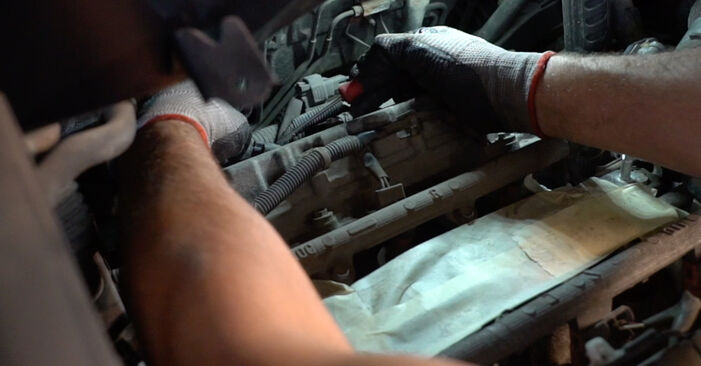 Unplug the connectors from the ignition coils. Use a flat screwdriver.
 - Step 51
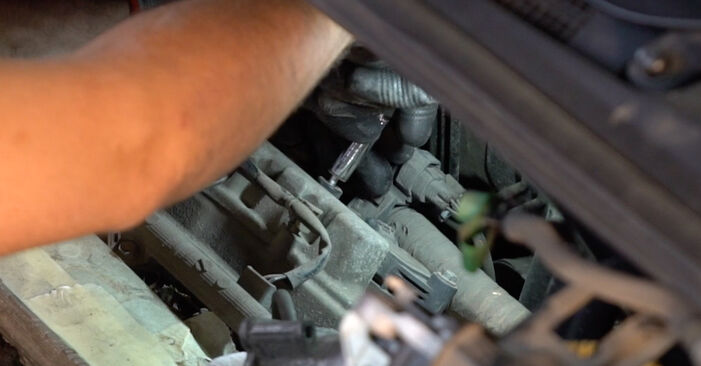 Unscrew the fasteners of the ignition coils. Use a drive socket #10. Use a ratchet wrench.
 - Step 52
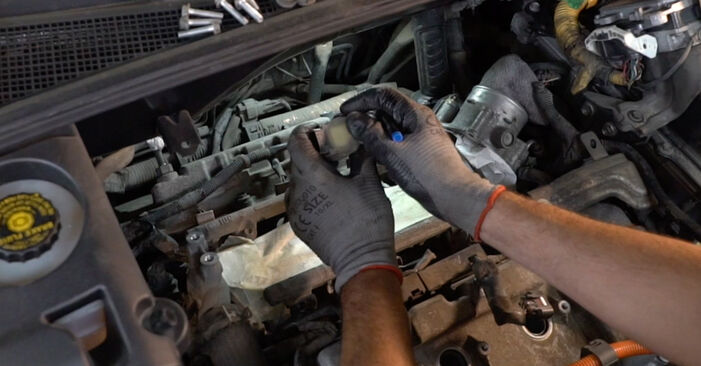 Take out the ignition coils from the spark plug wells.Replacement: spark plugs – LEXUS GS (UZS161, JZS160). AUTODOC recommends:Remember the sequence of steps for ignition coil demounting.
 - Step 53
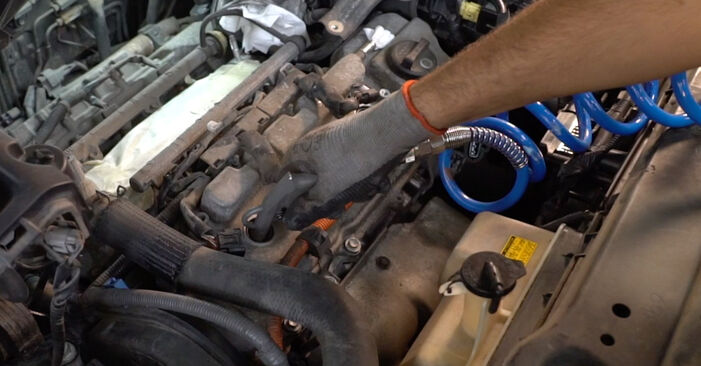 Clean dirt, dust and debris from inside the spark plug wells.
 - Step 54
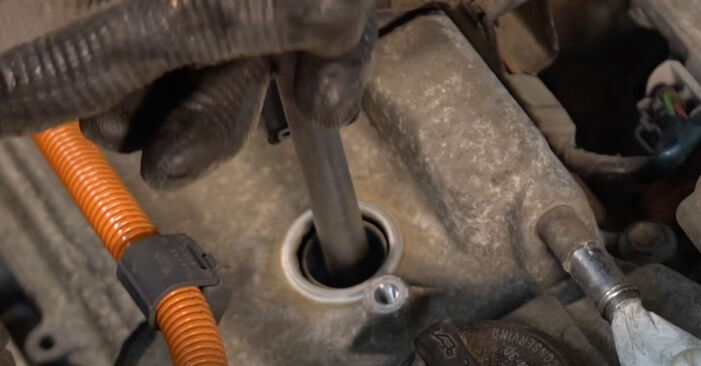 Unscrew the spark plugs. Use the spark plug socket #16. Use a ratchet wrench.
 - Step 55
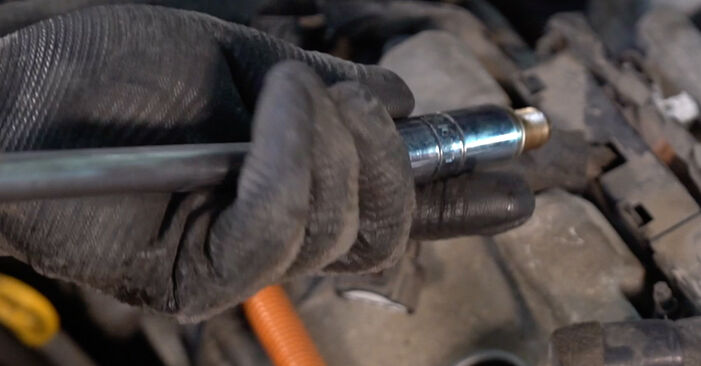 Take out the spark plugs.
 - Step 56
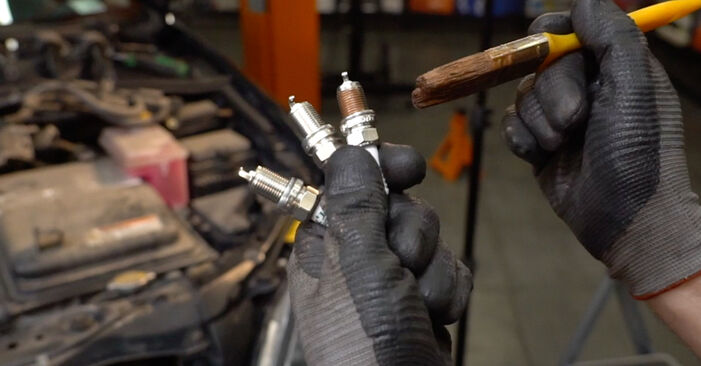 Apply a thin layer of a special high temperature anti-seize lubricant to the threads of the new spark plugs.
 - Step 57
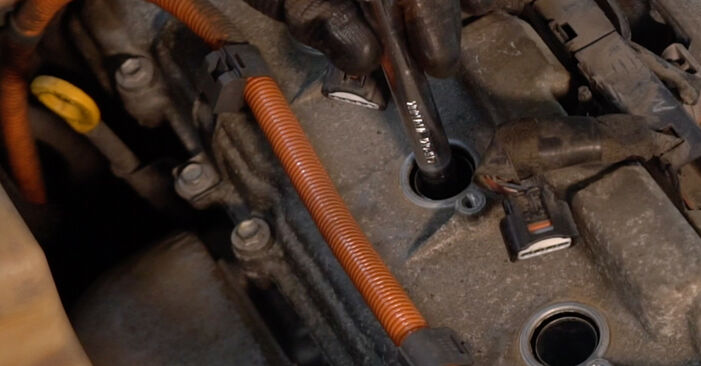 Install the new spark plugs into their mounting seats. Use the spark plug socket #16. Use a ratchet wrench.
 - Step 58
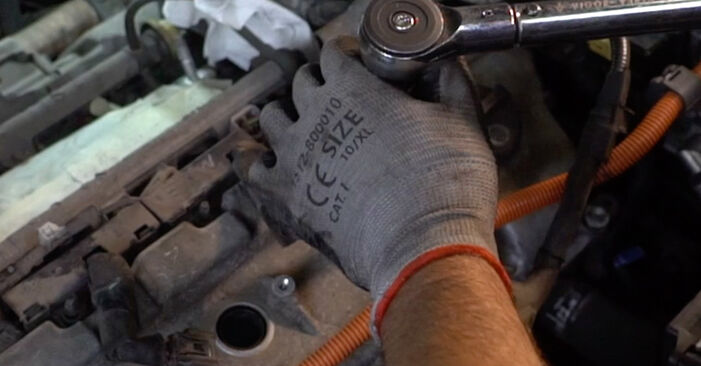 Screw new spark plugs and tighten them. Use the spark plug socket #16. Use a torque wrench. Tighten it to 26 nm torque.Replacement: spark plugs – LEXUS GS (UZS161, JZS160). Professionals recommend:Don't tighten the plugs with excessive force. Exceeding tightening torque can damage the thread connection. Be careful when working with a spark plug wrench. Its skewing can cause damage to the threaded connection.
 - Step 59
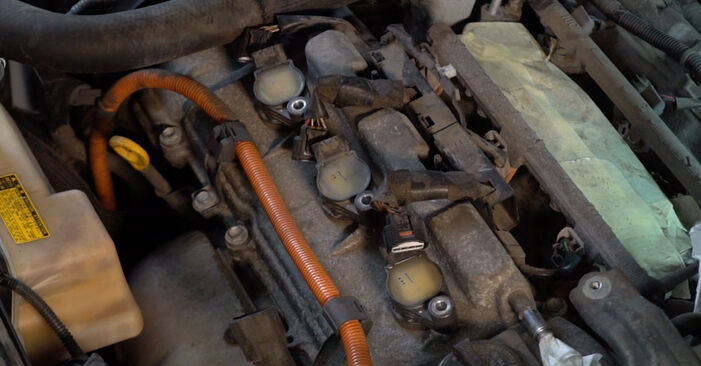 Install the ignition coils to the spark plug wells. Make sure you hear a click indicating that it is locked in place.Replacement: spark plugs – LEXUS GS (UZS161, JZS160). Tip from AUTODOC experts:Follow the installation sequence.
 - Step 60
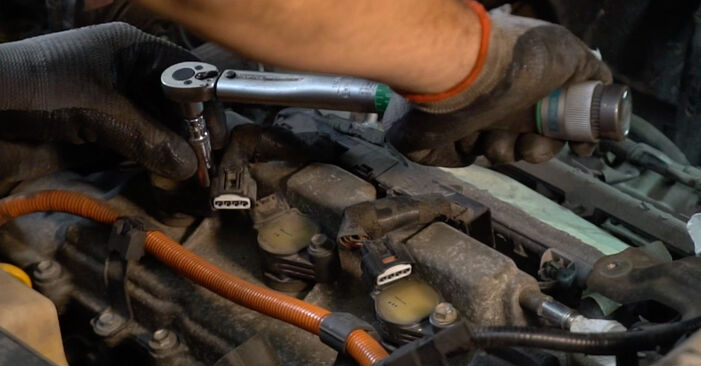 Tighten the ignition coil fastening. Use a drive socket #10. Use a torque wrench. Tighten it to 8 nm torque.
 - Step 61
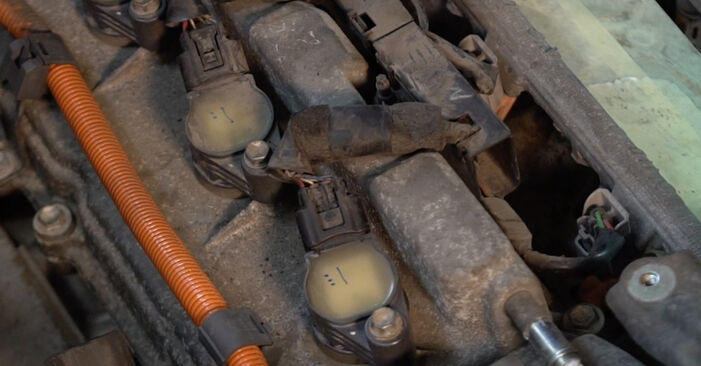 Plug in the connectors of the ignition coils.
 - Step 62Clean the intake manifold mounting seats. Use all-purpose cleaning spray.Step 63
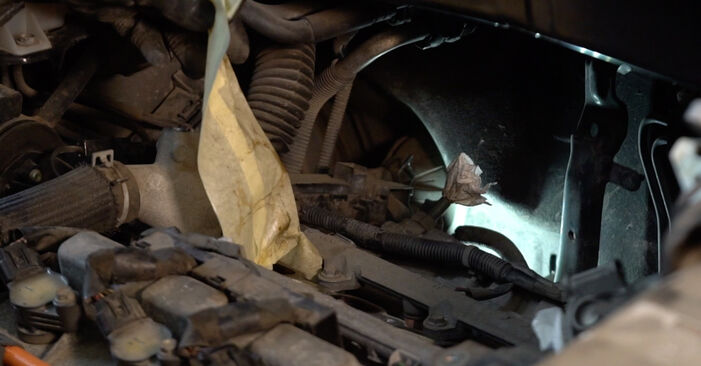 Remove the microfibre cloth from the engine intake channels.
 - Step 64
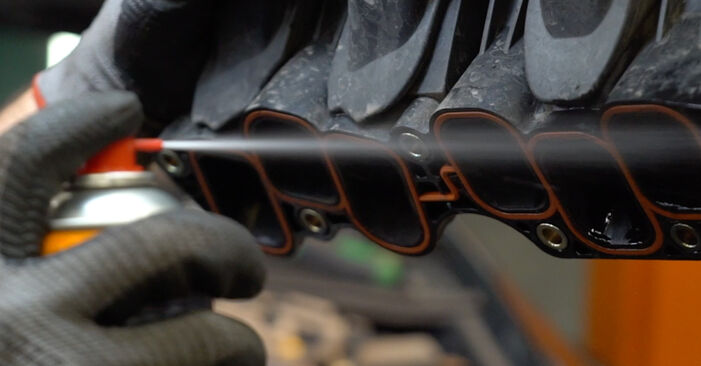 Clean the intake manifold. Use all-purpose cleaning spray.
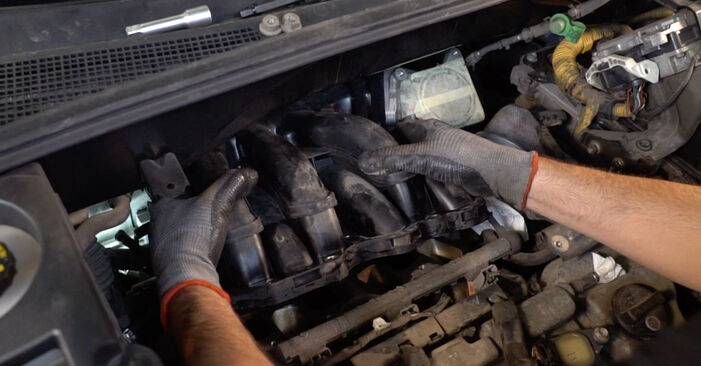
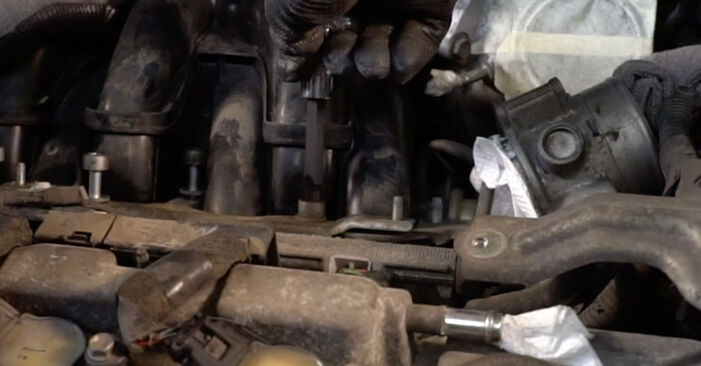
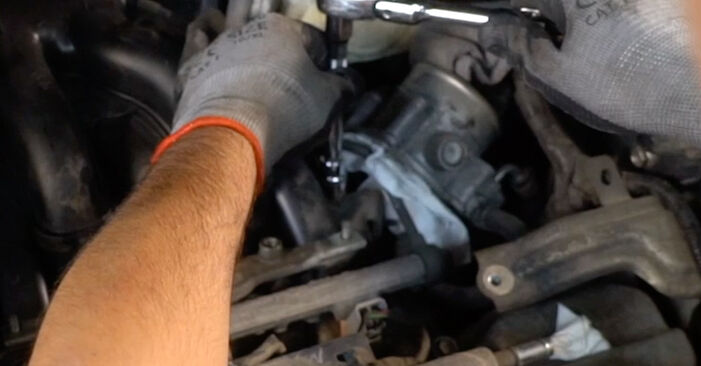
Was this manual helpful?
Please rate this manual on a scale from 1 to 5. If you have any questions, feel free to ask us.
Users voted – 1
Need New Tyres?
Find out which tyre and wheel sizes are compatible with the LEXUS GS II (S16) model


Popular maintenance tutorials for Lexus GS 2
 Free download PDF
 1.63 MB
 Free download PDF2.1 MB
 Free download PDF5.41 MB
 Free download PDF2.48 MB
 Free download PDF1.64 MB
 Free download PDF1.95 MB
Complete guides for changing the Engine spark plug on different LEXUS GS models
 Free download PDF1.74 MB
- Free download PDF5.41 MB
 Free download PDF5.43 MB
 Free download PDF5.43 MB
 Free download PDF5.43 MB
 Free download PDF5.43 MB

Unlock your car maintenance assistant!
Track expenses, manage logs, schedule replacements, and more.

Tips & tricks for your LEXUS GS (UZS161, JZS160)
View more
 Coolant comparison test | AUTODOC
 Top 5 mistakes when replacing spark plugs | AUTODOC tips
 DIY starter repair | AUTODOC tips
 #DIY Tips for Fixing Your Car's Air Conditioning Issues | Don't Wait for Costly Repairs!
Most commonly replaced car parts on LEXUS GS









Time to replace parts? Get even better deals in our Shop app.

SCAN ME